
If you ingest large amounts of ink, especially industrial or unregulated types, you risk serious poisoning. This can cause organ damage, seizures, and breathing trouble.
Contaminated tattoo inks may lead to infections or severe allergic reactions.
While ink on your skin usually only causes temporary staining, consuming significant quantities or getting ink in wounds can be dangerous.
Knowing how to recognize symptoms and when to seek emergency help is vital to protect your health and safety.
What Is Ink Poisoning?
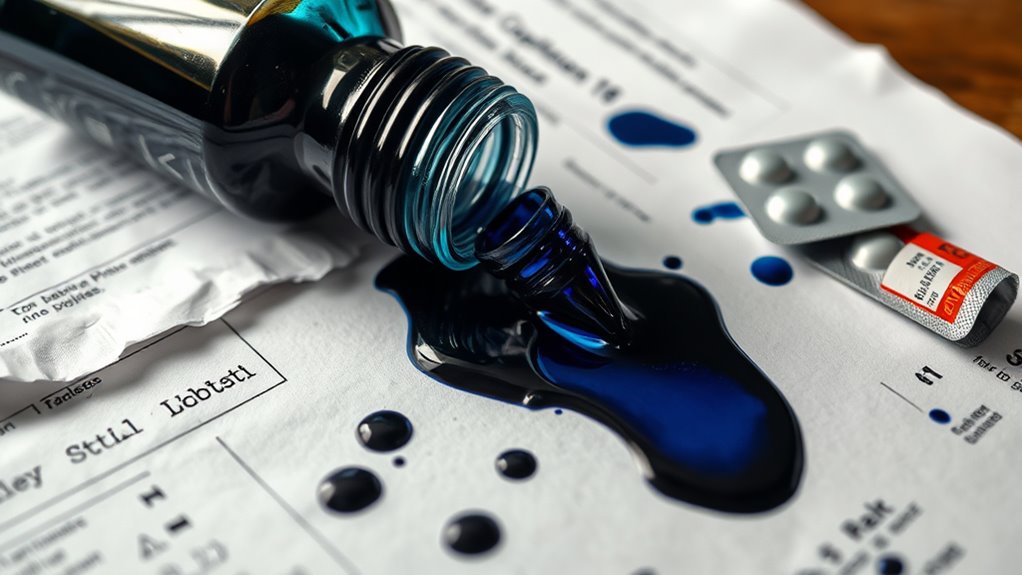
What happens when ink enters your body in harmful amounts? Ink poisoning occurs when toxic chemicals in certain inks get into your system, either through ingestion or skin exposure.
While typical writing inks contain small amounts of dyes, solvents, and resins that have low toxicity when used properly, swallowing or absorbing larger quantities, especially from printer cartridges or industrial inks, can lead to serious risks.
Typical inks are low in toxicity, but ingesting or absorbing large amounts, especially industrial types, poses serious risks.
You might notice symptoms like nausea, vomiting, abdominal pain, or skin irritation. Skin staining is common but usually harmless unless accompanied by irritation.
The severity of symptoms depends on how much ink you’re exposed to and the type of ink involved. Most everyday ink exposures are mild and rare, but you should remain cautious, as ink poisoning can escalate quickly if toxic substances enter your body in larger amounts.
Recognizing these symptoms early helps you seek timely medical attention and avoid complications from toxicity.
Ink Types That Pose the Highest Risks
Because some inks contain more harmful chemicals than others, you should be especially cautious with certain types. Industrial inks top the list, as they often have high solvent content and toxic ingredients that increase poisoning risk and can cause chemical burns.
Tattoo inks also carry dangers due to unregulated pigment chemicals that may trigger severe reactions if ingested or absorbed through the skin. Printer cartridge and stamp pad inks pose risks primarily because of the larger quantities you might accidentally swallow, containing hazardous solvents and dyes.
Finally, art-grade inks with unapproved pigments or solvents can be unexpectedly toxic and cause serious harm if mishandled.
Here are four ink types to watch out for:
- Industrial inks with high solvent content
- Tattoo inks containing unregulated pigment chemicals
- Printer and stamp pad inks with toxic ingredients
- Art-grade inks using hazardous dyes
Being aware of these types helps you minimize ingestion risk and avoid dangerous exposure.
How Much Ink Causes Serious Symptoms?
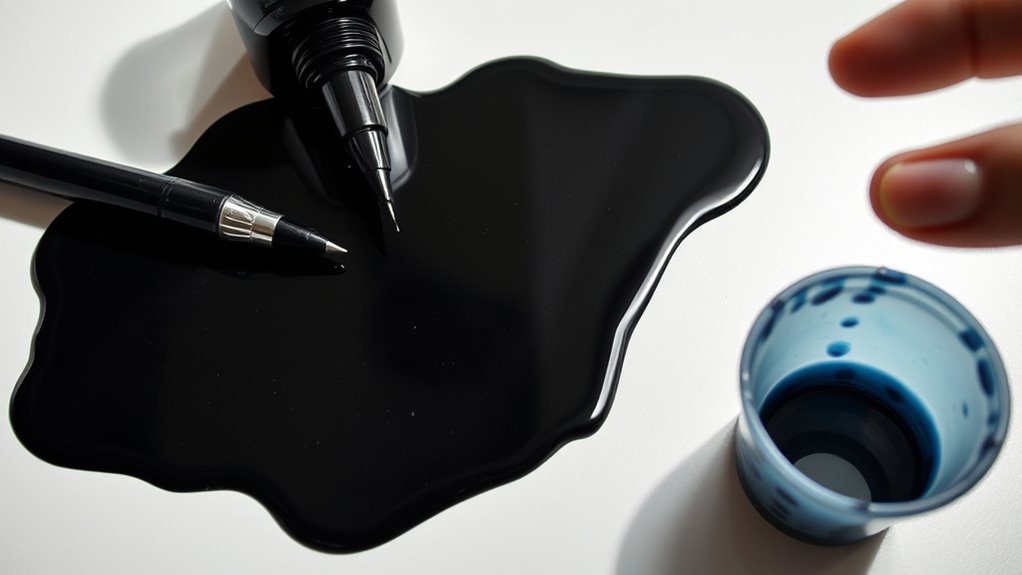
Although small ink amounts found in pens usually won’t harm you, ingesting over 30 mL (about one ounce) can lead to serious poisoning symptoms. Ink ingestion in these larger quantities increases the risk of toxic symptoms and serious effects.
Most everyday inks contain minimal toxic substances, so small accidental exposures rarely cause harm. However, swallowing large quantities, like multiple ink cartridges or bottles, raises the chance of severe ink poisoning.
The toxic symptoms typically correlate with the volume ingested; the more ink you swallow, the greater the risk. Industrial and art inks, which often have stronger chemical components, pose higher dangers when ingested in significant amounts.
If you or someone else consumes a large quantity of ink, prompt medical attention is essential to manage potential serious effects. Understanding how much ink causes serious symptoms helps you assess risk and respond appropriately to incidents of ink ingestion.
Common and Serious Symptoms of Ink Poisoning
You might notice mild symptoms like nausea, vomiting, or stomach pain if you’ve been exposed to ink. But if you start having more serious signs—like trouble breathing, seizures, or a high fever—it’s really important to get medical help right away. Being able to tell the difference between common and serious symptoms can help keep you safe.
Mild Ink Poisoning Signs
When you come into contact with small amounts of common writing ink, you might notice temporary skin or tongue staining that doesn’t cause lasting harm. Mild ink poisoning signs often include minor symptoms that resolve quickly without treatment.
You may experience mild irritation or stomach upset, but serious effects are rare. Here are some common mild ink poisoning symptoms to watch for:
- Temporary skin or tongue staining without lasting damage
- Mild stomach upset, like nausea or discomfort
- Minor irritation or dermatitis on the skin
- Occasional mild eye or mouth irritation
These signs usually don’t require medical attention. But if symptoms persist or worsen, it’s a good idea to seek professional advice.
Understanding these mild symptoms helps you respond appropriately without unnecessary alarm.
Severe Symptoms To Watch
If you experience severe symptoms after ink exposure, it’s crucial to recognize them quickly, as they may signal life-threatening conditions. Look out for difficulty breathing or signs of an allergic reaction, such as swelling of your face, throat, or tongue, which can block your airways.
Seizures or loss of consciousness are critical warning signs that demand immediate medical help. Ingesting large amounts of industrial or unregulated ink can cause internal organ damage, affecting your liver or kidneys.
Furthermore, symptoms like high fever, chills, severe abdominal pain, or vomiting blood indicate serious complications. Don’t ignore persistent or worsening signs. Seek emergency care right away to prevent fatal outcomes from severe ink poisoning.
Why Ink on Skin Usually Isn’t Harmful
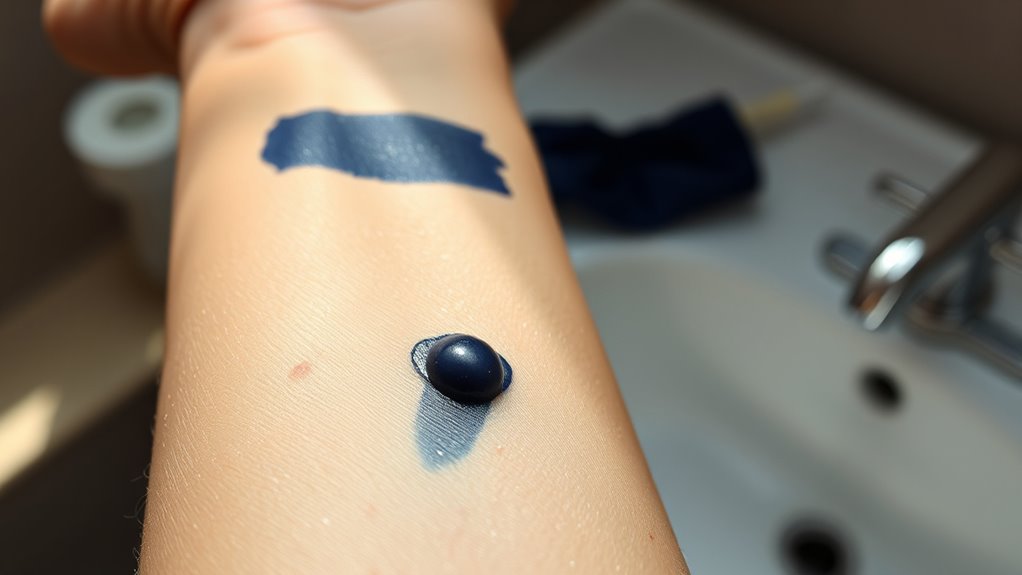
Although ink stains on your skin might look concerning, they rarely pose any real health risk. The ink you encounter from pens or markers is typically non-toxic and designed for incidental skin contact. When ink touches your skin, it mostly causes temporary staining rather than any poisoning or systemic health issues. Your body absorbs only tiny amounts, if any, making harmful effects from skin exposure highly unlikely.
Here’s why ink on skin usually isn’t harmful:
- Ink formulations are generally safe and non-toxic for skin contact.
- The small quantity of ink on your skin doesn’t get absorbed into your bloodstream in dangerous amounts.
- Staining fades naturally over time without causing long-term skin damage.
- Serious health concerns are rare unless there’s an allergic reaction or exposure to hazardous chemicals.
First Aid for Ink in Eyes and Open Wounds
Since ink can cause irritation or infection when it gets into your eyes or open wounds, you should act quickly to minimize harm. If you get ink in your eye, immediately rinse with cool, clean water for at least 15 minutes. This helps flush out the ink and reduces irritation. Avoid using any chemicals or alcohol in the eye, as they can worsen the irritation or damage sensitive tissues.
For ink in open wounds, gently clean the affected area with soap and water to prevent infection. Don’t scrub harshly, as this may cause more damage. If irritation persists, your vision blurs, or ink is deeply embedded in the wound, seek medical attention promptly.
When in doubt or facing severe reactions, contact emergency services or a healthcare professional to guarantee proper treatment and avoid complications. Acting swiftly can make an essential difference in minimizing harm from ink exposure.
Ink Poisoning Risks in Tattoos and Infections
When you get a tattoo, the ink used can sometimes be contaminated with harmful bacteria or viruses. This can lead to infections, which is definitely something you want to avoid. Keep an eye out for symptoms like redness, swelling, fever, or pus. If you notice any of these signs, it’s important to get medical treatment right away.
To lower your risk of serious problems from ink poisoning, make sure your tattoo artist uses sterile equipment and is properly licensed. Taking these precautions can really help keep you safe and healthy during the tattoo process.
Tattoo Ink Contamination
How can something as colorful as tattoo ink pose serious health risks? Tattoo ink contamination can introduce harmful bacteria, fungi, or viruses into your skin, leading to infections and allergic reactions. Since the FDA hasn’t approved pigments for cosmetic tattooing, unregulated inks increase these risks further. You could also face exposure to bloodborne diseases if the ink isn’t sterile.
Here’s what you need to know:
- Contaminated ink can cause severe infections requiring medical treatment.
- Unlicensed tattoo inks often carry bacteria or viruses.
- Allergic reactions to unknown pigments are common.
- Poor hygiene during tattooing raises your risk of hepatitis B, hepatitis C, or HIV.
Always verify your tattoo artist uses sterile, approved ink to protect your health.
Infection Symptoms and Treatment
If you notice redness, swelling, pain, or pus around your tattoo, these could be signs of an ink-related infection that needs immediate attention. Other symptoms may include fever and chills, which means the infection might be spreading.
Such infections often happen because of contaminated ink or improper sterilization of tattoo equipment. Prompt treatment is really important. A healthcare provider will likely prescribe antibiotics to fight the infection.
In severe cases, you might need hospitalization or even surgery to address complications. To reduce your risk, always choose licensed tattoo artists who follow strict sterilization protocols.
Don’t ignore early symptoms; quick action ensures proper treatment and helps prevent deadly outcomes linked to ink poisoning.
When to Get Emergency Help for Ink Exposure
Because ink poisoning can escalate quickly, you should seek emergency medical help immediately after ingesting a large amount, especially over 30 mL, or if you experience severe symptoms like vomiting, difficulty breathing, or loss of consciousness. Prompt medical attention is vital to manage ink ingestion safely and prevent complications.
Seek immediate emergency help after ingesting over 30 mL of ink or severe symptoms arise.
You should call 911 or local emergency services if you notice:
- Persistent chest pain or severe allergic reactions
- Unresponsiveness or loss of consciousness
- Significant difficulty breathing or severe vomiting
- Uncertainty about the severity of symptoms after ink exposure
If you’re unsure about the risks, contact poison control centers for guidance, especially when dealing with industrial or unregulated inks. Avoid inducing vomiting unless directed by a healthcare professional.
For skin or eye contamination, rinse thoroughly with water and seek medical attention immediately. Always err on the side of caution. Early emergency help can be lifesaving in cases of ink poisoning.
Treatment for Severe Ink Poisoning
When severe ink poisoning occurs, medical professionals act quickly to provide treatments that reduce toxin absorption and stabilize your condition. They often administer activated charcoal if you’ve ingested ink recently, helping to limit the amount of toxin your body absorbs.
In cases of substantial exposure, they may perform gastric lavage to remove ink from your stomach under strict medical supervision. Supportive care is essential, involving intravenous fluids and medications to manage symptoms and prevent complications.
Since specific antidotes are rarely available, medical intervention focuses on relieving symptoms and protecting your organs from damage. Hospitalization allows close monitoring to detect any signs of organ damage early and adjust treatment accordingly.
The goal is to minimize the toxin’s impact on your body while supporting critical functions until the ink is safely eliminated. Quick and effective treatment can notably improve your chances of recovery after severe ink poisoning.
How to Prevent Ink Poisoning at Home and Work
Although ink poisoning is uncommon, taking simple precautions at home and work can markedly reduce your risk. Preventing ingestion and minimizing ink exposure are key to avoiding serious health risks linked to toxic ink components. You can improve storage safety and handling by following these steps:
Taking simple precautions at home and work significantly lowers the risk of ink poisoning and exposure.
- Store inks and ink products out of children’s reach and sight to prevent accidental ingestion.
- Always keep caps on pens, markers, and ink bottles when not in use to avoid spills and direct contact.
- Use inks only as intended without mixing or modifying them, reducing the chance of harmful reactions.
- Guarantee proper ventilation in areas where ink is used to limit inhalation of fumes.
Additionally, dispose of unused or expired inks safely according to local guidelines to prevent environmental contamination and accidental poisoning. By staying vigilant and following these guidelines, you can effectively prevent ink poisoning risks at home and work.
Frequently Asked Questions
Can Ink Poisoning Affect Pets or Animals?
Yes, ink poisoning can definitely affect pets or animals. When your pet accidentally ingests ink, it can lead to serious symptoms like vomiting, diarrhea, or lethargy.
Toxic exposure from ink ingestion threatens animal safety, especially if the ink contains harmful solvents or dyes. You should act quickly and seek veterinary help to protect your pet from severe health risks linked to ink ingestion.
Are Children More Vulnerable to Ink Poisoning?
Imagine a small boat caught in a storm. That’s how a child’s body reacts to ink poisoning. Yes, children are more vulnerable due to accidental exposure and ingestion.
Their tiny systems can’t handle toxins well and show symptoms quickly. You should take preventive measures like keeping pens away and knowing emergency response steps.
Acting fast protects their fragile “boats” before the storm gets worse.
Does Ink Poisoning Cause Long-Term Health Problems?
You generally won’t face long-term effects from typical ink exposure since most inks have low toxicity. Chronic symptoms and delayed complications are rare unless you deal with industrial inks containing harmful chemicals regularly.
In everyday use, health consequences and ongoing risks are minimal. However, if you’re repeatedly exposed to certain solvents or pigments, it’s wise to stay cautious and monitor for any unusual symptoms over time.
Can Ink Poisoning Be Detected Through Blood Tests?
Think of your bloodstream as a hidden river where toxic shadows reveal themselves. Yes, ink poisoning can be detected through blood tests, but only if the toxins have left clear trails.
Blood analysis and medical testing use sophisticated diagnostic methods to spot poisoning indicators like heavy metals or solvents. However, minor ink exposure often leaves no trace.
Are Natural or Organic Inks Safer Than Synthetic Ones?
Natural or organic inks can be safer than synthetic ones because their chemical composition usually involves fewer harmful solvents and heavy metals, lowering toxicity levels. However, you should consider manufacturing processes and labeling standards carefully, as “natural” doesn’t always mean non-toxic.
Also, natural inks often have a smaller environmental impact, but some may still cause irritation. So, always check ingredients and safety info before assuming they’re safer.
Conclusion
Ink poisoning can sneak up on you like a shadow in the night, silent but dangerous. While small ink exposure usually won’t harm you, certain types and amounts can cause serious symptoms or infections, especially with tattoos.
Knowing when to seek emergency help and how to treat severe cases is essential. By staying informed and cautious at home or work, you can prevent ink poisoning and keep yourself safe from its hidden risks.
Leave a Reply