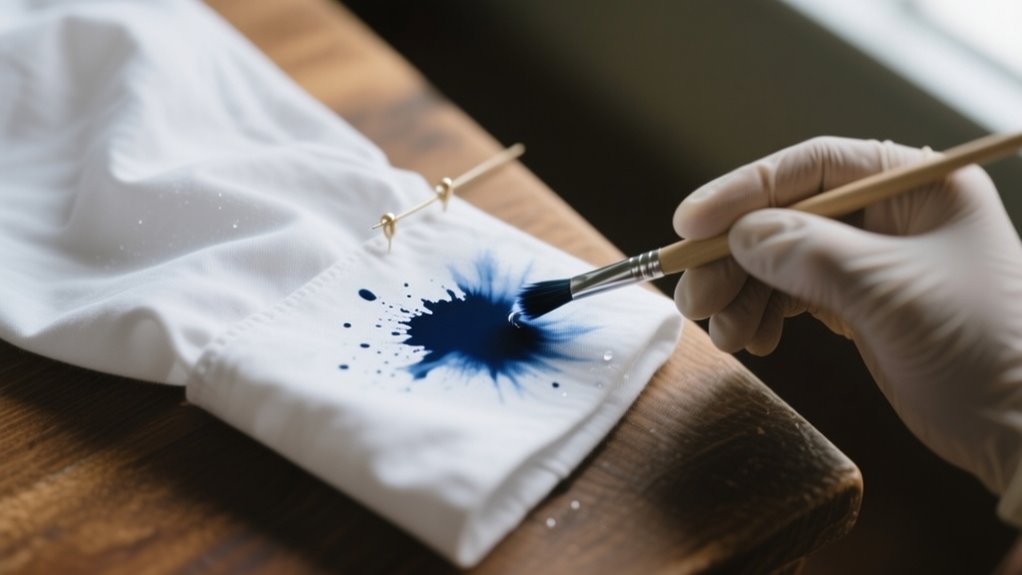
You can remove ink from fabric by acting fast and using household products like rubbing alcohol or hand sanitizer for ballpoint ink.
For water-based inks, cold water with blotting works well.
For tougher stains, acetone-based removers work well, but always test on a hidden spot first.
Avoid hot water to prevent setting the stain.
Different fabrics and ink types need specific care, so understanding these can make a big difference in your cleanup success.
Keep exploring to find the best method for your fabric.
Why Ink Stains Are Hard to Remove
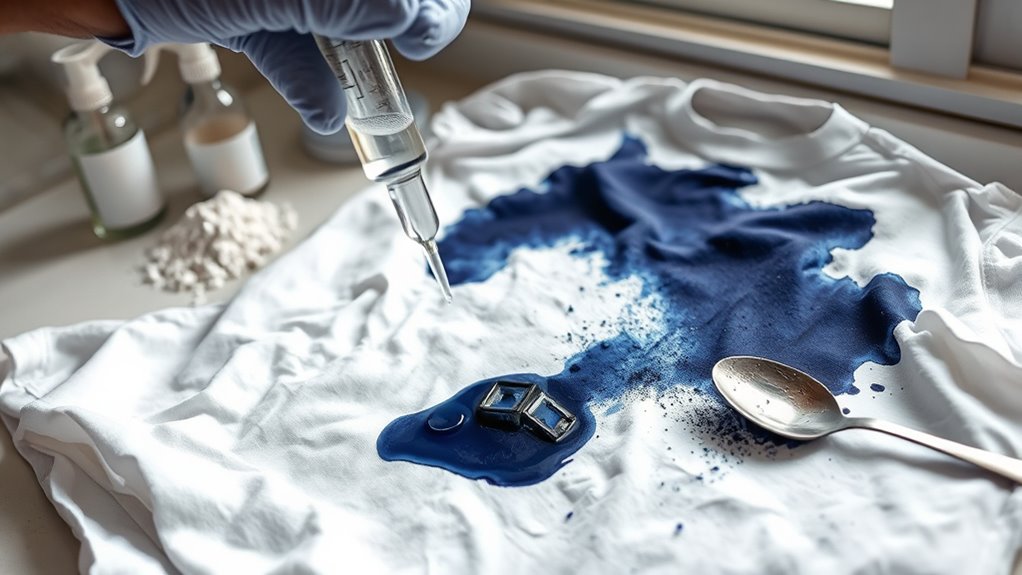
Because ink pigments can penetrate deep into fabric fibers, you’ll find ink stains particularly tough to remove. When ink seeps into the fibers, it bonds strongly with the fabric’s surface, making it much harder to lift out.
Ink pigments deeply penetrate fabric fibers, bonding strongly and making stains especially difficult to remove.
If you don’t act quickly, the chemicals in ink formulations set the stain, turning it nearly permanent. Rubbing or mishandling the ink stain only makes matters worse by spreading the ink, pushing it further into the material.
Once ink dries, the pigments become even more resistant, forcing you to use stronger or specialized cleaners. You’ll also notice that the fabric type influences how easily the ink stain comes out.
Porous or delicate fabrics absorb ink faster, making removal more challenging and increasing the risk of permanent damage. Understanding why ink stains are so stubborn helps you appreciate the importance of prompt and careful treatment to save your clothes.
How to Tell What Kind of Ink You’re Dealing With
Ink stains vary widely depending on the type of ink involved, and knowing which kind you’re dealing with can greatly improve your chances of removing it successfully. To identify the ink stain on your fabric, start by examining the source and testing small areas carefully.
Here’s how you can identify the ink type:
Check if the ink comes from a fountain or gel pen; these water-based inks usually wash out with cold water. If it’s ballpoint pen ink, it’s oil-based and resists water, often needing solvents.
Test the stain with rubbing alcohol. Oil-based inks tend to dissolve, while water-based ones don’t. Permanent marker ink bonds strongly to fabric fibers and often requires specialized treatments.
Top Household Products for Removing Ink Stains
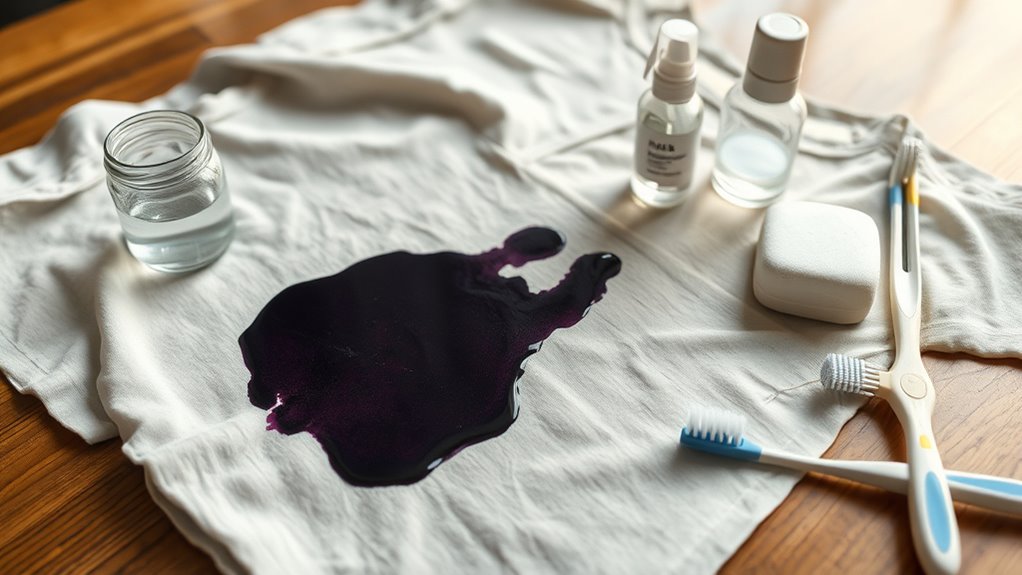
When you spot a stubborn stain on your fabric, reaching for common household products can often save the day. To remove ink stains from clothes, start by dabbing the stained area with a clean cloth soaked in cold water.
Apply rubbing alcohol or hand sanitizer on a cotton pad and gently blot the ink stains, especially from cotton fabrics. Hair spray can help fade ink but use it cautiously.
For lighter stains, dish soap mixed with water works well, though it may need multiple applications. Vinegar and cornstarch paste can loosen ink but is messier than stain remover sprays. Always blot with a paper towel or cotton ball and let sit before rinsing.
| Product | Application Method | Best For |
|---|---|---|
| Rubbing Alcohol | Apply rubbing alcohol on cotton pad | Ballpoint pen and ink stains |
| Dish Soap | Mix with water, apply, and blot | Light ink stains on cotton |
| Vinegar & Cornstarch | Make paste, apply, let sit | Tough stains, but messy |
How to Remove Ink Stains With Rubbing Alcohol
To get ink stains out using rubbing alcohol, just apply it right onto the spot. Then, gently blot the area to lift the ink without spreading it around. After that, rinse the fabric with cold water to wash away any leftover alcohol and ink.
If the stain is stubborn, you might need to repeat these steps a few times. Just be sure to test the rubbing alcohol on a hidden part of the fabric first, so you don’t accidentally damage it.
Effective Application Techniques
Although ink stains can seem stubborn, you can effectively remove them by applying rubbing alcohol correctly. Start by saturating the stained fabric with rubbing alcohol using a cotton pad or cloth. Then, gently blot the stain, don’t rub, to lift the ink without spreading it further. Keep blotting with fresh cotton pads until no more ink transfers.
Follow these steps for best results:
- Apply rubbing alcohol directly to the ink stain.
- Blot gently to absorb ink, avoiding rubbing.
- Replace cotton pads as needed during blotting.
- Rinse the treated area immediately with cold water.
This method helps break down ink effectively before washing, reducing the chance of permanent stains.
Post-Treatment Washing Tips
After you’ve carefully blotted the ink stain with rubbing alcohol and rinsed the fabric with cold water, the next step is washing the item properly to prevent the stain from setting. For effective fabric care, wash the stained item in cold or lukewarm water using your regular laundry detergent.
Avoid hot water, as heat can cause the ink to become permanent. Once washed, check the fabric before drying. If any ink remains, repeat the rubbing alcohol treatment and wash again.
Drying the fabric with ink still present can set the stain, making it harder to remove. Following these post-treatment washing tips guarantees you maintain your fabric’s appearance while effectively removing ink stains with rubbing alcohol.
Effectiveness of Dish Soap and Water on Fresh Ink Stains
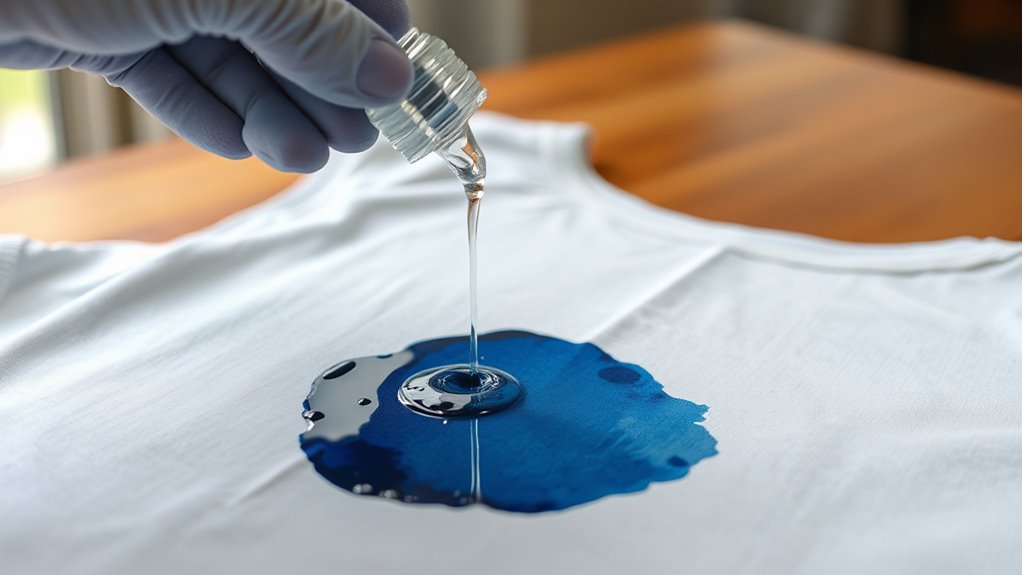
You can start by dampening the fresh ink stain with some water and then applying dish soap using a cloth. It’s a pretty simple method to try out. You might notice the stain fading a bit after a few tries, but it’s not likely to disappear completely. So, while it’s a quick and easy option, don’t count on dish soap and water alone to fully get rid of the ink stain.
Cleaning Process Overview
When you tackle fresh ink stains on fabric, dish soap and water offer a straightforward starting point. This method is easy to use and works best as an initial step rather than a complete fix. You’ll dampen the fabric, apply dish soap with a cloth, and gently rub the stain.
While it scores 3 out of 5 in effectiveness, the ink often remains, and color bleeding can occur if you’re not careful. Here’s what you should know about the cleaning process:
- Dampening the stain first prevents spreading.
- Use mild dish soap to avoid harsh effects.
- Gently blot instead of scrubbing to reduce color bleeding.
- Repeat applications may slightly fade the ink but won’t remove it entirely.
This approach is simple but often requires follow-up treatments.
Stain Fading Results
How well does dish soap and water work on fresh ink stains? When you dampen the stain and apply dish soap with a cloth, you’ll notice some slight fading after washing, but the ink persistence remains significant.
This method scored a 3 out of 5 for effectiveness, meaning it achieves moderate success in fading fresh ink stains but won’t completely remove them on its own. You might need to repeat the treatment multiple times to see better results.
While dish soap and water can be a helpful first step, don’t expect it to fully erase ink marks immediately. The ink persistence means that fresh ink tends to hold on, requiring more intensive or repeated cleaning methods for thorough removal.
Ease Of Use
What makes dish soap and water a popular choice for tackling fresh ink stains is their simplicity and accessibility. You can easily apply dish soap with a damp cloth and rinse, which helps fade the ink without harming fabric durability. While it might not completely remove the stain on the first try, repeating the process improves your chances.
Here’s why this method stands out for ease of use:
- Requires common household items
- Gentle on most fabrics, preserving durability
- Quick application with minimal prep
- Can be repeated as needed without damage
Though it scores a moderate 3 out of 5 for removal, its ease of use (4 out of 5) makes it a practical first step before trying stronger treatments.
How to Use Nail Polish Remover for Ink Stains
Although nail polish remover may seem like an unconventional choice, you can effectively use acetone-based remover to lift ink stains from fabric. Start by testing the nail polish remover on a hidden fabric area to avoid discoloration.
Then, soak a cotton pad in the remover and gently dab the ink stain. Don’t rub, as this spreads the ink. Use fresh cotton pads repeatedly until the stain fades.
Afterward, rinse the fabric thoroughly with cold water to clear any acetone residue. Finally, wash the garment in cold water and check the stain before drying. Repeat the process if needed.
| Step | Action |
|---|---|
| 1. Test | Apply remover on hidden fabric area |
| 2. Dab | Gently dab ink with acetone-soaked pad |
| 3. Repeat | Use fresh pads until stain fades |
| 4. Rinse | Wash thoroughly with cold water |
| 5. Wash & Check | Cold wash garment; repeat if necessary |
This method uses nail polish remover safely and effectively for ink stains.
When Vinegar and Cornstarch Help Remove Ink Stains
You can mix vinegar and cornstarch to make a paste that helps lift ink stains from fabric. When you apply it, the vinegar works to break down the ink, while the cornstarch soaks it up.
That said, the paste can get a bit messy, and it might not be as effective as some other stain removers. So, it’s a good idea to treat the stain as soon as you notice it and try the mixture on a small, hidden spot first to make sure it won’t damage your fabric.
Vinegar Cornstarch Paste
Two common household ingredients, vinegar and cornstarch, can combine to create a paste that helps lift fresh ink stains from fabric. This mixture hardens as it dries and can be peeled off, pulling some ink particles out with it. However, this method isn’t perfect. It can be messy and may cause color bleeding if the fabric’s dyes aren’t colorfast.
You’ll get better results on fresh stains and might need multiple applications. But be cautious as the paste can be tricky to remove fully.
Keep in mind:
- Best on fresh ink stains to minimize color bleeding
- Paste hardens and lifts embedded ink
- Messy application, often leaves residue
- Repeated use may be necessary but challenging to remove completely
Application Challenges
Why does the vinegar and cornstarch mixture often pose challenges during application? The biggest application challenges come from the mixture’s tendency to harden into chunks instead of a smooth paste.
When you apply this uneven paste to fabric, coverage becomes inconsistent, making it harder to lift the ink stain effectively. Plus, the hardened cornstarch residue can be tough to remove, sometimes forcing you to scrub vigorously, risking fabric damage.
You’ll also find that this method’s success varies depending on the stain’s age and type; older ink stains respond less to vinegar and cornstarch. Because of these application challenges and removal difficulties, this DIY method isn’t as reliable as commercial stain removers or alcohol-based treatments, which offer smoother application and easier cleanup.
Why Hair Spray Usually Doesn’t Work on Ink Stains
A common misconception is that hair spray can effectively remove ink stains from fabric. While it might seem like a quick fix, hair spray often contains fixatives that actually set ink stains deeper into the fabric. Plus, the alcohol in most hair sprays isn’t strong enough to break down stubborn ink pigments.
Here’s why hair spray usually doesn’t work on ink stains:
It contains chemicals that can make the ink spread or sink further into fibers. The alcohol content is typically too low to dissolve ink thoroughly. Though it may lighten the stain temporarily, it rarely removes it completely. Hair spray isn’t designed as a stain remover, so it often fails to eliminate ink effectively.
Easy Ways to Treat Ink Stains on Different Fabrics
Although ink stains can be tricky, you can effectively treat them by matching your cleaning method to the fabric type. Fabric compatibility is key to avoiding damage and improving stain removal.
For cotton, apply rubbing alcohol or hand sanitizer directly, repeating as needed to lift the ink. Denim responds well to alcohol-based hairspray followed by a hot water wash, especially on fresh stains.
When dealing with delicate silk, use gentle solutions like white vinegar or opt for professional dry cleaning to protect the fabric. Leather demands special care; choose leather-safe cleaners or mild pastes to avoid ruining its texture.
For water-based inks, such as fountain or gel pen marks, blot the stain gently with a microfiber cloth and apply plant-based stain removers for better results. By selecting the right method for each fabric, you’ll boost your chances of removing ink effectively without causing harm.
Tips to Prevent Ink Stains From Setting
If you catch an ink stain early, you’ll increase your chances of removing it completely. Understanding ink chemistry helps you act quickly before the ink sets deep into fabric fibers. Ink contains pigments or dyes dissolved in a solvent, which can bond tightly with fabric once dried.
Catching ink stains early improves removal success by preventing the ink from bonding deeply with fabric fibers.
To prevent the stain from setting, follow these tips:
- Blot the stain gently with a clean cloth to avoid spreading or pushing ink further into the fabric.
- Avoid heat sources like hot water or dryers since heat can permanently set ink stains.
- Apply a solvent such as rubbing alcohol or hand sanitizer promptly to dissolve the ink before it dries.
- Test any stain removal method on a hidden fabric spot to ensure it won’t cause damage or worsen the stain.
Frequently Asked Questions
Can Ink Stains Be Removed From Upholstery or Carpet?
Yes, you can remove ink stains from upholstery or carpet, but upholstery challenges make it tricky. You’ll want to act quickly and use alcohol-based solutions like rubbing alcohol or hand sanitizer. Blot gently to avoid spreading the stain deeper.
Always test on a hidden spot first to prevent damage. Rinse with cold water afterward and keep blotting. Avoid heat drying until the stain’s gone for the best results.
Are Ink Stain Removers Safe for Children’s Clothing?
Yes, ink stain removers can be safe for children’s clothing if you prioritize child safety. Always check labels for age restrictions and follow instructions carefully.
You should do a patch test first to avoid fabric damage or irritation. Avoid harsh chemicals like acetone, which can harm sensitive skin.
Natural options like rubbing alcohol work well if you use them sparingly and rinse thoroughly to keep your child safe and clothes stain-free.
How Long Should You Wait Before Treating an Ink Stain?
You shouldn’t wait long before treating an ink stain. Timing is everything. The quicker you act, the better your chances of removing it completely.
Don’t rush blindly, though. Patience helps you apply the right method carefully. Ideally, start treatment within the first hour.
If you can’t, soak the fabric in cold water to prevent the ink from setting. Waiting too long only makes removal harder, so balance timing with patience.
Can Ink Stains Be Removed After Multiple Wash Cycles?
Think of an ink stain like a shadow. It lingers even after light fades. Yes, you can remove ink stains after multiple wash cycles, but stain persistence makes it tougher.
The deeper the ink sinks, the harder it is to erase. You’ll need stronger solutions like rubbing alcohol or specialized removers. Act quickly next time, but don’t lose hope.
With patience and the right treatment, you can still brighten that fabric.
Do Professional Dry Cleaners Remove All Types of Ink Stains?
No, professional dry cleaners don’t remove all types of ink stains because stain persistence varies. You’ll find that water-based and fresh ink often come out easily, but permanent marker or oil-based ink stains can be stubborn.
Even pros face challenges with deeply set or old stains, so sometimes multiple treatments are needed. Remember, stain persistence means some ink marks just won’t fully disappear, no matter the cleaning method.
Conclusion
Ink stains can feel like stubborn shadows refusing to fade, but you’ve got the power to erase them. With household heroes like rubbing alcohol, dish soap, and even vinegar ready to fight, you’re armed for victory.
Remember, acting fast keeps those stains from setting like a permanent tattoo. Treat your fabrics gently, and you’ll watch ink vanish like morning mist, leaving your clothes fresh and spotless once more.
Don’t let ink win the battle!
Leave a Reply