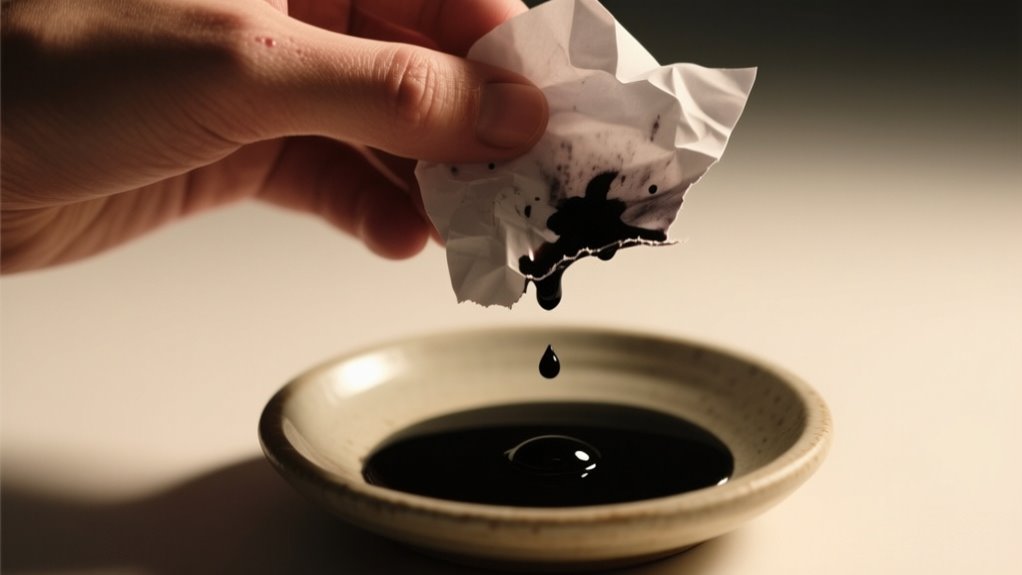
You likely won’t die from eating inked paper, but you shouldn’t take it lightly. Small amounts are usually non-toxic, but choking is the biggest immediate danger since inked paper can block your airway.
Chemicals in some inks, especially those with heavy metals, can cause long-term harm if ingested repeatedly. If you experience severe symptoms or chemical exposure, seek medical help.
Keep going to better understand the risks and what steps to take if it happens.
What Happens in Your Body When You Eat Inked Paper
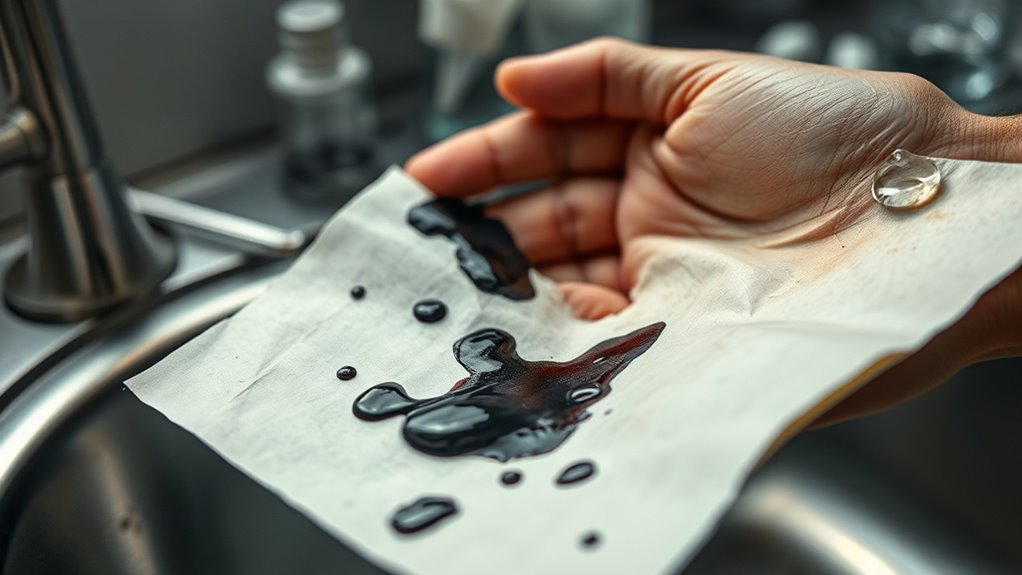
Although eating inked paper isn’t common, when you do, the chemicals in the ink mostly pass through your digestive system without being absorbed. When you swallow inked paper, the ink’s chemicals don’t break down or enter your bloodstream. Instead, they travel through your digestive system and exit your body with your stool.
You might notice some irritation or staining in your mouth, throat, or digestive tract, but this usually isn’t serious if you only ingest a small amount. However, eating large quantities of inked paper can cause discomfort like nausea or vomiting due to chemical exposure or physical blockage.
While the risk of serious toxicity is low, your body still sees these substances as foreign and works to remove them. So, while it’s not a good idea to eat inked paper, your digestive system generally handles small amounts without absorbing harmful chemicals.
Is Inked Paper Poisonous or Toxic?
You might not realize it, but the ink on paper actually contains chemicals that can be toxic if you consume too much. Usually, small amounts won’t cause serious harm, so there’s no need to panic if you accidentally chew on a bit of inked paper. However, if you eat it repeatedly or in large amounts, it could lead to symptoms like nausea or stomach irritation. So, understanding how toxic the ink can be and what health effects it might have helps explain why eating inked paper isn’t really safe.
Ink Toxicity Levels
While most inks used in newspapers and printing are made from non-toxic, soy- or vegetable-based dyes, they aren’t meant to be ingested. Ink toxicity mainly depends on the type of ink and the amount swallowed during accidental ingestion.
Small amounts usually pose minimal risk since these inks contain low levels of harmful chemicals. However, some inks include trace heavy metals and solvents that can cause chemical poisoning if consumed in large quantities.
The FDA approves these inks for external use only, highlighting potential dangers if ingested substantially. If you accidentally swallow inked paper, symptoms might include stomach upset or nausea, but serious poisoning is rare.
Understanding ink toxicity helps you gauge the risk, but it’s best to avoid eating inked materials altogether.
Health Effects Overview
Even though most inked paper contains non-toxic pigments, swallowing it isn’t completely without risk. You might not face serious health issues from ingesting small amounts because most inks use non-poisonous dyes.
However, consuming large quantities could expose you to chemical poisoning due to heavy metals, solvents, or toxic additives found in some inks. Eating inked paper can cause gastrointestinal irritation, nausea, or allergic reactions, but it’s rarely fatal unless you consume a significant amount.
The risk increases if you ingest ink from printer cartridges or industrial inks, which contain harmful chemicals. Overall, while typical accidental ingestion of inked paper is unlikely to harm you severely, it’s best to avoid eating it to prevent any potential health effects.
Why Choking Is the Biggest Danger of Inked Paper
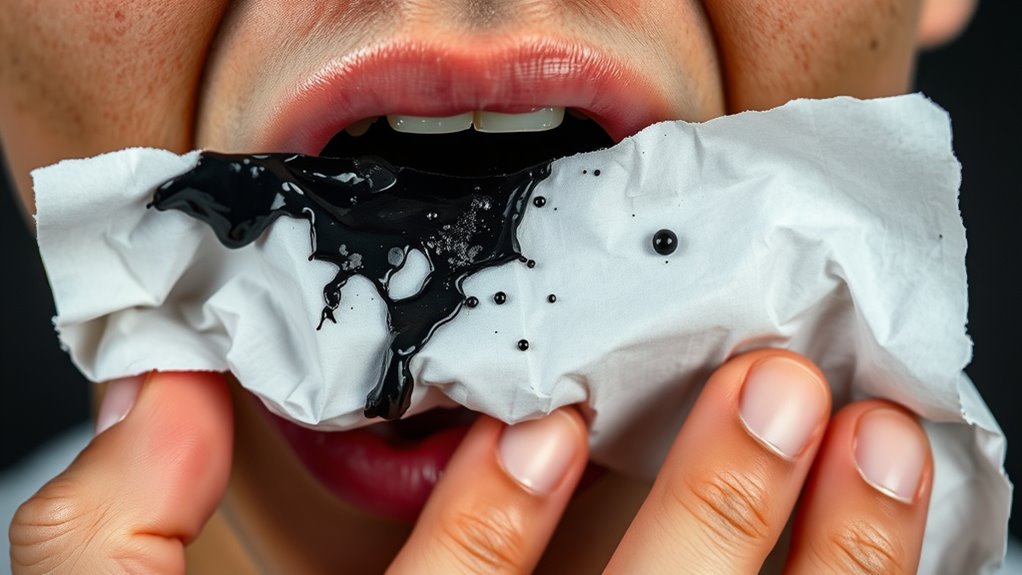
Because inked paper can break into large, jagged pieces, it poses a serious choking hazard when swallowed. When you ingest chunks of inked paper that aren’t properly chewed, they can block your airway, leading to choking, a life-threatening emergency.
This risk is especially high for children or anyone who accidentally swallows bigger fragments. Unlike chemical risks, choking from inked paper happens immediately and demands quick action to clear the blockage.
Small pieces can lodge in your throat or esophagus, triggering sudden choking episodes. To protect yourself, avoid biting off large pieces of inked paper and make sure to chew thoroughly if you accidentally put any in your mouth.
Taking these precautions considerably reduces the risk of choking, which remains the most immediate and dangerous threat from consuming inked paper. Staying cautious is key since choking can cause suffocation if not addressed promptly.
What Ink Chemicals Can Do to Your Health Over Time
If you keep ingesting inked paper, toxic chemicals like heavy metals and carcinogens can slowly build up in your body over time. These substances might lead to serious health problems, such as organ damage or a higher risk of cancer. It’s really important to understand how being exposed to these harmful ink components over the long term can affect your health.
Chronic Ink Exposure
When you expose yourself to ink chemicals repeatedly over time, you risk serious health problems that often go unnoticed at first. Chronic ink exposure can lead to chemical poisoning, causing neurological damage and cognitive impairments due to heavy metals and solvents present in the ink.
Regularly ingesting or inhaling ink fumes increases your chances of kidney damage, hypertension, and respiratory issues. Toxic substances like cadmium and lead accumulate in your body tissues, potentially increasing cancer risks.
Over time, persistent contact with these chemicals may disrupt your hormonal balance and impair liver function. Even though the symptoms might develop slowly, the long-term effects of chronic ink exposure are severe and shouldn’t be underestimated if you’re regularly consuming or coming into contact with inked paper.
Toxic Ink Components
Although ink might seem harmless at first glance, its chemical components can build up in your body over time and cause serious health problems. Toxic ink components like heavy metals, lead and cadmium, and volatile organic compounds don’t just vanish after ingestion.
When you repeatedly ingest inked paper, these harmful substances accumulate, increasing your risk of neurological issues, kidney damage, and even cancer. Many inks contain dyes and solvents recognized by regulatory agencies as carcinogenic or hazardous, making chronic exposure particularly dangerous.
Even small amounts of ingestion can lead to bioaccumulation, silently impacting your health. Understanding these risks helps you realize why eating inked paper isn’t just unpleasant—it’s a potential long-term health hazard you should avoid.
Signs and Symptoms to Watch For After Swallowing Inked Paper
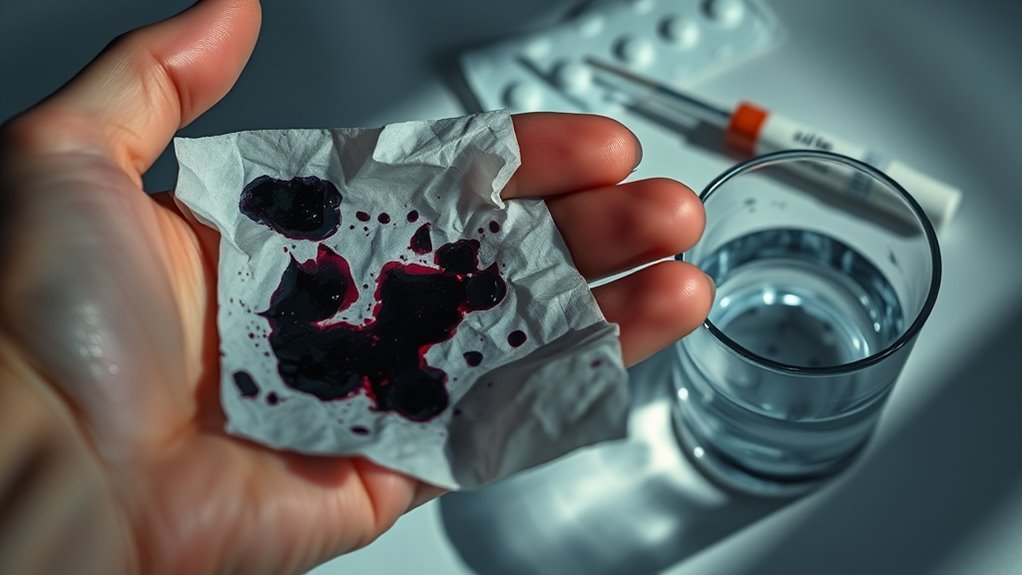
Since swallowing small amounts of inked paper usually doesn’t cause immediate problems, you might not notice any symptoms right away. However, you should still watch for signs of ink poisoning, especially if you ingested a larger quantity.
Gastrointestinal discomfort, such as nausea, vomiting, abdominal pain, or diarrhea, is common and may develop within hours. These symptoms indicate your body is reacting to the ink’s chemicals.
Besides digestive issues, keep an eye out for allergic reactions like swelling, rash, or difficulty swallowing. Although rare, ink can contain toxic substances like heavy metals that might cause more serious effects if absorbed in significant amounts.
If you experience persistent discomfort, sudden weakness, or other unusual symptoms, monitor yourself closely. Recognizing these signs early helps you respond appropriately and avoid complications after swallowing inked paper.
When to Seek Medical Help for Inked Paper Ingestion
If you or someone else swallows a large amount of inked paper, or if there are severe symptoms like choking or persistent pain, it’s important to seek medical help right away. Don’t wait around if you notice things like vomiting, dizziness, or any unusual changes in the skin after swallowing inked paper.
When you’re unsure what to do, especially if it involves children or exposure to industrial ink, it’s always better to get professional advice immediately. Better safe than sorry!
Recognizing Severe Symptoms
When you or someone else swallows inked paper, recognizing severe symptoms quickly can be lifesaving. Seek immediate medical help if you notice difficulty breathing, persistent vomiting, or severe abdominal pain.
Symptoms like choking, gagging, or inability to swallow also require urgent evaluation. Avoid inducing vomiting unless a professional advises it, and don’t give food or liquids unless instructed.
If ink or chemicals contact eyes or skin, prompt medical care is vital to prevent irritation or burns.
| Severe Symptom | Action Needed | Why It Matters |
|---|---|---|
| Difficulty breathing | Emergency medical help | Risk of airway blockage |
| Persistent vomiting | Immediate care | Prevents dehydration |
| Severe abdominal pain | Urgent evaluation | Could indicate internal harm |
| Ink in eyes or skin | Prompt treatment | Avoids chemical burns |
When To Call
Although swallowing inked paper might seem harmless at first, you should seek medical help immediately if you notice signs like choking, difficulty breathing, or persistent abdominal pain. Knowing when to call is vital.
Medical journals emphasize contacting emergency services or your local poison control center if the person vomits, becomes confused, or loses consciousness after ingestion. Also, reach out promptly if bleeding, severe nausea, chest pain, or inability to swallow occurs.
Persistent irritation from ink-stained tissue warrants professional evaluation. Don’t hesitate to consult healthcare professionals if you’re unsure about the severity, especially with chemical exposure or large amounts.
Timely action can prevent complications, so trust your instincts and act quickly when symptoms worsen or unusual signs appear.
What to Do If You Swallow Inked Paper Accidentally
Accidentally swallowing inked paper can be unsettling, but you should start by rinsing your mouth thoroughly with water to remove any leftover ink. Avoid inducing vomiting, as this might cause choking or further injury.
Keep an eye out for symptoms like nausea, vomiting, abdominal pain, or trouble swallowing. If you notice any of these signs, seek medical attention promptly.
Watch for nausea, vomiting, abdominal pain, or swallowing difficulties and seek medical help if symptoms appear.
It’s also a good idea to contact your local poison control center or healthcare provider for advice tailored to the amount and type of ink ingested. In cases where severe symptoms arise, such as persistent pain or choking, don’t hesitate to seek emergency medical care immediately.
Taking these steps will help you manage the situation safely and reduce any potential health risks linked to swallowing inked paper.
Risks of Habitual Inked Paper Eating
If you regularly eat inked paper, you expose yourself to harmful chemicals found in inks, dyes, and bleaching agents that can lead to poisoning. The risks of eating inked paper habitually go beyond occasional discomfort.
You risk chemical poisoning from toxic substances in these materials, which can accumulate in your body over time. This buildup may cause serious organ damage and chronic health issues.
Repeated ingestion can also irritate your gastrointestinal tract or cause blockages due to indigestible fibers, leading to abdominal pain and nausea. Moreover, habitual inked paper eating is often linked to pica, a psychological condition that requires medical attention.
Ignoring these risks can worsen your health profoundly. If you find yourself frequently craving or consuming inked paper, it’s essential to seek professional help to address both the physical and mental aspects of this behavior.
Understanding these risks helps you make safer choices and protect your well-being.
Myths and Facts About Inked Paper Risks
When you hear warnings about eating inked paper, it’s easy to assume the risks are severe or even fatal. However, the reality is more nuanced. Most inked paper, like newspapers and printed materials, uses non-toxic inks that pose little toxicity threat if ingested in small amounts.
The real danger lies not in the ink itself but in physical risks such as choking or intestinal blockage. It’s a myth that inked paper is highly deadly. Toxicity depends on the ink’s chemical makeup and how much you consume.
Regulatory bodies like the FDA ensure most inks are safe for incidental ingestion. That said, consuming large quantities or inks with heavy metals can increase health hazards, though death is still very rare.
How Poison Control and Medical Experts Can Help
A poison control center can be your first point of contact if you or someone else swallows inked paper or ink. Poison control experts provide 24/7 guidance, helping you decide if immediate medical attention is necessary.
Medical professionals then assess the severity based on the ink type and amount ingested. They perform tests to detect toxins like heavy metals or solvents. They can recommend treatments from supportive care to stomach pumping, reducing risks of complications.
Reporting these incidents also helps improve safety guidelines.
| Concern | Emotion | Action to Take |
|---|---|---|
| “Is this dangerous?” | Fear | Call poison control now |
| “Will it harm me?” | Worry | Seek medical evaluation |
| “What if it gets worse?” | Urgency | Follow expert treatment |
Frequently Asked Questions
Can Inked Paper Cause Allergic Reactions?
Yes, inked paper can cause allergic reactions if you have an ink allergy or paper sensitivity. When you touch or accidentally ingest inked paper, the dyes and chemicals might trigger symptoms like itching, rash, or even respiratory issues.
You should avoid handling inked paper if you know you’re sensitive because your body could react strongly. Always take precautions to minimize contact and watch for signs of irritation to stay safe.
Is Inked Paper Harmful to Children or Pets?
About 60% of children who ingest non-food items experience symptoms from paper toxicity. Yes, inked paper is harmful to children and pets because their bodies absorb the ink differently, increasing ink absorption risks.
When they chew or swallow inked paper, toxic chemicals can enter their system, causing vomiting, diarrhea, or allergic reactions. You should always keep inked paper away from kids and pets to prevent serious health issues.
Are Some Types of Inked Paper Safer Than Others?
Yes, some types of inked paper are safer than others. Historical printing often used inks with heavy metals, which can be toxic if ingested.
In contrast, artistic uses today typically employ soy-based or vegetable-based inks that are much safer. If you’re handling inked paper, especially for children or pets, look for papers printed with non-toxic, food-grade inks to minimize health risks and enjoy your art or collection safely.
How Can I Safely Dispose of Inked Paper?
Disposing of inked paper safely is like tucking in a secret. You want to prevent any unwanted spread. To reduce environmental impact, seal the paper in a plastic bag before tossing it.
Check local recycling methods carefully, as not all facilities accept inked paper. Shred it to minimize ink leaching, and avoid burning since toxic fumes can release.
For large amounts, use hazardous waste containers to keep chemicals contained and safe.
Does Cooking Food in Newspaper Increase Ink Ingestion Risks?
Yes, cooking food in newspaper definitely increases ink ingestion risks. Historical ink use involved toxic substances like heavy metals, which could leach into food when heated.
While modern ink safety standards have improved, many newspapers still use dyes and chemicals that can transfer to your food, especially at high temperatures. To keep yourself safe, you shouldn’t cook or wrap food in newspaper, avoiding unnecessary exposure to harmful ink residues.
Conclusion
If you accidentally swallow inked paper, you probably won’t face serious harm. But it’s important to know that about 20% of reported ink ingestion cases involve mild to moderate symptoms like stomach upset.
The real risk lies in choking or long-term exposure to toxic ink chemicals. So, if it happens, stay calm, watch for symptoms, and seek medical help if needed.
Avoid making it a habit. Your health is worth it!
Leave a Reply