Category: Ink

  • How to Get Ink Stains Out of Clothing in 7 Easy Steps

    How to Get Ink Stains Out of Clothing in 7 Easy Steps

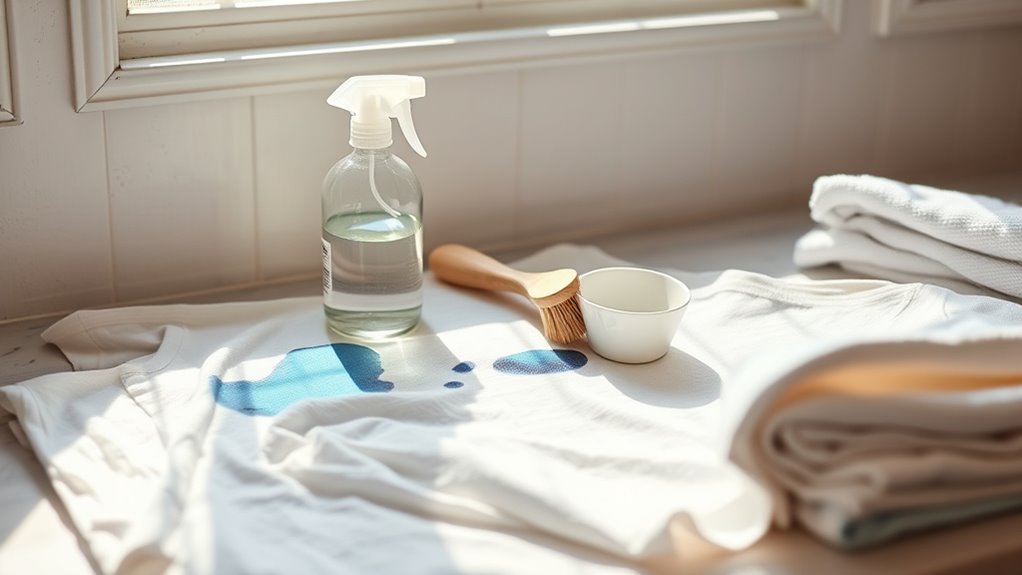
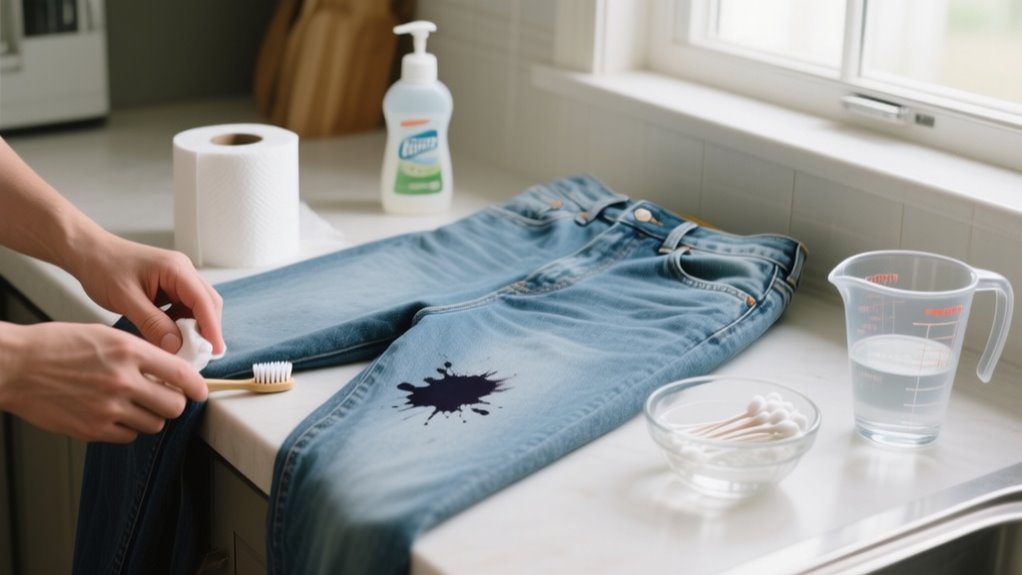
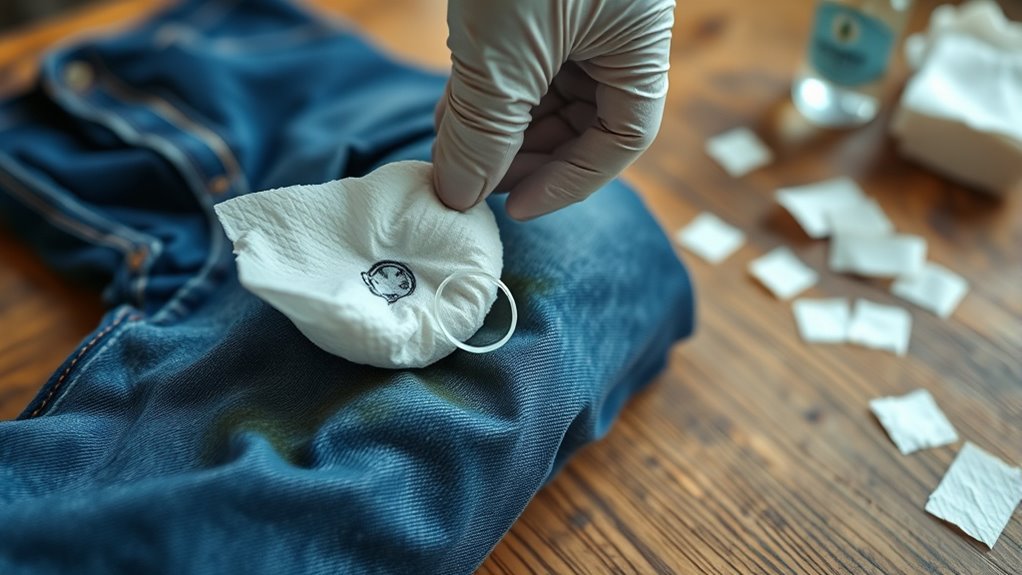
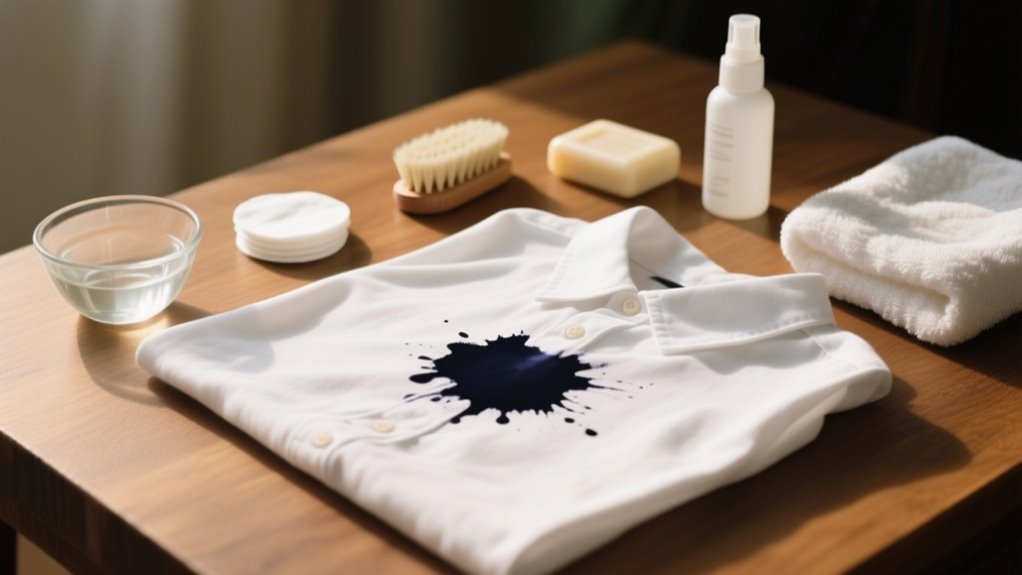
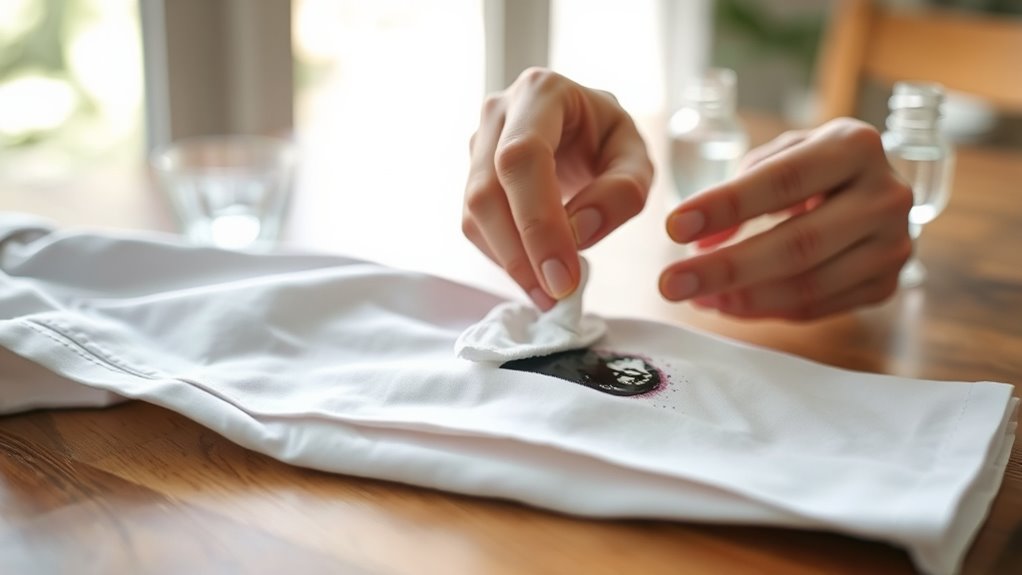
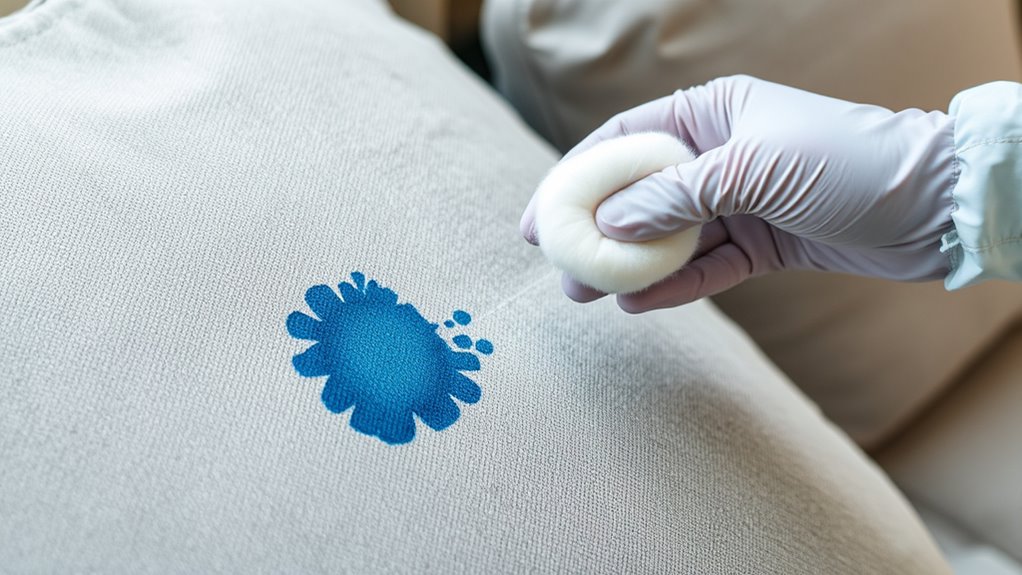
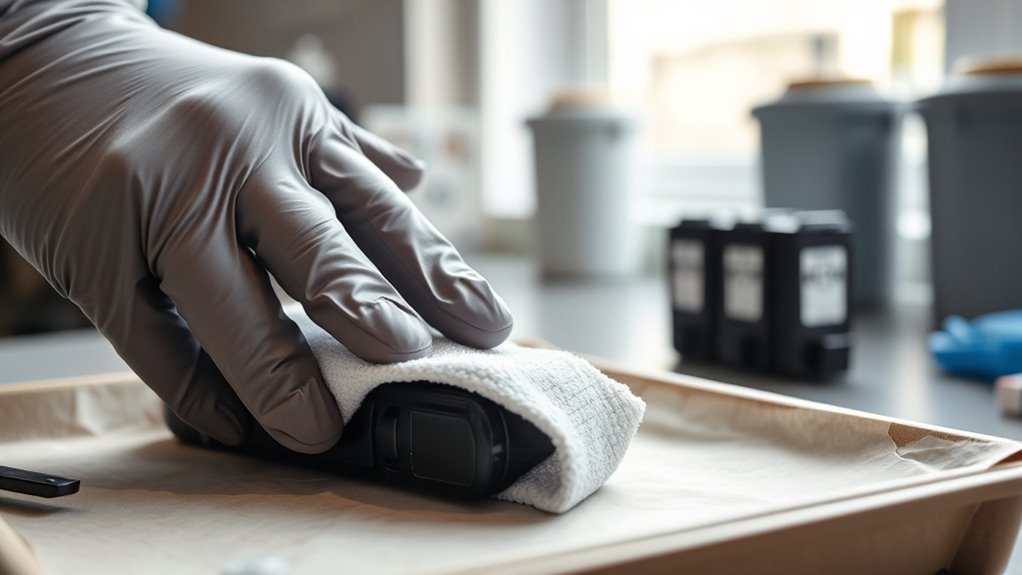
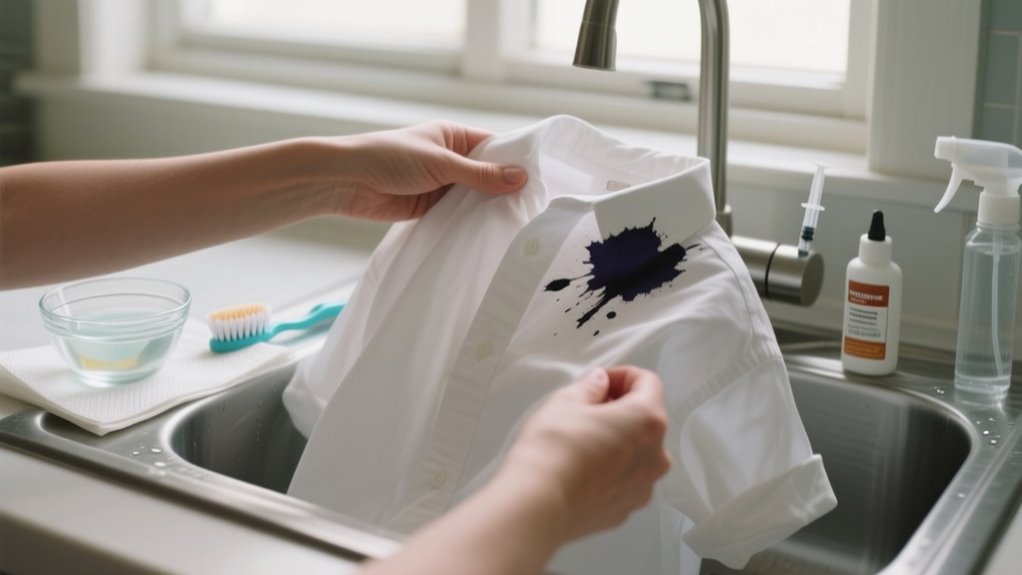
    Act fast to blot excess ink gently without spreading it. Then test rubbing alcohol on a hidden spot.

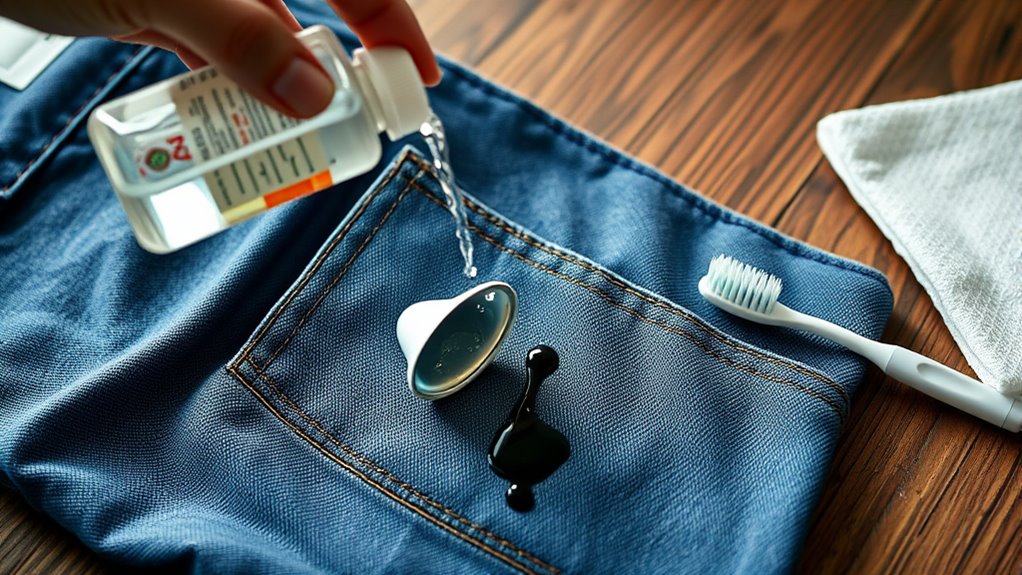
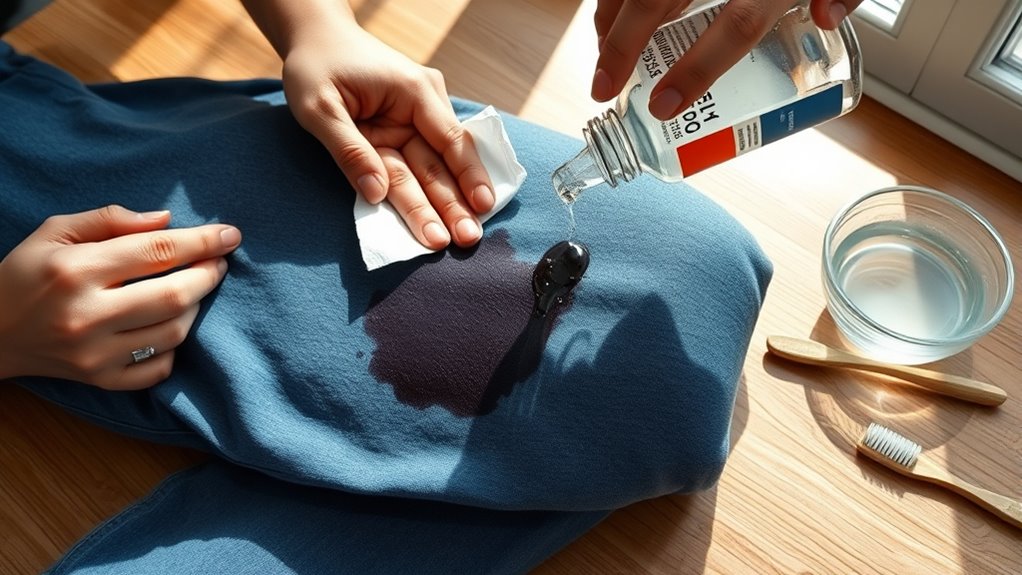
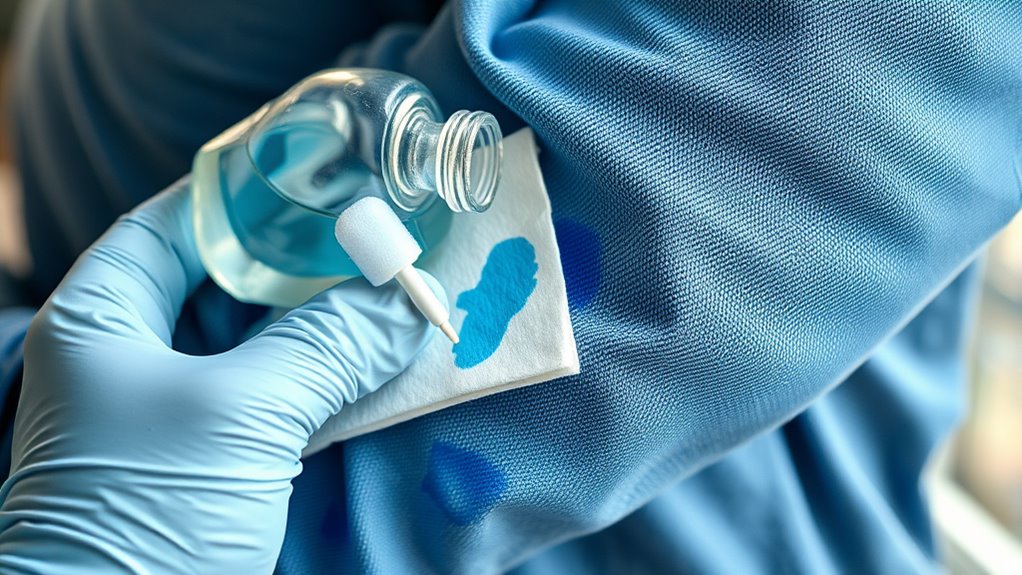
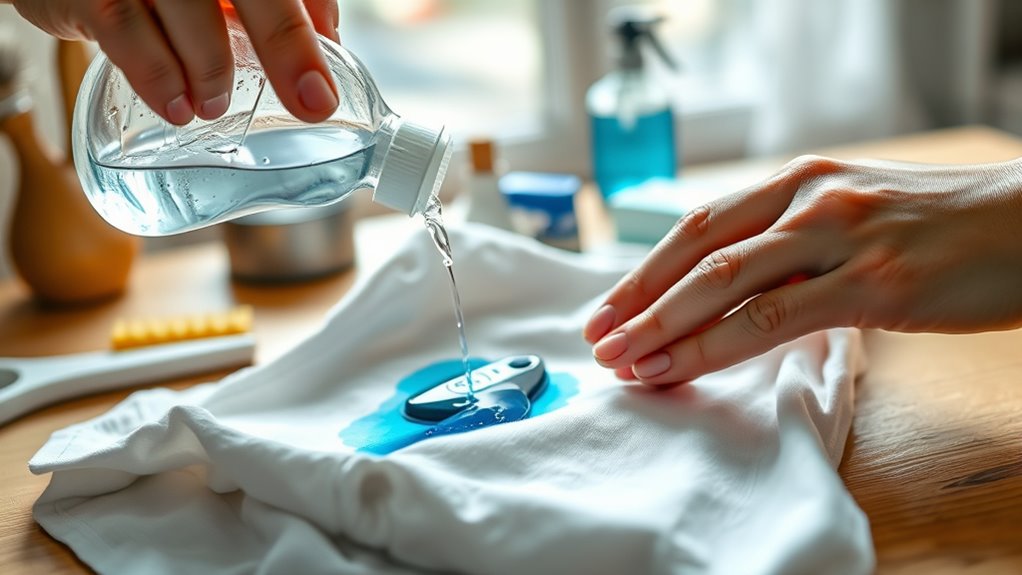
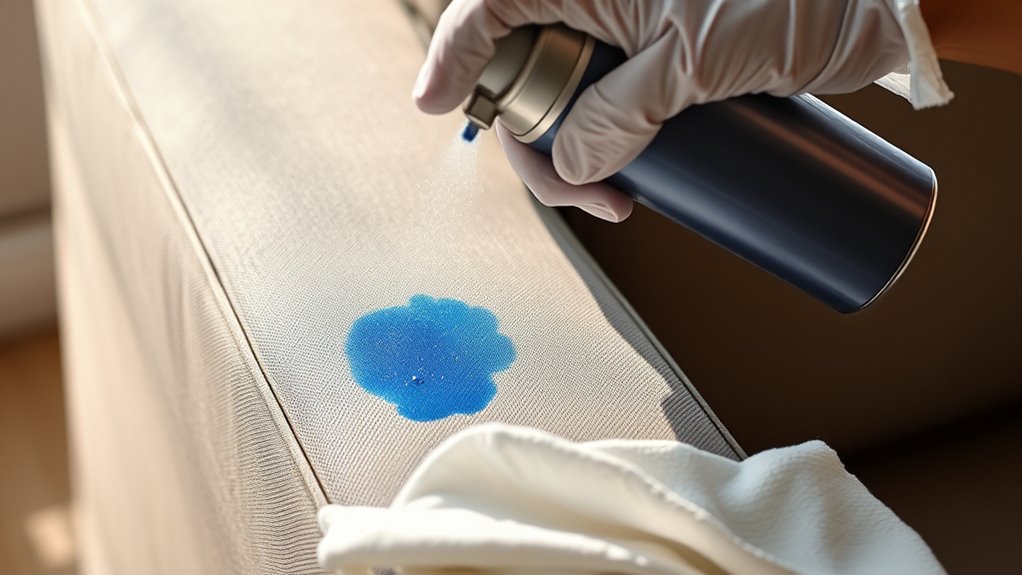
    Apply alcohol or alcohol-based sanitizer to the stain, dabbing from outside in, and let it sit briefly.

    Rinse with cold water and wash using the hottest safe temperature and a stain-fighting detergent.

    Air dry to avoid setting the stain. Different fabrics need tailored care, and if stains persist, professional help can save your clothes.

    Discover easy ways to handle these steps effectively.

    Act Fast: How Quick Treatment Saves Ink-Stained Clothes
    act quickly remove ink

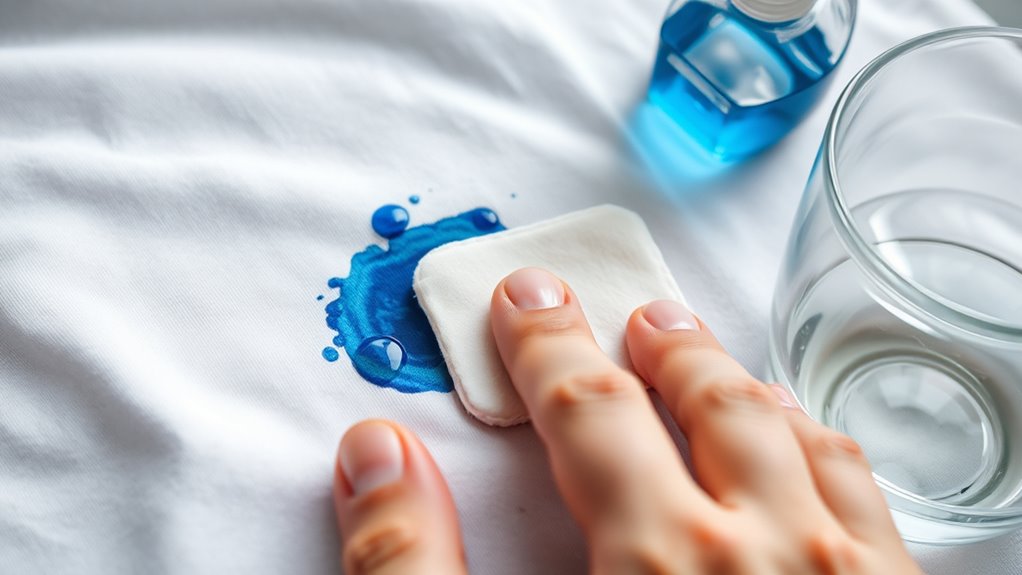
    When you catch an ink stain early, you dramatically increase your chances of removing it completely. The key is to act fast. Immediate treatment prevents the stain from setting and penetrating deeper into the fabric.

    As soon as you notice the ink, gently blot with cloth to soak up excess without spreading it. Next, apply solvent like rubbing alcohol as a pre-treatment; this breaks down ink molecules quickly.

    Prompt action reduces the need for repeated cleaning, which can damage delicate fabrics. The longer you wait, the more the stain penetrates fibers, making ink stain removal tougher and less effective.

    By acting quickly, you minimize permanent damage and improve the odds of completely erasing the blot. Remember, timely pre-treatment with blotting and solvent application is your best defense against stubborn ink marks.

    How to Test and Choose the Right Solvent for Ink Stains

    Before you apply any solvent to an ink stain, it’s a good idea to test it on a hidden part of the fabric first. Grab a white cloth or cotton swab, apply a small amount of the solvent, and then wait a few minutes. This way, you can see if there’s any damage or discoloration before going all in.

    Also, don’t forget to check the fabric care label. It’ll tell you if the solvent is safe to use on your clothing. Taking these simple steps can save your favorite clothes from getting ruined!

    Solvent Safety Testing

    Although tackling ink stains can be urgent, you should always test any solvent on a hidden fabric area first to verify it won’t cause color fading or damage. Begin solvent testing by applying a small amount to an inconspicuous area or hidden spot of the fabric.

    Wait about five minutes during this testing process to check for discoloration, fabric damage, or color transfer onto a white cloth or cotton swab. This test for colorfastness guarantees fabric safety before you treat the stain directly.

    Avoid using undiluted solvents on delicate fabrics, as the risk of damage increases. If you notice any adverse reactions during the test, choose a gentler method or seek professional help to protect your clothing.

    Fabric Colorfastness Check

    Since not all fabrics react the same way to solvents, you need to perform a fabric colorfastness check before treating ink stains. Start by doing a spot test with a small amount of solvent on an inconspicuous area using a clean white cloth or cotton swab.

    Wait five minutes to observe any discoloration, fading, or damage. For delicate fabrics, use milder solvents or a professional testing kit to verify solvent safety. Record your fabric response to decide if the solvent is suitable for stain removal or if you need an alternative.

    Step Action
    Fabric Test Apply solvent on hidden spot
    Damage Assessment Wait 5 minutes, check for damage
    Colorfastness Check Note discoloration or fading

    Step-by-Step Guide to Pre-Treating Ink Stains at Home
    pre treat ink with alcohol

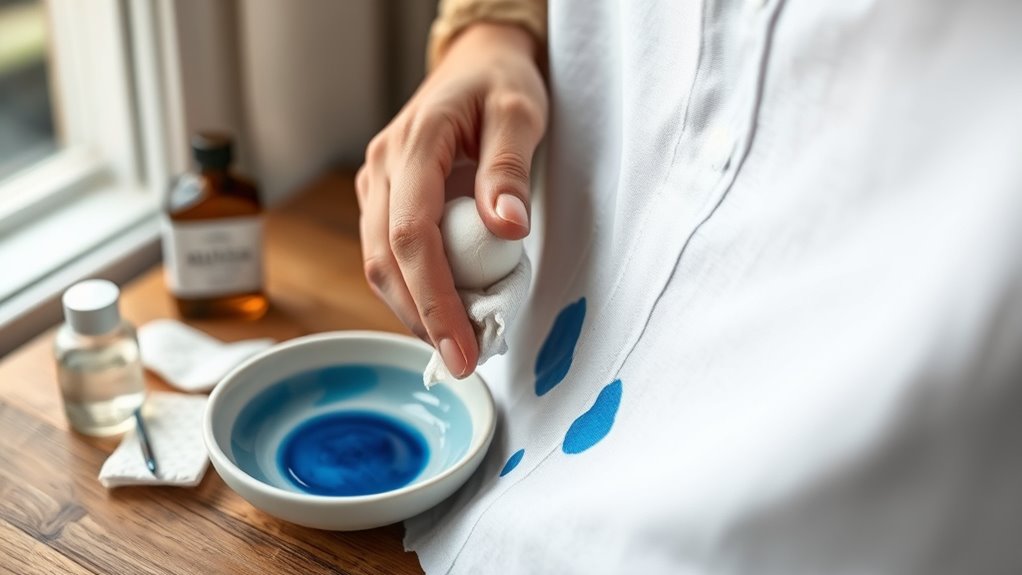
    When you notice an ink stain on your clothing, start by gently blotting the excess ink with a clean paper towel to keep it from spreading further. For effective pre-treating, saturate the stain with alcohol-based hand sanitizer, covering the entire ink area. Let it sit a few minutes to break down the ink.

    Before applying any solution, always test it on a hidden area of the garment to avoid damage or discoloration. Next, use a cotton swab dipped in rubbing alcohol to carefully dab the stain, working from the outside toward the center to prevent spreading.

    After treating the ink stains, rinse the area thoroughly with cold water to flush out loosened ink and sanitizer. Finally, apply your regular laundry detergent to the treated spot, following garment care instructions for washing. This step-by-step process guarantees targeted stain removal while protecting your clothing’s fabric and color.

    Best Washing Practices to Remove Ink Stains Safely

    To safely remove ink stains, always wash your clothing in the hottest water recommended for the fabric after pre-treating. This helps dissolve and lift the ink effectively. Use a laundry detergent with stain-fighting enzymes during the wash cycle to boost stain removal.

    Products like Tide Ultra Stain Release are great for breaking down ink residues. For white or bleach-safe fabrics, add a small amount of bleach to the wash cycle to enhance cleaning power.

    After washing, air dry your garment instead of using a dryer, since heat can set any remaining ink stains permanently. If the stain persists, don’t hesitate to repeat the washing process. Multiple cycles may be essential to fully eliminate stubborn ink stains.

    How to Remove Ink Stains From Different Fabric Types
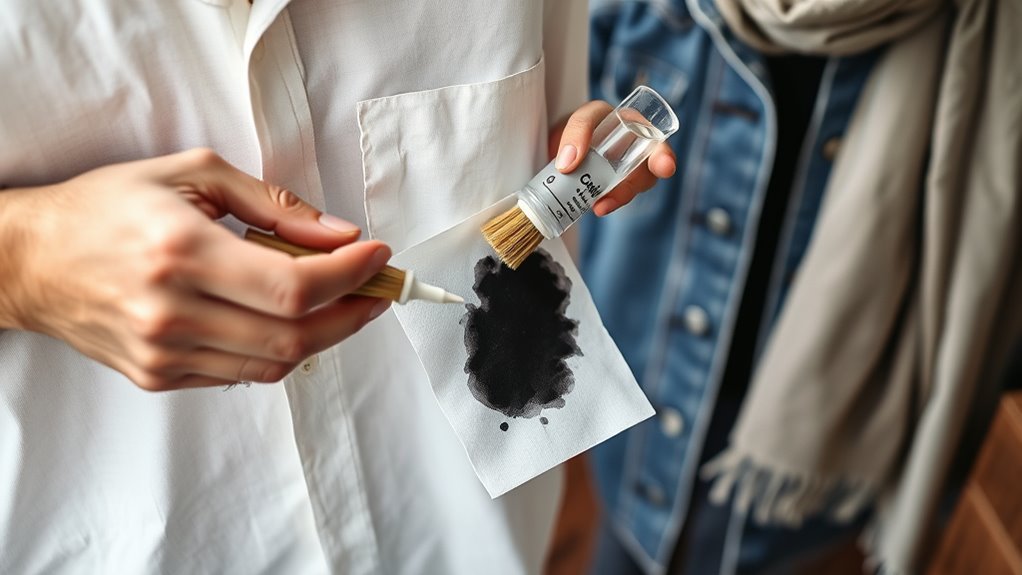
    fabric specific ink stain removal

    When you’re dealing with ink stains, it’s good to remember that different fabrics need different care. For tough materials like denim, you can go ahead and use rubbing alcohol or a stain remover. They really help get the job done.

    But when it comes to delicate fabrics like silk, you want to be much gentler. Soaking the fabric gently and blotting the stain works best without causing any damage.

    Basically, knowing how to treat each type of fabric makes all the difference. It helps you remove those stubborn ink stains effectively while keeping your clothes looking great.

    Durable Fabrics Treatment

    Although ink stains can be stubborn, you can effectively treat them on durable fabrics like shirts, jeans, and pants by applying rubbing alcohol or Tide Ultra Stain Release directly to the stain. Let it sit for about five minutes before washing.

    To treat fabrics such as canvas or spandex, stretch the fabric taut and drip rubbing alcohol onto the ink stain to help lift it. Always remember to test a small area first to confirm the solvent won’t damage your garment.

    Avoid aggressive rubbing to protect fabric care. After applying the solvent, rinse with cold water to flush out loosened ink. If the stain persists, repeat the process carefully.

    Using rubbing alcohol for stain removal on durable fabrics is a reliable method to restore your clothes efficiently.

    Delicate Fabrics Care

    Durable fabrics can handle stronger treatments like rubbing alcohol, but delicate fabrics need a gentler touch to avoid damage. When dealing with delicate fabrics such as silk and wool, always blot the stain gently using cold water rather than rubbing. Rubbing can harm fibers.

    For silk, dampen a white cloth with cold water and carefully blot the ink stain. Wool responds well to a vinegar and water solution, applied with gentle blotting to lift the stain without damaging texture.

    Before applying any stain removal method, test it on an inconspicuous area to prevent color fading or deterioration. After treating, air dry your garment away from heat sources to avoid setting the stain.

    If the stain persists, consider professional cleaning for the best fabric care.

    Using Bleach Safely to Remove Ink Stains From Colorfast Clothing

    Since bleach can damage fabrics, you’ll want to test it on a hidden spot of your clothing first to check for colorfastness. Once confirmed, dilute the bleach. Use about ¼ cup of Clorox™ Bleach per gallon of water to safely treat the ink stain on your colorfast clothing.

    Soak the stained area for no more than five minutes, fully submerging the garment to guarantee even stain removal. After soaking, rinse thoroughly with cold water to remove any bleach residue.

    Next, wash the clothing in the hottest water recommended on the care label, adding extra bleach if the label allows. Avoid using heat or a dryer until you monitor the stain’s disappearance by air drying the garment.

    Following these steps guarantees the safe use of bleach while effectively tackling ink stains on colorfast fabrics without causing damage to your clothing.

    What to Do If Ink Stains Persist and When to Call a Pro

    If ink stains don’t come out after several home treatments, it’s best to contemplate professional cleaning. Persistent ink stains can be tough to remove, and continuing DIY stain treatment might cause fabric damage, especially on delicate garments.

    Professional cleaning offers specialized solvents and equipment designed for stubborn stains that home remedies can’t tackle. If the stain remains visible after air drying, avoid applying heat, as this can set the ink permanently, making professional intervention even more necessary.

    When dealing with valuable or delicate garments, calling in a pro ensures proper handling and garment preservation. Experts know how to balance effective stain removal without harming the fabric’s integrity.

    Ultimately, if your persistent ink stain refuses to budge, professional cleaning is your safest bet to restore your clothing’s appearance without risking damage. Don’t hesitate to seek help; it’s the best way to protect and preserve your favorite pieces.

    Frequently Asked Questions

    Can Ink Stains Be Removed From Leather or Suede?

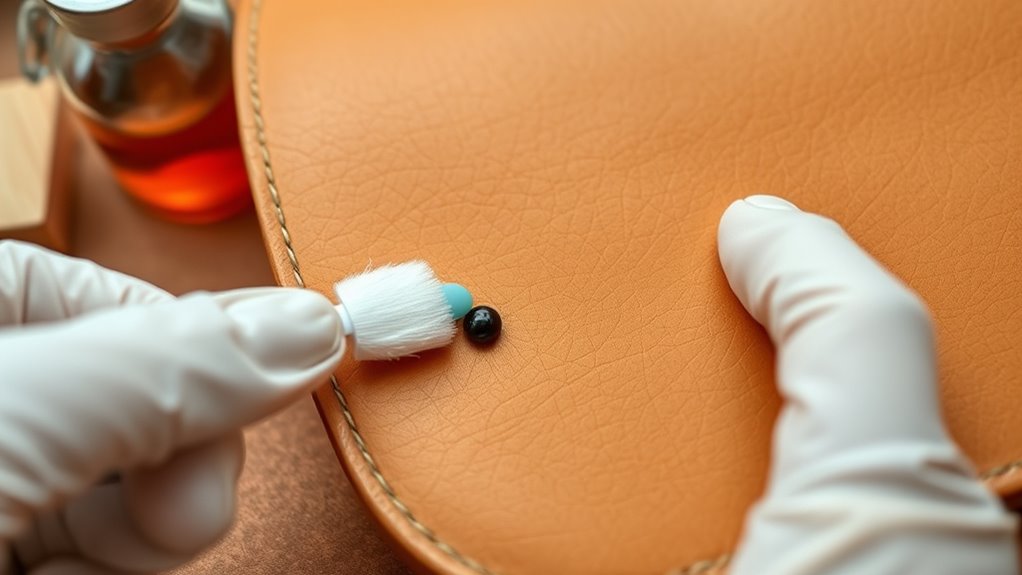
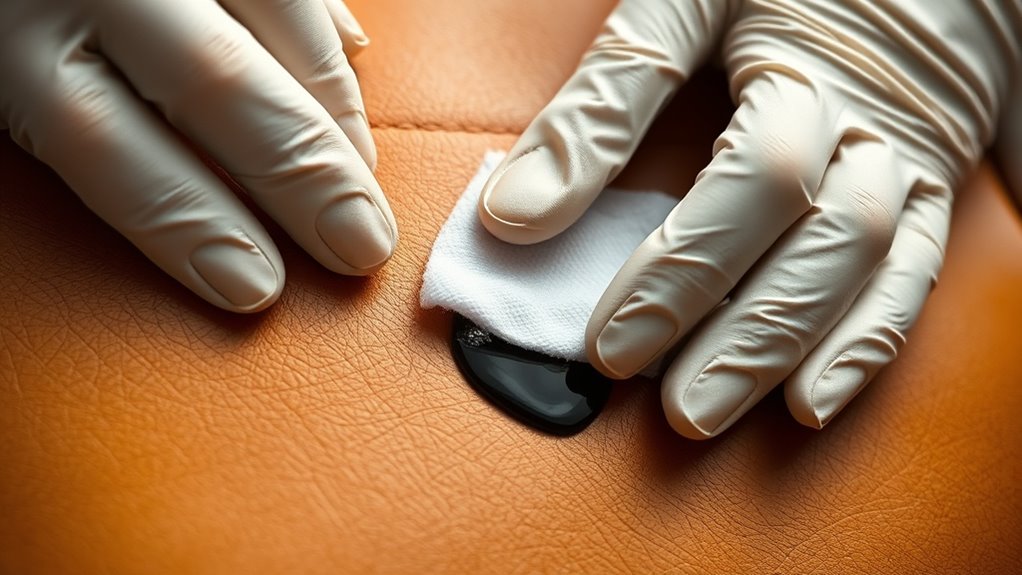
    Yes, you can remove ink stains from leather or suede with careful leather cleaning and suede treatment. Start by applying a small amount of rubbing alcohol or dry cleaning solvent to a cotton swab for precise ink removal.

    Gently blot the leather stains or ink blot on suede without rubbing to avoid ink transfer or damage. Afterward, use a leather conditioner or suede restoration product to maintain the material’s softness and prevent future damage.

    For tough stains, consider professional leather repair.

    Are Natural or Homemade Remedies Effective for Ink Stain Removal?

    You know what they say: Rome wasn’t built in a day, and neither are ink stain removals with DIY solutions. Natural remedies and homemade tricks like plant-based solutions or organic treatments can help lighten fresh stains, but they rarely erase stubborn ink completely.

    Eco-friendly methods and herbal techniques offer simple remedies for delicate fabrics. Yet traditional approaches or homemade formulas often need patience and repeated use to see real results.

    How Can I Prevent Ink Stains From Setting When Traveling?

    You can prevent ink stains from setting when traveling by using smart travel tips like packing stain removal kits and quick-response items such as hand sanitizers or alcohol wipes. Choose stain-resistant clothing and use fabric protection like plastic covers or stain barriers.

    Incorporate travel accessories designed for ink care and adopt packing strategies that keep pens separate from your clothes. Acting fast with these stain prevention methods keeps your fabrics safe on the go.

    What Causes Ink Stains to Become Permanent Over Time?

    Ink stains become permanent over time because ink penetration deepens as the drying process progresses, especially with certain fabric types and tight fabric weaves. The ink composition, including pigment and dye, interacts with the fabric molecules, while stain age allows stronger bonding.

    Heat exposure sets the stain further, and solvent interaction can either help or worsen it. Stain pressure during drying and ink color intensity also affect permanence, making early treatment essential.

    Can Ink Stains Be Removed From Delicate Fabrics Like Silk?

    Yes, you can remove ink pen stains from delicate fabrics like silk, but quick action is crucial to prevent stain penetration and fabric damage. First, identify the stain carefully and consider fabric sensitivity.

    Use gentle cleaning tips like blotting with diluted isopropyl alcohol or mild detergent to avoid color fading or stain transfer. Avoid vigorous rubbing, and always test on a hidden area.

    For stubborn stains, professional help guarantees safe and effective stain removal.

    Conclusion

    Now that you’ve tackled those stubborn ink stains with these steps, imagine slipping on your favorite shirt, spotless and fresh. But what if one stubborn mark refuses to budge? Don’t panic. Sometimes the real test is just ahead.

    With patience and the right moves, you can save your clothes from permanent damage. Ready to take control and restore your wardrobe? Your ink-free victory is closer than you think.
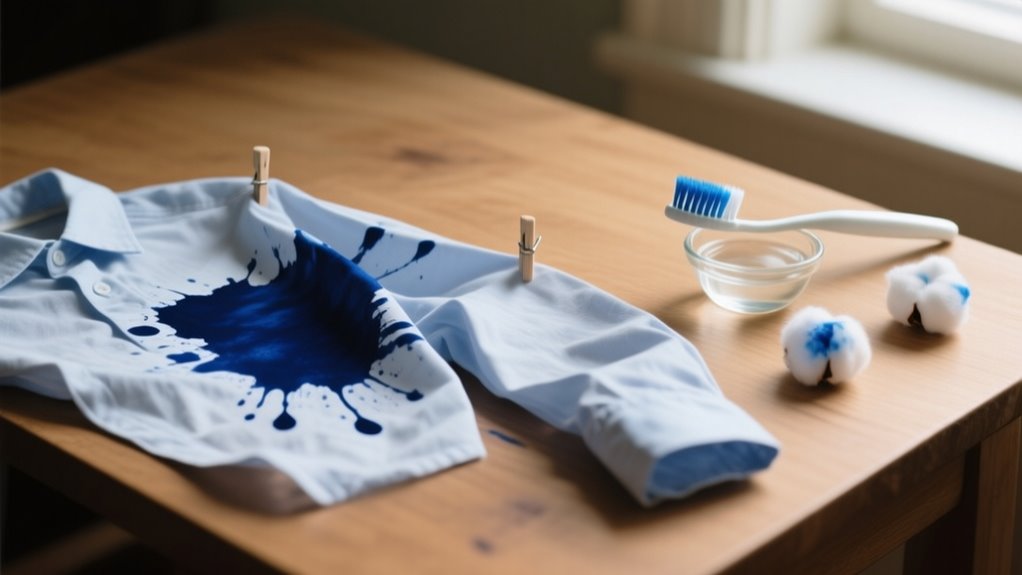
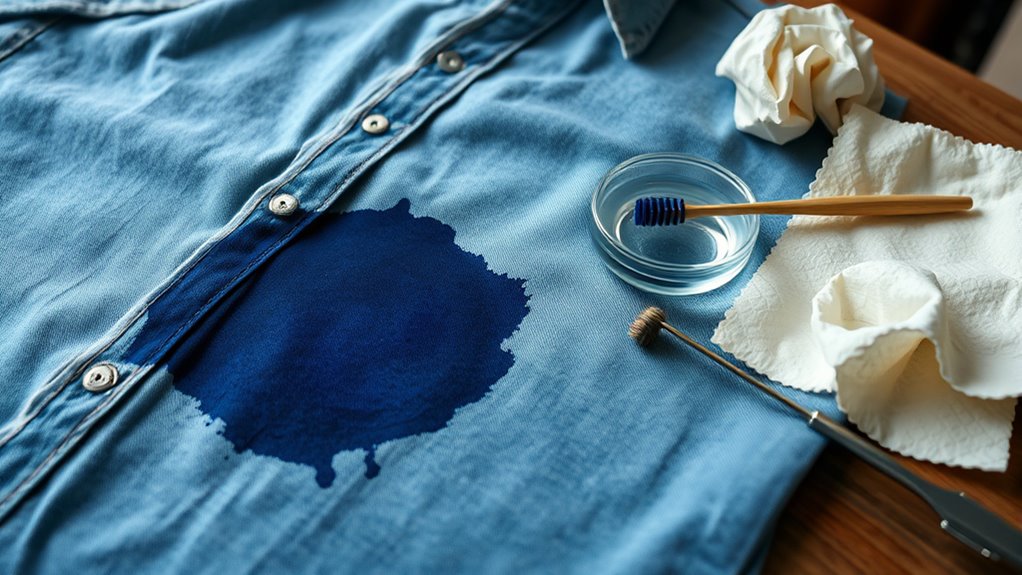
  • How to Get Ink Stains Out of Clothes After Drying

    How to Get Ink Stains Out of Clothes After Drying

    If your clothes have dried with ink stains, don’t panic. You can still tackle them. Avoid heat because it sets ink deeper.

    Start by applying rubbing alcohol or hand sanitizer to break down the ink pigments. Let it sit for 5–10 minutes before blotting and rinsing with cold water.

    For stubborn stains, try natural remedies like vinegar and cornstarch paste or specialized cleaners. Using these methods carefully can restore your fabric, and exploring more tips can help you master ink stain removal.

    Why Ink Stains Set and How to Remove Them

    heat permanently bonds ink

    Because heat causes ink molecules to bond firmly with fabric fibers, ink stains set quickly when exposed to drying or ironing. When you use a permanent marker, the ink’s chemical makeup makes it especially vulnerable to setting once heat is applied.

    Heat causes ink to bond with fabric, setting stains quickly—especially with permanent markers.

    If you dry or iron a stained garment, the heat causes the ink to bond more deeply with the fabric, making the stain permanent or much harder to remove. You want to avoid any heat exposure until you’ve fully treated the stain.

    Even washing with hot water or putting clothes in the dryer can cause residual ink to set, locking the stain in place. To prevent this, act quickly by treating fresh ink stains before they dry.

    Once the ink sets, your chances of removing the stain decrease dramatically. So, keep heat away and address the stain immediately to stop it from becoming permanent.

    Using Rubbing Alcohol to Remove Ink Stains

    When you spot an ink stain on your clothes, acting quickly is key to preventing it from setting permanently. Rubbing alcohol is a powerful solvent that dissolves ink stains, even those that have dried into the fabric.

    First, test the rubbing alcohol on a hidden fabric area to avoid discoloration. Then, apply it directly to the stain with a cotton ball or cloth and let it sit for 5-10 minutes. Gently blot or rub the area to lift the ink before rinsing with cold water. Repeat if necessary for tough or old stains.

    Step Action Result
    Test Apply on hidden fabric spot Ensure no damage or discoloration
    Apply Dab rubbing alcohol on stain Ink starts dissolving
    Blot & Rinse Gently blot, rinse with cold water Ink lifts from fabric fibers

    Using rubbing alcohol properly can save your clothes from permanent ink stains.

    Applying Hand Sanitizer to Ink Stains

    hand sanitizer removes ink stains

    You can use hand sanitizer to tackle ink stains because its alcohol content helps break down the ink pigments. Just apply a generous amount directly to the stain and gently rub it in. Then, let it sit for a few minutes.

    After that, for the best results, follow up with a hot water wash. If the stain is really stubborn, you might need to repeat the process a couple of times. It’s pretty simple and usually works well!

    Hand Sanitizer Effectiveness

    How exactly does hand sanitizer work on ink stains? Its alcohol content breaks down the ink pigments, making stain removal easier. To get the best results, follow these steps:

    1. Apply a generous amount of hand sanitizer directly onto the ink stains to fully saturate the fabric.
    2. Gently rub the sanitizer into the stain to help dissolve the ink without harming the material.
    3. Let the hand sanitizer sit for a few minutes; this allows it to loosen the ink effectively.
    4. After treatment, rewash your clothes to remove leftover ink and sanitizer for complete stain removal.

    Using hand sanitizer this way can be a quick, effective method to tackle stubborn ink stains after drying.

    Application Techniques

    Although ink stains can be stubborn, applying hand sanitizer correctly boosts your chances of removing them effectively. Start by applying a generous amount of hand sanitizer directly onto the dried ink stain, making sure it fully saturates the area.

    Gently rub the sanitizer into the fabric with your fingers or a soft cloth to help break down the ink particles. Let it sit for at least five minutes to maximize stain removal.

    Afterward, use a clean cloth or paper towel to blot the stain, lifting the ink and sanitizer mixture from the fabric. Finish by running the clothing through a proper wash cycle to remove any remaining ink and sanitizer, ensuring your garment is clean and stain-free.

    Natural Remedies for Ink Stain Removal

    You can easily tackle ink stains naturally by using lemon juice and salt. This combo works really well on white cotton fabrics to lighten water-based ink. It’s pretty simple and uses stuff you probably already have at home.
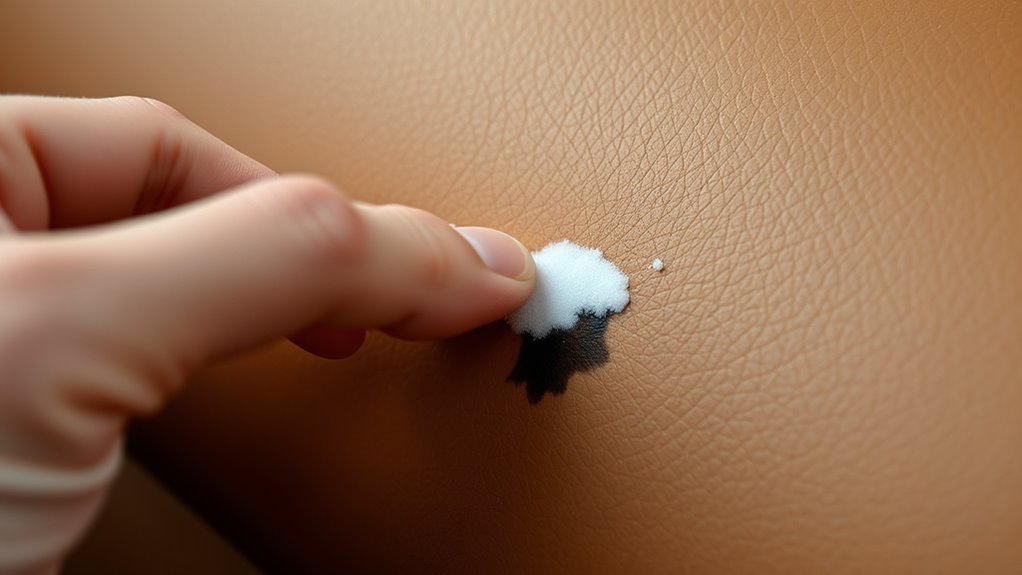
    Another great option is making a paste with vinegar and cornstarch. This helps absorb and lift dried ink right off the fabric. These remedies are not only effective but also gentle alternatives to those harsh chemical cleaners. Give them a try next time you’re dealing with ink stains!

    Lemon Juice And Salt

    When dealing with ink stains on white or light-colored fabrics, lemon juice and salt offer a natural and effective solution. This combination works well for stain removal thanks to lemon juice’s bleaching power and salt’s gentle abrasive effect. Here’s how to use it:

    1. Dampen the stained area with water to prepare the fabric.
    2. Sprinkle salt generously over the stain to create a textured surface.
    3. Apply lemon juice directly on top of the salt, allowing the mixture to work on lifting the ink.
    4. Leave the fabric in sunlight for enhanced natural bleaching, then rinse and repeat if necessary.

    This method is best for water-based ink on cotton or similar fabrics but may not work on permanent ink.

    Vinegar And Cornstarch

    If you want a natural way to tackle ink stains, vinegar and cornstarch make a powerful duo. Start by mixing equal parts vinegar and cornstarch to form a thick paste.

    Apply this paste directly onto the dried ink stain, covering it completely. Let it dry fully, as the vinegar works to break down the ink while the cornstarch absorbs the ink particles, aiding stain removal.

    Once dry, brush off the residue gently. Rinse the treated area with cold water to clear any leftover paste. If the stain persists, repeat the process before laundering the clothing as usual.

    This natural method is effective and easy, offering a safe alternative to harsh chemicals for removing stubborn ink stains from your clothes.

    Removing Ink With Branch Basics Products

    effective ink stain removal

    Although ink stains can be stubborn, Branch Basics products offer an effective way to tackle them. To remove ink stains using their Concentrate or Oxygen Boost, follow these steps:

    Ink stains can be tough, but Branch Basics Concentrate and Oxygen Boost provide a reliable solution.

    1. Apply Branch Basics Concentrate or a mix of Concentrate and Oxygen Boost directly onto the ink stain.
    2. Let it sit for 1 to 10 minutes, then gently agitate the fabric to loosen the ink.
    3. For set-in stains, soak the garment in a solution of Concentrate and Oxygen Boost for 15 minutes to several hours.
    4. Always test on a hidden area first to verify the fabric doesn’t lighten or get damaged.

    After treating the stain, launder the clothing as usual to remove any leftover ink and cleaning agents. This method helps you effectively remove ink stains while protecting your clothes.

    Using Clorox 2™ Safely on Colored Ink Stains

    You’ll want to apply Clorox 2™ directly to the colored ink stain and gently rub it in. Then, let it sit for about 10 minutes. When it’s time to wash, make sure to use the hottest water that’s safe for your fabric, and add a little extra Clorox 2™ to get the best results. Oh, and don’t forget—always test the product on a hidden spot first. That way, you can avoid any damage or lightening.

    Clorox 2™ Application Tips

    When tackling colored ink stains with Clorox 2™, apply the product directly to the stain using the cap for targeted coverage. This guarantees precise stain removal and efficient pretreatment. Follow these tips for best results:

    1. Gently rub Clorox 2 into the stain to help the formula penetrate deeply.
    2. Let it sit for exactly 10 minutes. Set a timer to avoid overexposure.
    3. Keep the area moist; don’t let Clorox 2 dry on the fabric during pretreatment.
    4. Afterward, proceed with washing as recommended to fully remove the stain.

    Using Clorox 2 this way maximizes your chances of lifting colored ink stains without damaging your clothes. Remember, careful application and timing are key for effective stain removal.

    Washing After Pretreatment

    How should you wash your clothes after pretreating ink stains with Clorox 2™? First, make sure you’ve thoroughly pretreat the stain to prevent it from setting further during washing. Use the hottest water safe for your fabric to boost stain removal effectiveness.

    Add an extra dose of Clorox 2™ alongside your regular detergent to enhance cleaning power on colored ink stains. Avoid bleach on delicate fabrics like wool, silk, or spandex to prevent damage or discoloration.

    After washing, air dry the garment instead of using heat. This lets you check if the stain is completely gone without risking it setting permanently. Following these steps guarantees you safely and effectively remove ink stains using Clorox 2™.

    Removing Ink Stains From Different Fabrics

    Since ink stains vary widely depending on the fabric, you’ll need to tailor your approach to effectively remove them. Different fabric fibers react uniquely to stain remover treatments, so here’s how to handle pen ink stains on common materials:

    Ink stains require fabric-specific treatments for effective and safe removal.

    1. Cotton: Pre-treat with rubbing alcohol or hand sanitizer to break down the ink, then launder in cold water. This targets the fabric fibers without damage.
    2. Denim: Spray with alcohol-based hairspray and soak the garment overnight in milk to lift stubborn ink stains gently.
    3. Leather: Use a specialized leather cleaner or a gentle paste of lemon juice and cream of tartar. Avoid soaking to prevent damage.
    4. Silk: Treat carefully with a delicate vinegar and cornstarch solution to avoid harming the delicate fibers.

    For permanent marker ink, nail polish remover or professional cleaning may be necessary, especially if the stain’s dried. Tailor your stain remover choice to protect your fabric and get the best results.

    Washing Clothes After Ink Stain Treatment

    Although you’ve treated the ink stain thoroughly, you need to make sure it looks noticeably lighter before washing your clothes. Check that you’ve managed to remove excess ink by blotting or using a stain remover.

    If any ink remains, pre-treat the area again with a stain remover or an alcohol-based sanitizer to boost your chances of lifting the stain completely. When washing, use the hottest water safe for the fabric, as heat helps break down ink particles, but avoid using the dryer until you’re certain the stain is gone.

    Heat can permanently set the laundry stain, making it much harder to remove later. After washing, opt for air drying or line drying to prevent any leftover ink from setting due to heat.

    Tips to Prevent Ink Stains From Setting

    To stop ink stains from setting, you need to act quickly and treat the spot before it soaks into the fabric fibers. Here are four key tips to prevent ink stains from becoming permanent:

    1. Blot, don’t rub. Gently blot the stain with a clean cloth to avoid spreading the ink or pushing it deeper into the fabric.
    2. Pre-treat immediately. Apply a pre-treatment like rubbing alcohol or hand sanitizer as soon as possible to break down the ink.
    3. Avoid heat. Don’t use hot water or put the stained garment in the dryer until the stain is fully removed, since heat sets ink stains permanently.
    4. Test products first. Always try stain removers on a hidden area to ensure they won’t damage or discolor your fabric.

    Troubleshooting Tough Ink Stains

    If you missed the chance to treat an ink stain right away, don’t worry. Tough, dried stains can still be tackled with the right approach.

    Dried ink stains are harder to remove because the ink has settled deep into the fabric fibers, making it tougher for cleaning agents to work. To remove pen ink effectively, soak the garment in a mixture of oxygen-based bleach or vinegar and water to loosen the ink particles.

    Dried ink penetrates deep into fibers, so soaking in oxygen-based bleach or vinegar helps loosen the stain effectively.

    For stubborn stains, you might need multiple treatments with stronger solutions like OxiClean or specialized stain removers. Avoid applying heat before treating the stain, as heat can set it permanently.

    If the stain persists despite your efforts, consider professional cleaning services that can handle tough ink marks. With patience and the right methods, even the most stubborn dried ink stains can be lifted and your clothes restored.

    Frequently Asked Questions

    Can Ink Stains Damage Fabric Fibers Permanently?

    Yes, ink stains can cause permanent damage to fabric fibers. When ink penetration goes deep, it weakens the material, leading to fiber deterioration over time.

    You might notice permanent discoloration because the dyes in ink chemically bond with the fibers, making it tough to remove the stain completely. So, once ink sets in, you risk both lasting stains and weakened fabric, especially if you don’t treat it promptly and carefully.

    Are Ink Stain Removers Safe for Delicate Fabrics Like Silk?

    You want dye compatibility, gentle stain pre-treatment, and safe removal techniques when dealing with silk. Ink stain removers aren’t always safe for delicate fabrics like silk because harsh chemicals can cause discoloration or weaken fibers.

    You should choose products labeled for silk, test on a hidden spot first, and consider professional cleaning. By prioritizing silk-safe stain removers and careful methods, you protect your garment’s integrity while tackling ink stains effectively.

    How Long Should I Wait Before Treating an Ink Stain?

    You shouldn’t wait long to treat an ink pen stain. Act as soon as possible for the best stain removal results. The quicker you address it, the easier it’ll be to protect your fabric’s integrity and maintain proper fabric care.

    Waiting more than a few hours lets the ink set deeper, making removal tougher. So, grab rubbing alcohol or hand sanitizer and start treating the stain right away to save your clothes.

    Can Professional Dry Cleaning Remove Old Ink Stains Effectively?

    Yes, professional dry cleaning can effectively handle old ink stains using specialized stain removal techniques that protect fabric safety. You should tell your cleaner about the ink type and stain age, so they can choose the best cleaning method.

    Keep in mind, some stubborn inks might need multiple treatments or extra care, but professionals usually improve or eliminate many old ink marks without damaging your clothes.

    Do Ink Stains Pose Any Health Risks During Removal?

    Ink stains can be little villains that sneak in ink toxicity, threatening your health during removal. When you tackle them, you might face skin irritation or fume inhalation if you’re not careful.

    Those harsh chemicals can sting your skin or make breathing tough, like a smoky battlefield. So, always wear gloves and work in a well-ventilated area to keep those invisible dangers at bay while fighting the stain.

    Conclusion

    Ink stains can feel impossible to remove once dried, but you’ve got options. Did you know that 70% of ink stains can be notably lightened with the right treatment? Whether you use rubbing alcohol, hand sanitizer, or natural remedies, acting carefully and quickly makes a huge difference.

    Remember to tailor your approach to the fabric and always wash correctly afterward. With these tips, you can save your clothes and keep ink stains from ruining your day.

  • 10 Steps to Get Ink Stains Out of Jeans

    10 Steps to Get Ink Stains Out of Jeans

    To get ink stains out of your jeans, act fast by blotting the stain gently and rinsing with cold water to prevent setting.

    Use rubbing alcohol or high-alcohol hairspray, dabbing carefully to break down the ink.

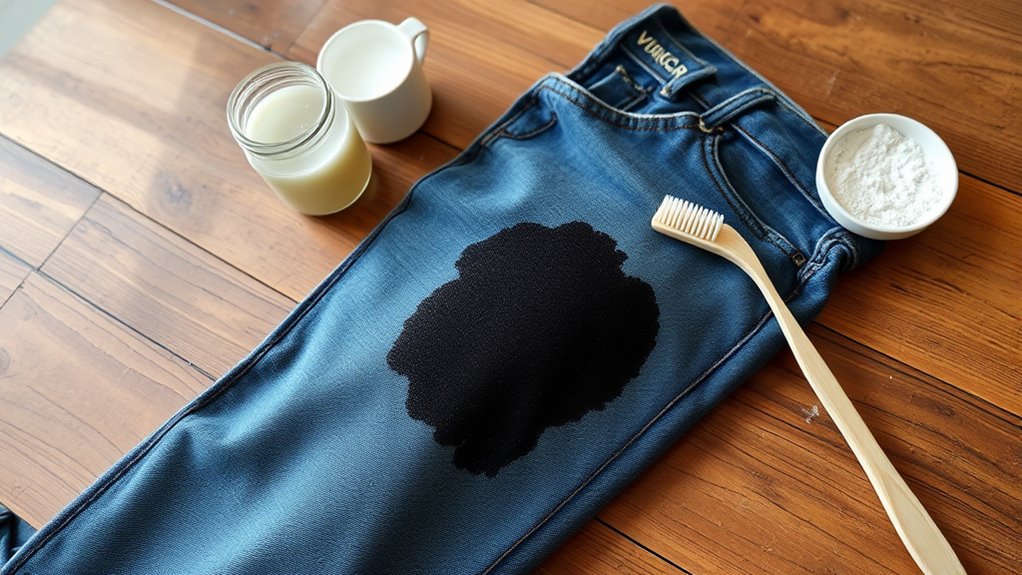
    For stubborn stains, apply a paste of dish soap and baking soda or a vinegar-baking soda mix.

    Rinse, wash in the hottest safe water, and air dry.

    Check carefully before drying to avoid permanent marks.

    Keep going to uncover more helpful tips.

    How To Act Quickly To Prevent Ink Stains From Setting On Jeans

    act quickly to remove ink

    If you catch an ink stain early, you can stop it from setting into your jeans. The key is to act quickly to prevent the stain from becoming permanent.

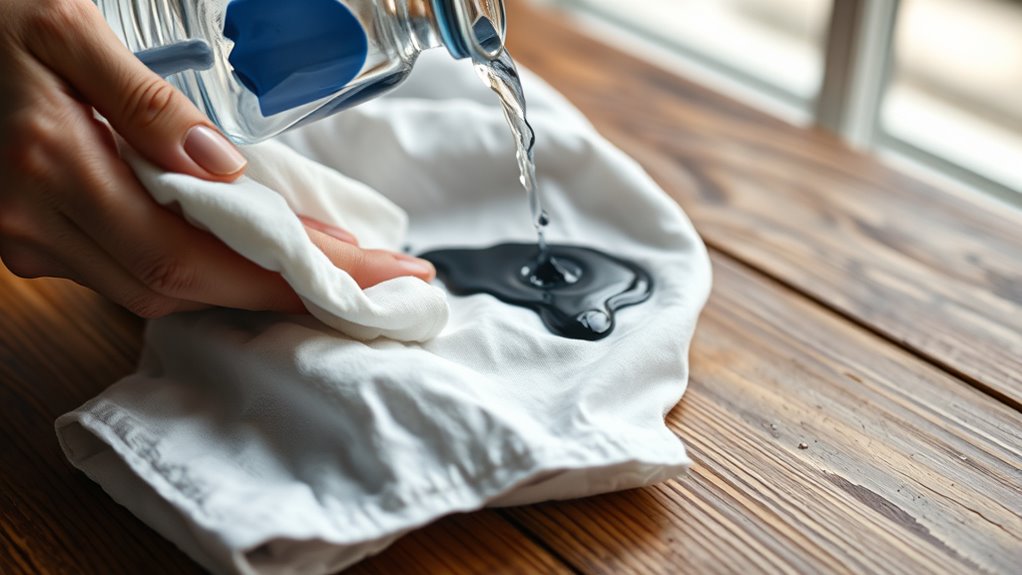
    First, blot the ink gently with a paper towel to absorb as much excess ink as possible without rubbing, which only spreads it. Next, rinse the stained area under cold water to dilute the ink and help prevent setting into the fabric fibers.

    Blot ink gently, then rinse with cold water to prevent spreading and fabric staining.

    Once rinsed, apply a stain remover like rubbing alcohol or hairspray promptly. These products break down the ink’s chemical bonds, making it easier to lift out of the denim.

    Acting swiftly is essential; letting the stain dry or sit even briefly makes removal much harder. By following these steps—blotting to absorb, rinsing with cold water, and using stain remover—you can greatly improve your chances of removing ink stains before they set into your jeans.

    How To Blot And Prep Ink Stains On Jeans For Treatment

    Start by gently blotting the ink stain with a clean paper towel. This helps lift excess ink without spreading it around. Next, place a towel underneath the stained area to catch any leaks. Then, rinse the spot with cold water to dilute the ink. Just a quick tip—never rub the stain, as that can make things worse. Oh, and always test your treatment on a hidden part of the jeans first to make sure it won’t cause any damage.

    Blotting Ink Stains

    When you spot an ink stain on your jeans, gently blot it with a clean paper towel or white cloth to soak up excess ink without spreading it. Quick action is key in ink stain removal, especially with fresh ink.

    Use a clean cloth to absorb as much ink as possible, working from the outer edges toward the center to prevent spreading. Avoid rubbing, since that can push ink deeper into the fabric fibers, making it tougher to treat stains later.

    Place a dry paper towel or cloth underneath the stained area to catch any ink that might bleed through during blotting. This blotting technique helps you control the stain and sets the stage for effective treatment, increasing your chances of removing the ink completely.

    Preparing Jeans For Treatment

    After you’ve carefully blotted the excess ink from your jeans, your next move is to prepare the fabric for treatment. To start, place a clean towel beneath the stain to absorb any ink that bleeds through during stain removal.

    Always rinse the stained area with cold water to dilute the ink before applying any pre-treatment. Remember to avoid rubbing, as this pushes ink deeper into the fabric.

    Before applying any solvent, test the product on an inconspicuous test area to guarantee fabric care and colorfastness.

    Step Action
    Blot Excess Use a paper towel to blot ink
    Prepare Jeans Place towel under stained area
    Test Area Check solvent on hidden fabric

    How To Use Rubbing Alcohol To Remove Ink Stains From Jeans

    rubbing alcohol ink removal

    Although ink stains can seem stubborn, you can effectively lift them from your jeans using rubbing alcohol. Start by dampening a cotton ball or cloth with rubbing alcohol and gently dab the ink stain, working from the outer edges inward. This prevents the stain from spreading.

    Lift stubborn ink stains from jeans by gently dabbing with rubbing alcohol, working from the edges inward.

    Next, hold the fabric taut over a jar or container and drip rubbing alcohol directly onto the stain. This helps break down the ink embedded in the fabric fibers. Let the rubbing alcohol sit for 10 to 15 minutes to allow the stain treatment to work effectively.

    Afterward, rinse the area with cold water. If the ink stain persists, repeat the dabbing and dripping process, making sure to apply the rubbing alcohol evenly. Remember to collect any excess ink residue in your container to keep the area clean and avoid spreading the stain.

    This method efficiently helps remove ink stains from your jeans without damaging the fabric.

    How To Use Hairspray To Remove Ink Stains From Jeans

    If you want to get rid of ink stains using hairspray, the first thing is to pick one that has alcohol in it—that really helps. Go ahead and spray it generously right on the stain. Then, give it a little time to soak in.

    After that, gently blot the area to lift the ink. Be careful not to spread the stain around. Once you’ve done that, rinse the spot with cold water. Finally, just wash your jeans like you normally would to finish cleaning them up.

    Choosing The Right Hairspray

    • High alcohol content for effective ink breakdown
    • Suitable spray nozzle for even application
    • Quick-drying formula to prevent fabric damage
    • Compatibility with denim fabric
    • Availability and ease of use for treatment

    Using the right hairspray sets the stage for successful ink stain treatment. After spraying, remember to rinse your jeans with cold water to remove residue and loosened ink.

    Application Techniques For Ink

    When you notice an ink stain on your jeans, start by spraying a generous amount of high-alcohol-content hairspray directly onto the affected area. Let the hairspray sit for 10-15 minutes to break down the ink particles effectively.

    Next, take a clean cloth and gently blot the ink stain. Avoid rubbing, as this can spread the ink further. After blotting, rinse the treated area with cold water to remove any leftover hairspray and ink residue.

    If the stain remains visible, repeat the process by applying more hairspray, blotting gently, and rinsing again. Staying patient and careful with these application techniques guarantees you lift the ink stain without damaging your jeans, preparing them for the next cleaning steps.

    Post-Treatment Washing Tips

    Once you’ve treated the ink stain with hairspray and gently blotted it, the next step is washing your jeans properly to guarantee the stain is fully removed. Start by rinsing the treated area with cold water to eliminate hairspray and ink residue.

    Then, follow these post-treatment washing tips to protect your jeans and assure effective stain removal:

    • Use a gentle cycle on your washing machine to prevent fabric damage.
    • Wash with a mild detergent formulated for delicate fabrics.
    • Avoid hot water, as it can set the ink stain permanently.
    • Blot any remaining stain gently before washing again to avoid spreading.
    • If the stain persists, repeat the treatment and washing process before drying.

    Proper fabric care is essential to restore your jeans without lingering stains.

    How To Use Dish Soap And Baking Soda Paste On Ink Stains

    If you want to tackle ink stains on your jeans effectively, mixing dish soap and baking soda into a thick paste is a simple and powerful method you can try. Start by combining equal parts dish soap and baking soda with a little water to form a paste.

    Apply the paste directly onto the ink stain, then gently rub it in using a soft brush or toothbrush. This helps break down the ink particles trapped in the fabric fibers. Let the paste sit on the stain for 10-15 minutes to maximize ink stain removal.

    Afterward, rinse the area thoroughly with cold water to wash away the paste and lifted ink. If the stain persists, repeat these steps before washing your jeans as usual. This dish soap and baking soda paste is a handy, effective solution to refresh your jeans and get rid of stubborn ink stains without harsh chemicals.

    How To Remove Permanent Ink Stains With Vinegar And Baking Soda

    vinegar and baking soda

    Building on the effectiveness of dish soap and baking soda, you can tackle tougher permanent ink stains by combining white vinegar with baking soda. This combo creates a powerful paste that helps break down stubborn ink stains on your jeans.

    To remove the ink stain effectively, follow these steps:

    • Mix equal parts white vinegar and baking soda to form a paste.
    • Apply the paste directly to the ink stain on the fabric.
    • Gently scrub the area with a toothbrush or cloth to lift the stain.
    • Let the mixture sit on the stain for 5 to 10 minutes to boost stain removal.
    • Rinse the treated spot thoroughly with cold water to wash away residue.

    If the ink stain persists, just repeat this process before laundering your jeans. Using vinegar and baking soda targets stubborn ink, making it easier to restore your jeans to their original look.

    How To Rinse And Wash Jeans To Remove Ink Stains Safely

    When you’ve treated the ink stain with your chosen method, rinse the area immediately with cold water to dilute the ink and prevent it from setting further. This initial rinse helps stop the stain from embedding deeper into the fabric.

    Next, wash your jeans using the hottest water temperature safe for the fabric, as indicated on the care label. Add a heavy-duty detergent or a stain-specific product to boost stain removal during the wash cycle. This combination targets residual ink particles effectively.

    Wash jeans in the hottest safe water with heavy-duty detergent to effectively remove ink stains.

    Once washed, avoid using the dryer and air dry the jeans instead. Heat from the dryer can permanently fix any remaining ink stain, undoing your efforts. Air drying also lets you inspect the fabric closely for any lingering ink.

    If you still spot ink after washing, repeat the rinse and wash steps before drying to ensure complete stain removal. This careful process helps you protect your jeans while effectively removing ink stains.

    How To Check Jeans For Ink Stains Before Drying

    Before you put your jeans in the dryer, take a close look at the stained area to make sure no ink remains. Proper inspection helps prevent setting any ink residue with heat, which can permanently damage the fabric dye.

    To effectively check for leftover stains, perform a thorough visual check using good lighting and simple tools. Here’s how to inspect your jeans before drying:

    • Blot the stained area gently with a white cloth to detect any remaining ink without spreading it.
    • Use natural or bright artificial lighting to reveal faint ink marks.
    • Hold your jeans against a contrasting background to enhance visibility of any discoloration.
    • Consider using a magnifying glass for a detailed view of the fabric surface.
    • Avoid drying until you’re fully confident that all stain removal steps have succeeded.

    Taking these steps guarantees you won’t lock in ink stains during drying, keeping your jeans looking clean and fresh.

    When To Repeat Ink Removal Steps On Jeans

    If you still see ink stains after washing, it’s a good idea to repeat the treatment before drying your jeans. Check for any discoloration or smudging, and go ahead and reapply your stain remover or rubbing alcohol. Let it sit a bit longer this time. Older stains can be stubborn, so give each treatment enough time to work—sometimes they need a few rounds to come out completely.

    Identifying Persistent Stains

    Although you might have treated the ink stain once, persistent marks often need several rounds of removal to fully disappear. Identifying these stubborn stains is key to knowing when to reapply treatment and repeat the removal process.

    Ink stains that have dried or set deeply into the fabric usually require multiple applications of stain remover or rubbing alcohol. You should check the stain carefully after each wash before drying to avoid permanent setting. If the ink stain remains visible or only lightens, it’s a sign to act again.

    Look for these indicators of persistent ink stains:

    • Ink residue still visible after washing
    • Stains that feel stiff or rough to the touch
    • Color faded but not gone
    • Stains that have dried for a long time
    • Deeply ingrained marks in fabric fibers

    Signs To Reapply Treatment

    Recognizing when to reapply treatment can save your jeans from permanent ink stains. If the stain remains visibly dark or unchanged after washing and drying, it’s a clear sign you need to reapply stain removal steps.

    Be alert for any darkening or spreading of the ink during washing. This indicates the treatment hasn’t fully worked. When the stain is persistent after your initial efforts, repeating the application of alcohol or stain remover helps break down leftover ink fibers.

    Some stains, especially those set deeply into fabric, require multiple treatments for complete removal. Always check the stain before drying; if it’s still visible, don’t skip reprocessing treatment. Promptly addressing these signs ensures you won’t let the stain set permanently, improving your chances of restoring your jeans.

    Timing Between Treatments

    Timing your treatments carefully plays a crucial role in successfully removing ink stains from your jeans. After applying a treatment, let the fabric dry completely before making any assessment. This drying time helps you see if the stain has faded or if repeating the process is necessary.

    For stubborn stains, multiple treatments may be needed, but you should space them out with proper intervals to prevent overexposure that can damage your jeans. Remember these key points:

    • Repeat treatments within 24 hours to improve stain removal chances
    • Wait 12-24 hours between applications for stubborn stains
    • Always allow complete drying before reassessment
    • Avoid overexposure by spacing out treatments with intervals
    • Check the stain carefully after each treatment and act promptly if ink remains

    Following these guidelines guarantees effective and safe ink removal.

    When To Call A Professional To Remove Ink Stains

    If you’ve tried multiple DIY methods and the ink stain still won’t budge, it’s time to call a professional. Persistent or deeply set ink stains often require specialized solutions and advanced techniques that only professional cleaning services can provide.

    Attempting to remove stubborn stains on your own risks fabric damage, especially if your jeans are delicate or high-value items like designer or vintage denim. Professionals use solvent-based treatments and ultrasonic cleaning, methods not safe for home use, ensuring effective removal without harming the fabric.

    When you’re unsure about the fabric’s sensitivity or dealing with particularly tough stains, entrusting your jeans to experts is the safest option. This approach preserves the integrity of your jeans while delivering a thorough clean.

    Don’t gamble with your favorite pair. Professional cleaning is the best choice to restore your jeans and keep them looking their best.

    Frequently Asked Questions

    Can Ink Stains Damage the Fabric of Jeans Permanently?

    Yes, ink stains can permanently damage your jeans’ fabric durability. When ink penetrates deep into denim fibers, it compromises material strength and reduces color fastness, causing discoloration.

    Some inks’ stain resilience means they bond chemically, increasing textile damage risks. If you don’t act carefully, you might weaken the fabric and cause tears.

    Damage prevention requires gentle treatment to maintain your jeans’ integrity and avoid permanent harm.

    Are There Any Natural Alternatives to Commercial Stain Removers?

    You’ll be interested to know that 60% of people now prefer eco friendly options for stain removal. Yes, there are plenty of natural solvents and DIY solutions to tackle ink stains.

    Herbal remedies like lemon juice and baking soda act as organic treatments, while plant based cleaners such as vinegar mixed with baking soda create effective home remedies. Botanical solutions, including coconut oil, offer gentle yet powerful alternatives to commercial stain removers.

    How Long Does It Typically Take for Ink Stains to Set?

    Ink stains typically begin to set within 15 minutes to an hour, depending on ink composition and fabric absorbency. During this drying time, ink penetration deepens, increasing stain depth and visibility.

    As the stain ages, removal becomes more difficult because the ink bonds more firmly with fibers. You’ll find that the longer you wait, the tougher it gets to remove the stain completely. So, acting quickly is key to preventing permanent damage.

    Can Ink Stains Be Removed From Colored Jeans Without Fading?

    Yes, you can remove ink stains from colored jeans without color fading if you act quickly to prevent the stain from setting in. Testing on a hidden spot helps avoid dye transfer and the risk of discoloration.

    Avoid bleach and harsh chemicals, as they can damage the fabric and cause the dye to bleed. Use gentle blotting and stain removers to minimize any issues with fading.

    Prompt treatment reduces the ink’s hold, helping you maintain your jeans’ vibrant color while safely lifting the stain.

    What Should I Do if Ink Stains Get on Other Clothing Items?

    When ink stains land on your clothes, think of it as a battle you need the right armor for. Start with stain testing on a hidden spot to avoid ruining fabric dyes. Avoid bleach alternatives if unsure and skip fabric softeners until stains vanish.

    Use gentle washing techniques and cold water to protect fabrics. For stain prevention next time, treat stains quickly and follow laundry tips carefully to keep your clothes looking fresh and vibrant.

    Conclusion

    Just like a fresh rain can wash away the darkest shadows, your quick action can erase ink stains from your jeans. Treat each spot with care, and watch the stubborn marks fade like morning mist.

    Remember, patience and persistence are your best tools. Sometimes the stain needs a second chance to vanish. If it lingers like a stubborn shadow, don’t hesitate to call in the pros.

    Your jeans will shine bright again, ready for new stories.

  • How to Get Ink Off Leather Purse in 7 Easy Steps

    How to Get Ink Off Leather Purse in 7 Easy Steps

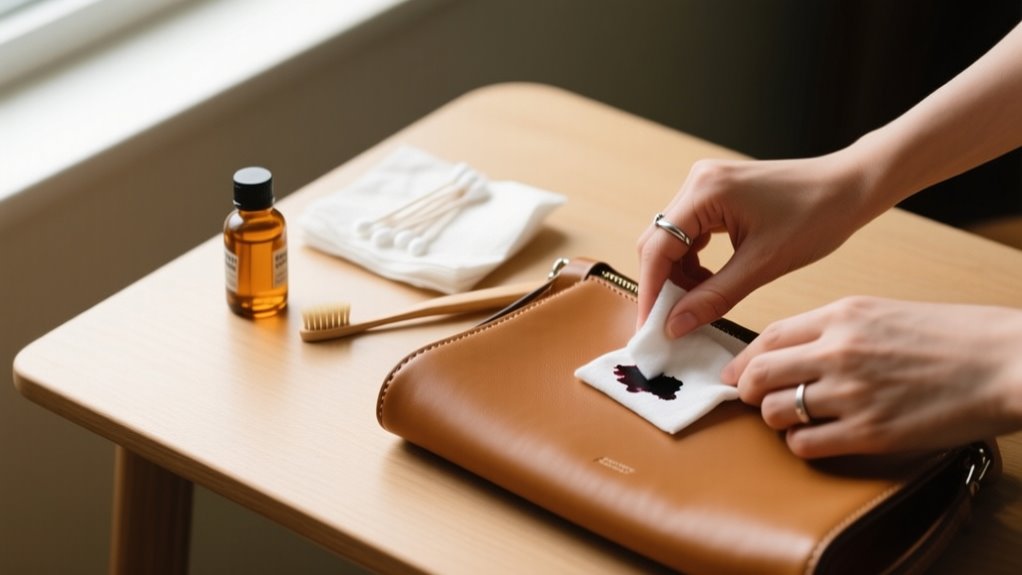
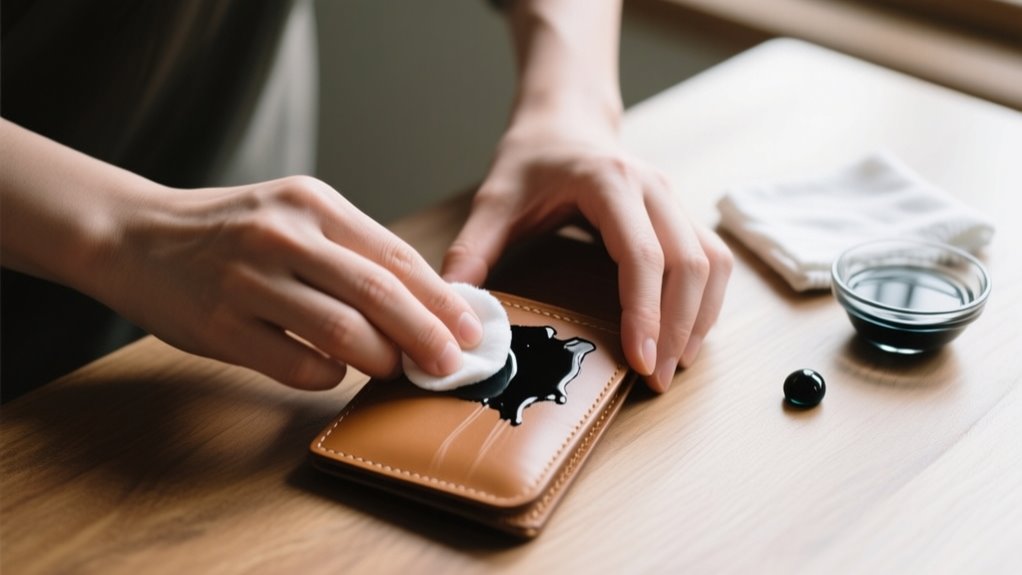
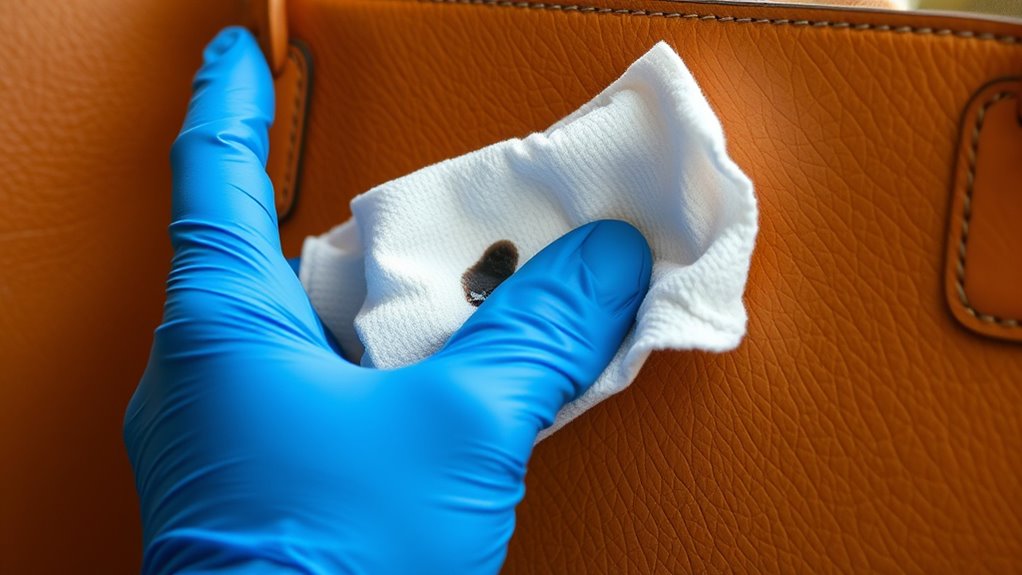
    To get ink off your leather purse, start by blotting fresh ink gently with a dry cloth to prevent spreading.

    Clean with mild soap and water using a soft cloth, then test any stronger solution like rubbing alcohol or vinegar on a hidden spot.

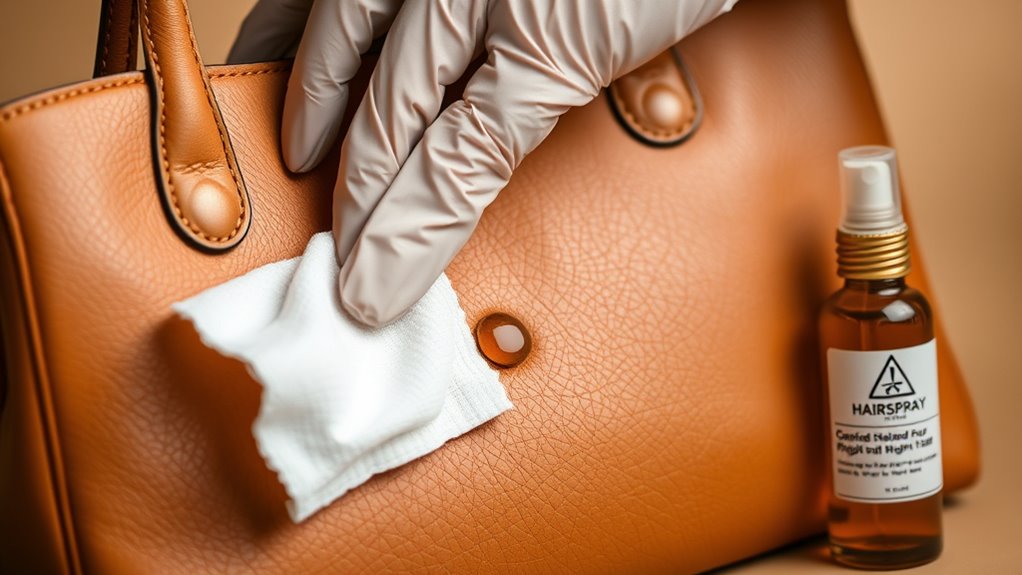
    For stubborn stains, carefully try hairspray or acetone-free nail polish remover, using light dabs.

    Finish by conditioning your leather to restore softness.

    Keep following for more detailed tips to protect your purse effectively.

    Blot Fresh Ink Quickly to Avoid Spreading

    blot ink promptly immediately

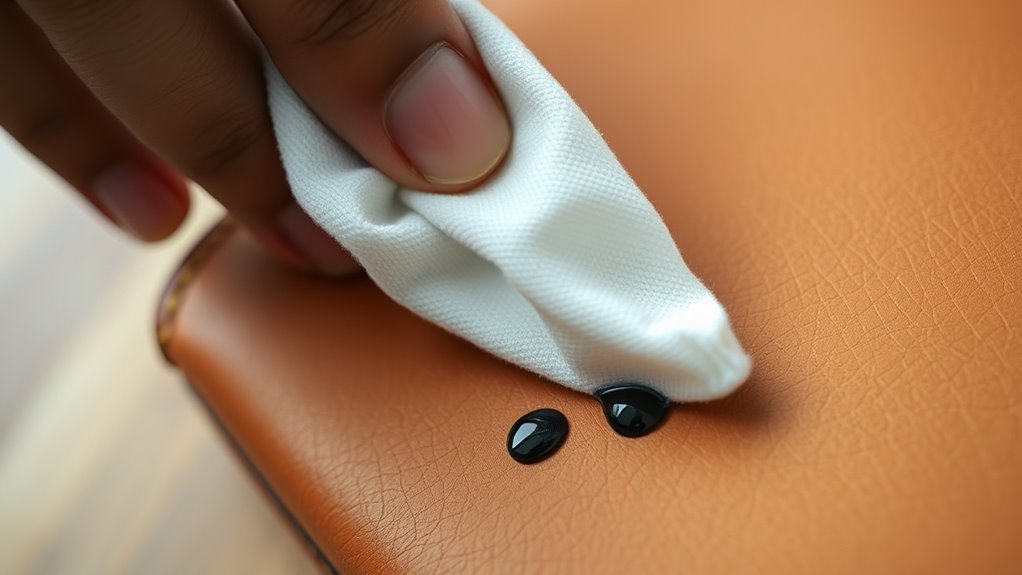
    When you notice fresh ink on your leather purse, blot it immediately with a clean, dry paper towel to soak up as much as possible before it sets. Quick action is essential for effective stain removal.

    Use gentle dabbing motions rather than rubbing, as rubbing can spread the ink further and push it deeper into the leather fibers. You want to prevent spreading the stain while absorbing as much ink as possible with your dry paper towel.

    Avoid applying any cleaning solution or moisture until you’ve blotted the excess ink thoroughly. Gentle dabbing helps lift the ink without damaging the leather surface, preserving its texture and color.

    Use Mild Soap and Water to Gently Lift Ink Stains on Leather

    Start by mixing a small amount of mild soap with warm distilled water to create a gentle cleaning solution. Next, dip a soft cloth into the mixture and wring out the excess. Then, gently wipe the ink stain in circular motions. Just be careful not to soak the leather too much. Also, remember to rinse the cloth often so you don’t end up spreading the ink around.

    Soap Solution Preparation

    If you want to gently lift ink stains from your leather purse, mixing a mild soap like saddle soap or gentle dish soap with distilled water creates an effective cleaning solution. To prepare it, add a small amount of soap to a bowl of distilled water and stir until it’s well combined.

    Next, dip a clean, soft cloth into the soapy water and wring out any excess moisture so the cloth is damp but not soaking wet. This prevents damaging the leather. Use the damp cloth to wipe the ink stain carefully, avoiding harsh scrubbing that might spread the ink or harm the leather.

    Preparing this gentle soap solution correctly sets the foundation for safe and effective ink removal.

    Gentle Cleaning Technique

    With your mild soap solution ready, you can begin gently lifting the ink stain from your leather purse. Dip a clean cloth into the mild soap mixture, wring it out so it’s damp but not soaked, and start to gently wipe the stained area using circular motions.

    Begin from the edges of the ink mark and work inward to prevent spreading the stain. Rinse the cloth frequently in clean water to avoid reapplying ink or dirt. This natural cleaning method acts like a gentle leather cleaner without harsh chemicals.

    After the stain lifts, pat dry the area with a dry cloth and let your purse air dry naturally. This careful process ensures you protect your leather while effectively removing ink with mild soap and water.

    Test Cleaning Methods on a Hidden Spot to Prevent Leather Damage

    test leather cleaning spot

    Before applying any cleaning solution to your leather purse, you should always test it on a hidden spot to avoid damage. This spot test helps you check the cleaning method’s compatibility with the leather and prevents discoloration or stiffness.

    Choose an inconspicuous area, such as the inside lining or underside, to apply a tiny amount of the solution. Wait 5-10 minutes to see if any adverse effects like color changes or texture damage occur.

    Here’s how to properly conduct your spot test:

    • Select a clean, dry, and inconspicuous area on the purse
    • Apply a small amount of your chosen cleaning method
    • Wait and watch for discoloration, stiffness, or other damage
    • Document the test results to confirm safety before treating the ink stain

    This careful approach guarantees you protect your leather purse while effectively removing ink without causing further harm.

    Use Rubbing Alcohol or Vinegar to Lift Stubborn Ink

    You can use rubbing alcohol by dabbing a cotton swab soaked in diluted isopropyl alcohol directly onto the ink stain to help lift it. It works pretty well for stubborn marks.

    If you want something a bit gentler, try mixing equal parts vinegar and water. Then, apply it with a soft cloth to break down the ink pigments without being too harsh.

    Just a quick tip—make sure to test these solutions on a hidden spot first. That way, you can avoid accidentally damaging your leather.

    Alcohol Application Tips

    Although ink stains on leather can be tough to remove, applying rubbing alcohol or a vinegar solution carefully can break down the ink without damaging your purse. Use a cotton swab to dab rubbing alcohol onto the ink stain with a gentle application. Always start with a spot test on an inconspicuous area to check for discoloration or damage.

    Avoid rubbing; instead, dab the leather surface lightly to prevent spreading the ink or harming the leather.

    • Dab small amounts of rubbing alcohol using a cotton swab
    • Perform a spot test before full application
    • Use a gentle, dabbing motion, not rubbing
    • After cleaning, apply leather conditioner to restore moisture and protect the leather surface

    This method guarantees effective ink removal with minimal risk.

    Vinegar Dilution Guide

    How exactly should you prepare vinegar to safely remove ink from your leather purse? Start by diluting white vinegar with an equal part of water, creating a gentle 1:1 solution. This dilution helps protect your leather while tackling ink stains.

    Before applying, always do a patch test on a hidden spot to verify no discoloration occurs. Use a soft cloth or cotton swab to gently blot the ink with the vinegar solution. Avoid rubbing, as it can damage the leather.

    Blot repeatedly until the ink begins to lift. Once the stain fades, wipe the area with a damp cloth dipped in clean water to remove any leftover vinegar and odor. This careful method helps remove ink without harming your leather purse.

    Use Hairspray or Acetone-Free Nail Polish Remover Safely

    safe leather ink removal

    When tackling ink stains on your leather purse, using hairspray or acetone-free nail polish remover can be effective if applied carefully. Both contain alcohol-based products that help lift ink stains, but they can also damage your leather purse if used improperly. Always start with a spot test in a hidden area to protect leather from discoloration or damage.

    Here’s how to ensure a safe stain removal process:

    Spray hairspray evenly on the ink stain, hold the can close, and let it sit for 3-5 minutes before wiping gently. Dab acetone-free nail polish remover gently with a cotton swab, avoiding over-saturation. Use gentle application techniques to prevent harming the leather. Follow up immediately with conditioning to restore moisture and flexibility.

    Try a Magic Eraser for Stubborn Ink Stains (Use as Last Resort)

    If previous methods haven’t removed the ink stain, you can try a Magic Eraser as a last resort. Made from melamine foam, the Magic Eraser can gently lift surface ink on your leather purse but may not work on deeply set marks. Before using it, test the Magic Eraser on a hidden spot to check for discoloration or damage.

    When treating stubborn stains, use light circular motions to avoid the abrasive foam from dulling or removing the leather’s finish. Don’t press too hard—you want to gently rub, not scrape. Keep in mind that the Magic Eraser is best reserved for persistent ink stains that won’t budge with other methods.

    After using it, follow up with proper conditioning to help restore moisture and prevent the leather from drying out. This careful approach helps you safely tackle tough ink without compromising your leather purse’s look.

    Condition Your Leather Purse to Restore Softness and Shine

    Although cleaning removes ink stains, it also strips away the natural oils your leather purse needs to stay soft and supple. To restore softness and shine, you need to recondition leather regularly using a quality leather conditioner. This essential step in purse conditioning replenishes the leather nourishment lost during cleaning, promoting leather preservation and preventing dryness or cracking.

    Follow these tips for an effective conditioning process:

    • Apply a thin, even layer of leather conditioner with a clean, lint-free cloth to avoid build-up.
    • Use conditioners designed specifically for leather to protect against discoloration and damage.
    • Let the conditioner absorb fully for several hours or overnight before using your purse again.
    • Recondition leather after every cleaning to maintain the best leather care and restore its natural shine.

    Frequently Asked Questions

    Can Ink Stains Be Completely Removed From All Leather Types?

    You can’t always completely remove ink stains from all leather types. Colorfast leathers and those with protective coatings or surface treatments often offer better stain resistance, making cleaning agents more effective.

    Leather alternatives and finished leathers with durable leather finishes improve your chances. However, natural, porous leathers absorb ink deeply, limiting removal despite leather maintenance efforts.

    Understanding material durability and leather dyeing helps set realistic expectations for ink stain removal.

    How Long Should I Wait Before Cleaning a Dried Ink Stain?

    You’d think rushing to clean a dried ink stain would help, but actually, waiting 24 to 48 hours is best. This drying time lets the ink fully set, allowing you to tackle ink penetration and leather absorption with care.

    The stain hardness increases as ink drying deepens, so patience beats panic. Remember, stain durability depends on ink consistency and drying environment, while leather aging affects how stubborn that mark becomes.

    Are There Any Homemade Remedies Safe for Ink Removal on Leather?

    Yes, you can use natural solutions and household ingredients as gentle solvents for ink removal on leather. DIY remedies like diluted white vinegar, baking soda paste, or diluted rubbing alcohol work well.

    Always follow safety precautions by performing stain testing on a hidden spot first to avoid damage. These cleaning techniques not only help with stain prevention but also support leather care and maintenance, keeping your purse looking fresh and well-preserved.

    Will Ink Removal Affect the Color or Texture of My Leather Purse?

    Think of your leather purse like a delicate painting: ink removal can sometimes blur the colors or roughen the texture. With proper leather care, including gentle cleaning tools and protective coatings, you can preserve color and maintain texture across different leather varieties.

    Stain longevity and cleaning frequency also matter. Acting quickly helps with stain prevention. If damage occurs, prompt damage repair restores beauty.

    Always prioritize color preservation and texture maintenance to keep your purse looking its best.

    How Often Should I Condition My Leather Purse After Cleaning?

    You should condition your leather purse right after cleaning to restore moisture and help preserve the leather. For regular care, aim to condition it every 3 to 6 months, depending on how often you clean it and the types of stains you encounter.

    Using proper cleaning tools and quality leather conditioning products boosts stain resistance and protects your purse. This routine supports leather maintenance, prevents drying or cracking, and enhances stain prevention. It helps keep your purse soft and supple over time.

    Conclusion

    Now that you’ve tackled that stubborn ink stain like a pro, your leather purse is ready to shine brighter than a million stars! Just remember, acting quickly and testing methods keeps your purse safe and looking fabulous.

    Don’t forget to condition the leather afterward. This step is like giving your purse a spa day. With these simple steps, you’ll never have to stress over ink mishaps again!

  • How to Get Ink Off Fabric in 7 Easy Steps

    How to Get Ink Off Fabric in 7 Easy Steps

    To get ink off fabric in 7 easy steps, start by blotting excess ink with a dry towel.

    Then dilute the stain using cold water.

    Test rubbing alcohol or hand sanitizer on a hidden spot before applying it to the stain.

    Gently rub detergent into the ink, wash following the care label, and air dry to check results.

    If the stain lingers, repeat treatment or try fabric-specific methods.

    Keep going to uncover tips for stubborn stains and delicate fabrics.

    Blot and Dilute Fresh Ink Quickly

    blot dilute act quickly

    If you catch the ink stain fresh, quickly blot it with a clean paper towel or cloth to absorb excess ink without spreading it. Start by placing a dry paper towel under the fabric to protect surfaces from transferring ink.

    Next, dampen another cloth with cold water and gently blot the stain to dilute the fresh ink. This helps weaken the ink’s hold on the fabric fibers, making it easier to lift. Avoid rubbing, as that can push the ink deeper.

    Alternate between blotting with the damp cloth to dilute and a dry cloth to absorb the ink you’ve loosened. Acting fast is crucial; the sooner you dilute and blot, the better your chances of removing the stain completely.

    Try Solvents Safely Before Treating Your Fabric

    After you’ve blotted and diluted the fresh ink, you may need to move on to solvents to tackle stubborn stains. But before applying any solvent, always test solvents on a hidden fabric area. This helps prevent fabric damage and guarantees colorfastness so your fabric won’t lose its original hue.

    Use a cotton swab or cloth to apply a small amount and wait a few minutes to watch for any chemical reaction or color change. Remember, solvent safety is vital. Work in a well-ventilated space and avoid harsh chemicals on delicate fabrics to prevent irreversible harm.

    Step Action Purpose
    1 Choose solvent Select appropriate cleaner
    2 Apply small amount Minimize exposure
    3 Wait 3-5 minutes Observe fabric reaction
    4 Check colorfastness Guarantee no fading or discoloration
    5 Proceed or choose another Decide next step safely

    Apply Rubbing Alcohol or Hand Sanitizer

    use alcohol on stain

    You’ll want to pick either rubbing alcohol or hand sanitizer depending on what you’ve got handy and the type of fabric you’re dealing with. Go ahead and apply it right onto the stain, making sure to soak the area but try not to spread the ink around. Just a quick tip before you get started—always test the product on a hidden spot first to make sure it won’t damage or discolor your fabric.

    Choosing The Right Product

    When tackling ink stains, choosing between rubbing alcohol and hand sanitizer depends on your fabric type and the stain’s severity. Both contain isopropyl alcohol, a powerful stain remover, but their effects can vary.

    To pick the right product, remember to test rubbing alcohol or hand sanitizer on an inconspicuous area of the fabric first. This helps check for discoloration or damage.

    Use rubbing alcohol for tougher stains since it’s more concentrated. For milder fabrics or lighter stains, opt for hand sanitizer with at least 70% alcohol.

    Just avoid hand sanitizers with added moisturizers or fragrances because they can reduce effectiveness.

    Proper Application Technique

    Selecting the right product is just the start; how you apply it makes all the difference in removing ink from fabric. Begin by testing the rubbing alcohol or hand sanitizer on a hidden spot to ensure it won’t damage or discolor your fabric.

    For application, saturate the ink stain thoroughly to keep it moist, which helps break down the pigments. Hold the fabric taut over a container or paper towel to catch ink runoff.

    Then, using a clean, white cloth or cotton pad, gently blot the stain with steady pressure. Avoid rubbing to prevent spreading. Reapply the solvent as needed to maintain moisture, continuing the blotting technique until the ink lifts.

    This careful application ensures effective ink removal without harming your fabric.

    Safety And Testing

    How can you protect your fabric while removing ink stains? Prioritizing safety and testing is key when using rubbing alcohol or hand sanitizer. To avoid discoloration or damage, follow these steps:

    1. Test the alcohol on a hidden fabric area for colorfastness before applying it to the stain.
    2. Use a small amount on a cotton pad to prevent over-saturating the fabric.
    3. Wait a few minutes to observe any discoloration or damage before proceeding.
    4. Avoid applying alcohol on delicate fabrics like silk or suede without professional advice.

    Also, guarantee proper ventilation to reduce inhaling fumes and minimize fire risk. By carefully testing and applying alcohol, you protect your fabric’s integrity while effectively tackling ink stains.

    Apply Detergent and Gently Work Ink Stain

    gently rub cover loosen

    Before rinsing, apply a small amount of liquid detergent directly onto the ink stain and gently rub it in using a soft toothbrush or your fingertips. Make certain the detergent fully covers the ink stain to maximize treatment effectiveness.

    Use light, circular motions to gently rub the detergent into the fabric fibers without harming delicate materials. This careful approach helps break up the ink and improves stain removal.

    Let the detergent sit on the fabric for several minutes to loosen the ink particles. If the stain is stubborn, reapply detergent and gently rub again to guarantee even coverage and thorough treatment.

    This step is essential for penetrating the fabric and preparing the ink stain for rinsing. By treating the stain gently but thoroughly with detergent, you increase your chances of successfully removing ink without damaging your fabric.

    Wash Ink-Stained Fabric According to Care Labels

    When you’re ready to wash your ink-stained fabric, always check the care label to choose the right water temperature and washing method. This step guarantees effective stain removal without damaging your garment. Follow these guidelines:

    1. Set your washing machine to the hottest water temperature safe for the fabric, as indicated on the care label. Hot water helps break down ink stains more effectively.
    2. Use the detergent type recommended on the care label. If allowed, add a stain remover or apply pre-treatment to target the ink before washing.
    3. For delicate fabrics like silk or wool, avoid bleach unless the care label explicitly permits it, since bleach can harm these materials.
    4. After washing, inspect the fabric while it’s still wet to see if the stain is gone before drying.

    Following these steps based on the care label helps you safely and efficiently remove ink stains from your fabric.

    Air Dry and Check If Ink Stain Is Removed

    After you’ve treated the ink stain, go ahead and let your fabric air dry. This helps prevent any leftover ink from setting in with heat. Once it’s dry, take a good look at the area to see if the stain is completely gone. If you still notice some ink, just repeat the cleaning steps before putting it in the dryer.

    Importance Of Air Drying

    Since heat can permanently set ink stains, you’ll want to let your fabric air dry to see if the stain is truly gone. Air drying is essential because it prevents heat from setting any residual ink or cleaning agents into the fabric. This method helps you carefully inspect the fabric to judge the success of stain removal without risking damage.

    Here’s why air drying matters:

    1. It avoids heat, which can make ink stains permanent.
    2. It allows residual ink to fade naturally without fixing it.
    3. It gives you a chance to inspect the fabric thoroughly.
    4. It’s safer for delicate or untreated fabrics prone to heat damage.

    Inspecting Stain Removal

    How do you know if the ink stain is truly gone? After you treat the fabric, always air dry it to prevent heat from setting any residual ink.

    Once dry, inspect the stain carefully in good lighting. Residual ink often becomes more visible after air drying, so it’s important to thoroughly check the stain before moving on.

    Avoid using a dryer until you’re sure the stain is completely removed; heat can make the ink permanent. If you spot any remaining ink, don’t hesitate to repeat the stain removal process.

    Air drying first helps you assess the stain accurately and decide if additional treatment is needed. This careful inspection guarantees you get the best results without damaging your fabric.

    Repeat Treatment or Use Fabric-Specific Methods

    If the ink stain doesn’t come out right away, repeating the treatment can boost your chances of removing it completely. Stubborn ink often needs multiple attempts to lift fully. You’ll want to follow these steps carefully:

    1. Blot with paper towels to absorb excess ink without spreading it.
    2. Rinse with cold water to flush out loosened ink particles.
    3. Apply the appropriate solvent again. Rubbing alcohol or hand sanitizer works well for many fabrics.
    4. Repeat this process until the stain remains faint or disappears.

    For fabric-specific methods, tailor your approach: soak linen in a vinegar solution or stretch spandex tightly over a jar to treat ink more effectively. Delicate fabrics like silk or velvet require gentle blotting and might need professional cleaning rather than repeat treatment. Always check care labels and test any method on a hidden area first to avoid damage. With patience and fabric-specific methods, you can tackle even tough ink stains safely and thoroughly.

    Frequently Asked Questions

    Can Ink Stains Be Removed From Delicate Fabrics Like Silk?

    Yes, you can remove ink stains from delicate fabric like silk, but you need to prioritize fabric safety. Start with gentle cleaning by blotting the silk stain using cold water and a white cloth to prevent spreading.

    Always test any ink removal method on a small area first to avoid damage. Quick action aids stain prevention, but if the ink persists, consider professional help to protect your silk’s texture and color.

    How Long Should I Wait Before Treating an Old Ink Stain?

    Don’t wait longer just because the stain seems stubborn. Treat old ink stains as soon as you can, even if it’s days later. The stain age, dry time, and ink oxidation toughen the stain hardness, making removal harder the longer you delay treatment.

    Fabric absorption means the ink sinks deeper over time. So, minimize treatment delay to improve results. If you must wait, pre-soak the fabric to soften the stain before tackling it.

    Are There Natural Alternatives to Chemical Solvents for Ink Removal?

    Yes, you can use natural remedies for ink removal that avoid harsh chemicals. Try homemade solutions like a paste of vinegar and baking soda or lemon juice with salt for organic stain removal.

    Plant-based solvents such as rubbing alcohol made from ethanol offer eco friendly techniques. Botanical alternatives like natural enzymes from pineapple or papaya also help break down ink.

    These options provide effective, gentle, and environmentally conscious ways to treat ink stains.

    Will Ink Removal Methods Damage Colored or Patterned Fabrics?

    Yes, ink removal methods can damage colored or patterned fabrics if you’re not careful. Aggressive treatments might cause fabric dye to fade or color bleeding, ruining pattern preservation.

    You should test solvents first to avoid stain masking or damaging fabric texture. Since ink penetration varies, gentle blotting helps prevent deeper damage.

    Always handle fabrics delicately to keep colors vibrant and patterns intact while effectively removing ink stains.

    How Can I Prevent Ink Stains From Setting Permanently?

    Did you know 90% of ink stains become permanent if not treated within minutes? For ink stain prevention, act fast by rinsing with cold water and using fabric treatment tips like applying rubbing alcohol.

    Incorporate stain resistance methods and stain barrier techniques in your fabric care routines to safeguard your clothes. Investing in ink proof fabrics also helps minimize damage.

    These steps ensure your fabrics stay fresh and stain-free longer.

    Conclusion

    Getting ink off fabric can feel like chasing a shadow. It’s tricky but not impossible. Just like a marathon runner pacing themselves, you’ll need patience and persistence with each step.

    Remember, a study shows 90% of ink stains respond well to timely treatment. So, don’t rush; follow each step carefully. You’ll soon see your fabric looking fresh again.

    This proves that even stubborn stains can be beaten with the right approach and a little determination.

  • 7 Easy Steps to Get Ink Off Clothing

    7 Easy Steps to Get Ink Off Clothing

    Act quickly to prevent ink from setting by blotting gently with a damp cloth. Avoid rubbing since that just spreads the stain.

    Test cleaning solutions like rubbing alcohol or hand sanitizer on a hidden spot first. Then, apply carefully using cotton swabs.

    Rinse with cold water from the fabric’s back and wash with cold water and detergent. Avoid heat until the stain’s gone to stop it from setting permanently.

    Keep following these tips, and you’ll master effective ink stain removal.

    Act Fast: Why Quick Treatment Makes Ink Removal Easier

    act quickly for stain removal

    Why wait to tackle an ink stain when acting fast can save your clothes? When you act fast, you increase your chances of completely removing ink stains before they set into the fabric.

    Ink quickly bonds with fibers as it dries, making stain removal tougher and often requiring harsher cleaning methods that might damage your clothes. Quick treatment with solvents like rubbing alcohol or hand sanitizer can loosen the ink while it’s still fresh, preventing it from sinking deeper.

    The longer you delay, the more the ink penetrates, reducing how effective your cleanup efforts will be. By addressing ink stains within the first few minutes, you often avoid multiple treatments, saving time and preserving your fabric’s quality.

    Blot and Prep the Stain Without Spreading It

    Before you apply any cleaning solution, gently blot the ink stain with a clean cloth or paper towel to absorb excess ink without spreading it. Avoid rubbing the fabric, as this can push the ink deeper into the fibers, making the stain harder to remove.

    To safeguard other areas, place a paper towel or piece of cardboard behind the stained fabric. Slightly dampen your cloth before blotting; this helps lift the ink without causing it to spread further.

    Always work from the outside of the stain inward to keep the ink contained. By carefully blotting and prepping the stain this way, you’ll prevent the ink from expanding and set the stage for successful removal.

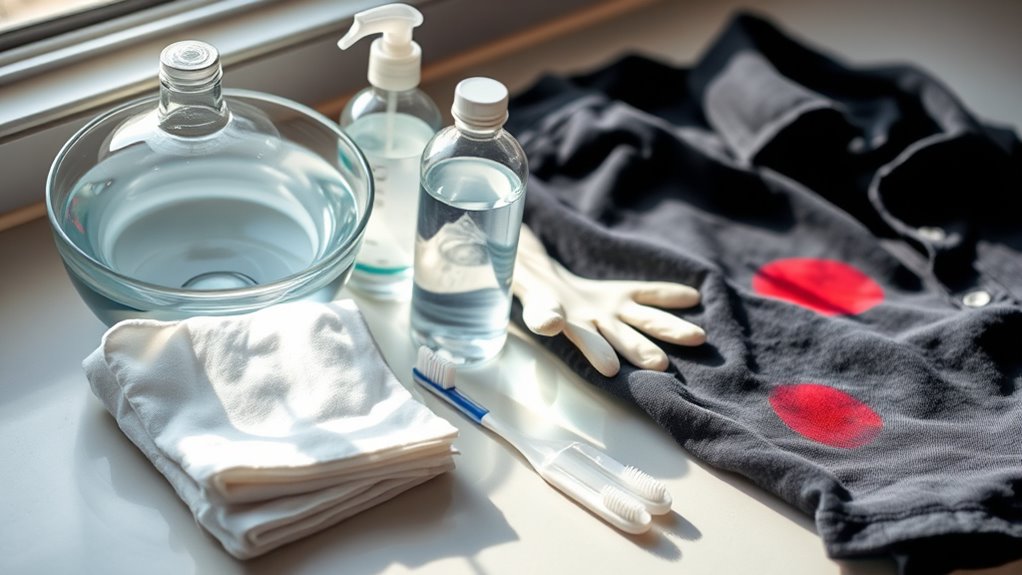
    Gather Supplies for Ink Removal

    gather supplies and protect

    Once you’ve carefully blotted the ink stain, the next step is to gather the right supplies to tackle the removal effectively. Start by grabbing rubbing alcohol, a powerful solvent that breaks down ink, and a stain remover suited for your fabric type to *guarantee* thorough cleaning.

    You’ll also need several cotton balls or swabs to apply the rubbing alcohol without spreading the stain further. Have a clean cloth on hand to gently dab the treated area as you work.

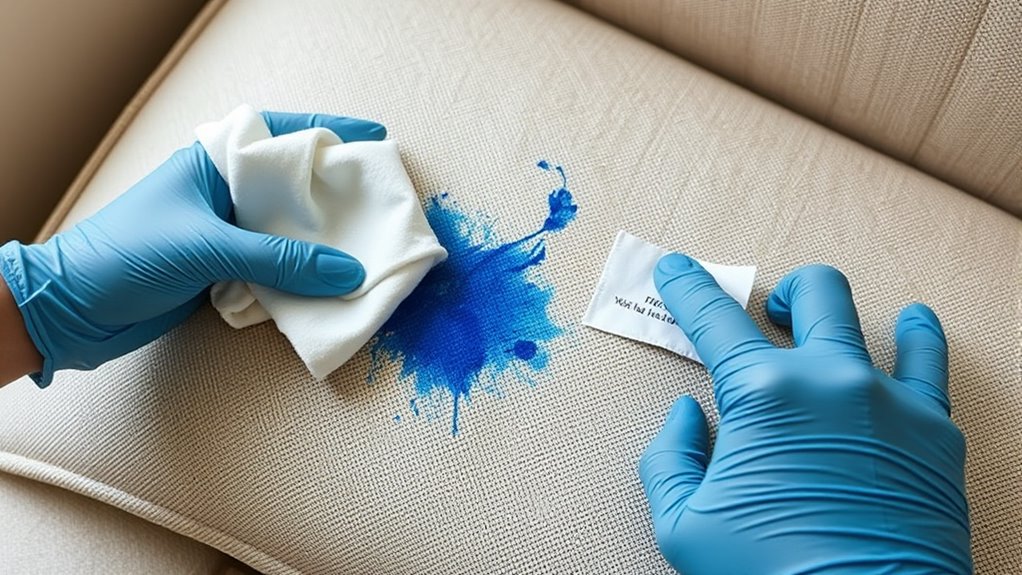
    Prepare a clean workspace to keep everything organized and wear protective gloves to avoid skin contact with harsh chemicals. Keep cold water nearby to rinse the fabric immediately after applying the stain remover, which helps prevent the ink from setting.

    Use Simple Home Remedies to Get Ink Out

    Although ink stains can be stubborn, you can often remove them using simple home remedies like rubbing alcohol, hand sanitizer, or a mixture of vinegar and baking soda. Start by testing your chosen home remedy on a hidden fabric area to avoid damage.

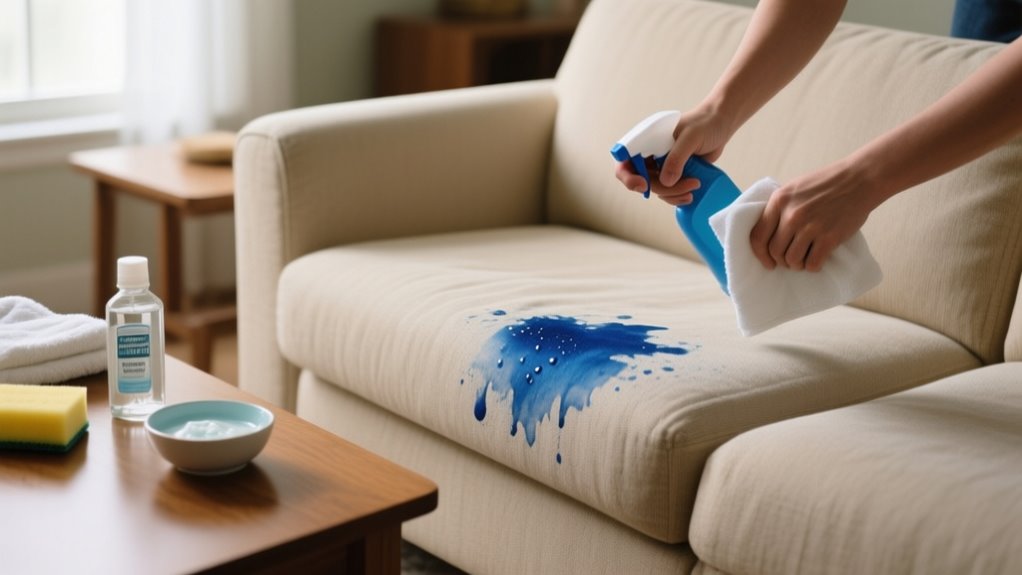
    Apply rubbing alcohol or hand sanitizer directly to the stain, then gently blot with a clean cloth to lift the ink without spreading it. Alternatively, mix vinegar and baking soda or dish soap with water to dissolve the ink.

    You may need to repeat this process several times for the best results. These home remedies break down the ink, making it easier to remove during your laundry routine.

    Rinse and Wash Your Clothes the Right Way to Keep Ink From Setting

    rinse blot treat dry

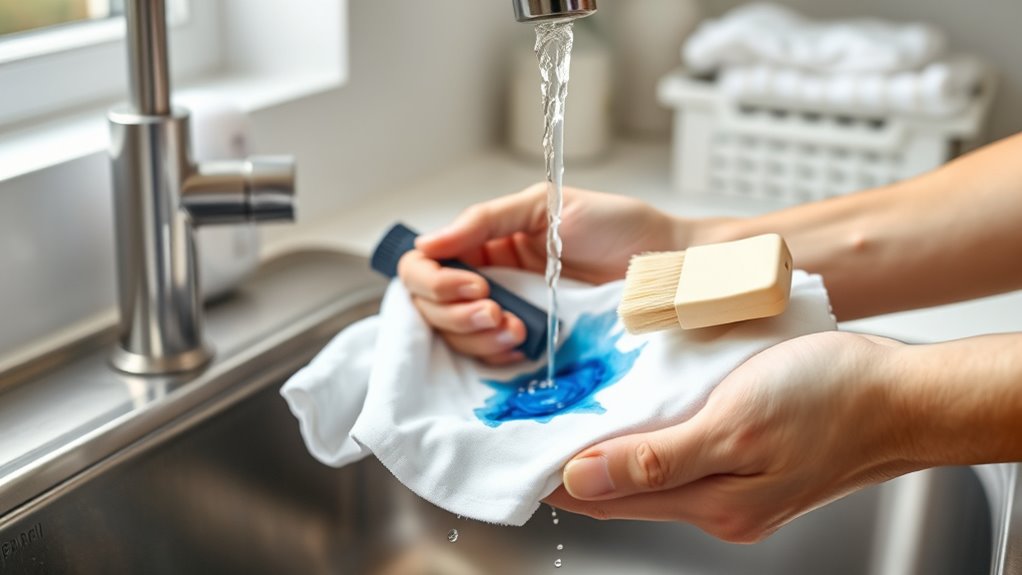
    After treating the ink stain with home remedies, you’ll want to rinse and wash your clothing properly to stop the ink from setting. Start by rinsing the stained area immediately with cold water, holding it from the back of the fabric. This helps dilute the ink and prevents it from spreading.

    Instead of rubbing, gently blot the stain with a clean cloth or paper towel to lift ink particles without making the stain worse. Before washing, apply a stain remover or rubbing alcohol to break down the ink and boost your chances to remove it completely.

    When washing, use cold water and a heavy-duty detergent. Hot water can cause ink stains to set permanently. After washing, check the stain before drying. If the ink remains, repeat the rinse and wash steps.

    Avoid drying the clothing until the stain is fully removed since heat will set the ink and make it much harder to remove later.

    Troubleshooting Stubborn Ink Stains

    If your ink stain won’t budge, don’t give up just yet. You might need to repeat treatments or even try combining methods, like rubbing alcohol and stain remover. It’s worth a shot!

    Also, soaking the fabric longer can really help loosen those stubborn ink stains. Just be careful—avoid using heat because it can set the stain permanently. Oh, and always test stronger solvents on a hidden spot first to make sure your clothes stay safe.

    Persistent Ink Removal

    Tackling persistent ink stains often takes more than one attempt, so you’ll need to treat the area multiple times with stronger solvents like rubbing alcohol or commercial stain removers. For dried ink stains, soak the fabric longer, sometimes several hours or overnight, to help loosen the ink fibers.

    Start by applying alcohol to break down the stubborn ink, then follow with a stain remover to lift the residue. Always test these products on a hidden spot first to avoid damaging the fabric.

    If the stain remains after repeated treatments, you might need to seek professional cleaning or specialized products designed for tough ink removal. Patience and careful application increase your chances of restoring your clothing to its original condition.

    Enhancing Treatment Effectiveness

    Two or three rounds of rubbing alcohol or hand sanitizer can greatly boost your chances of removing stubborn ink stains. If the stain persists, soak the fabric overnight in a stain remover like OxiClean. Avoid using heat before the stain is fully gone, as it can set the ink permanently.

    Gently scrub with a soft-bristled toothbrush to lift embedded ink particles. Combining treatments often works best, but steer clear of harsh chemicals that can damage fabric.

    Step Method Tips
    1 Apply hand sanitizer Multiple rounds improve results
    2 Soak in stain remover Overnight soak enhances removal
    3 Scrub gently Use soft brush, avoid heat

    Protect Fabrics When Removing Ink Stains

    Before you start tackling an ink stain, it’s a good idea to test your chosen solution on a hidden spot first. This way, you can be sure it won’t damage the fabric. When you’re ready to treat the stain, remember to dab gently instead of rubbing. This helps protect the fibers and stops the ink from spreading around. Once you’ve done that, just let the fabric air dry. Avoid using heat because it can set the stain and make it harder to remove later.

    Test Solutions First

    Since ink stains can react unpredictably with cleaning products, you should always test any solution on a hidden part of the fabric first. Apply a small amount of the chemical using a cotton swab, then wait 5-10 minutes to check for discoloration or weakening of the fabric.

    Avoid harsh chemicals like bleach unless tested thoroughly. Recording your test results helps you decide if the solution is safe to use on the entire stain.

    Solution Tested Fabric Type Reaction Observed
    Rubbing alcohol Cotton No discoloration
    Hairspray Polyester Slight fading
    Dish soap Silk Fabric weakening
    Vinegar Denim No adverse reaction
    Acetone Nylon Severe discoloration

    Always test before treating.

    Use Gentle Techniques

    Although tackling ink stains quickly is important, you’ll want to use gentle techniques to protect your fabric’s integrity. Harsh scrubbing or abrasive tools can damage delicate fibers, making the stain worse. Always test a small, hidden area first with a gentle cleaning solution to avoid discoloration.

    When treating the stain, remember to blot gently instead of rubbing to lift the ink without spreading it.

    To protect your fabric, follow these tips:

    • Test cleaning solutions on a concealed spot first
    • Use soft, damp cloths or cotton swabs for application
    • Gently blot the ink stain rather than rubbing
    • Choose mild agents like diluted rubbing alcohol or hand sanitizer
    • Avoid abrasive tools and vigorous scrubbing that harm delicate fabrics

    These gentle steps will help you remove ink while keeping your clothing safe.

    Avoid Heat Setting

    If you want to successfully remove ink stains, you shouldn’t expose your clothing to heat until the stain is completely gone. Heat can cause the ink to bond deeply with fabric fibers, making the stain nearly impossible to remove later.

    Avoid hot water and heat sources like dryers or irons while treating the stain. Instead, use cold or lukewarm water when applying stain removers.

    After treatment, always air dry your clothing or use a low, cool setting to prevent heat from setting any remaining ink. Before using any heat, check the fabric’s care instructions carefully.

    If you’re unsure, consider professional dry clean services to protect your garment. Steering clear of heat keeps your clothes safe and improves your chances of fully removing the ink stain.

    Frequently Asked Questions

    Can Ink Stains Be Removed From Leather or Suede?

    Yes, you can remove ink stains from leather or suede, but you need to be careful. Start with gentle leather cleaning or suede treatment using rubbing alcohol or specialized cleaners. Always test on a small area first to avoid damage.

    For ink pen removal, blot fresh stains quickly and gently wipe with a cleaner. Afterward, apply a leather conditioner to keep the material soft and prevent drying or cracking. If stains persist, consider professional help.

    How Do Ink Removal Methods Vary for Different Fabric Types?

    You’ll want to adjust your fabric treatment based on the material’s dye compatibility and weave. For delicate fabrics like silk, use gentle cleaning techniques with diluted rubbing alcohol to avoid damage, while cotton and polyester can handle stronger solvents. Always test first to prevent discoloration.

    Stain prevention means acting quickly, but remember, synthetic fabrics might resist some treatments, so choose methods carefully to protect your clothes and keep colors intact.

    Are There Any Commercial Products Specifically for Ink Stain Removal?

    When it comes to ink stains, don’t put all your eggs in one basket. Commercial options like OxiClean Max Force and Dr. Beckmann Ink & Marker Stain Remover are specifically designed for stain pre-treatment.

    While DIY remedies and natural solutions can help, these products combine solvents and enzymes to tackle tough ink stains effectively. Just make sure to test on a hidden area first to avoid any fabric damage before you get started.

    Can Ink Stains Be Removed After the Clothing Has Been Dried?

    Yes, you can remove ink stains after drying, but the drying impact makes it tougher. Heat sets the ink, causing deeper ink penetration into fibers, increasing stain persistence.

    You’ll need stronger treatments, like multiple solvent applications or oxygen-based removers, but be careful to avoid fabric damage. Patience and persistence help, though complete removal isn’t guaranteed once drying has set the stain, so act quickly next time to improve your chances.

    How Do You Prevent Ink Stains From Recurring on Clothes?

    To prevent ink stains from recurring on clothes, you should focus on quick stain treatment and avoiding ink smudges. Use stain resistant fabrics or apply a clear topcoat to create a barrier.

    Always blot ink marks immediately to stop them from setting. Store pens properly and choose washable markers for less risk. By acting fast and keeping fabrics protected, you’ll minimize the chance of ink stains coming back or spreading.

    Conclusion

    Act quickly, like a firefighter dousing a small flame before it spreads, to tackle ink stains effectively. By blotting carefully, using common household remedies, and washing properly, you’ll keep your clothes looking fresh.

    Remember to protect delicate fabrics as you work, and don’t get discouraged by stubborn stains. They can often be removed with a little extra care. With these simple steps, ink stains won’t stand a chance against your quick action and patience.

  • How to Get Blue Ink Out of a Fabric Couch in 7 Easy Steps

    How to Get Blue Ink Out of a Fabric Couch in 7 Easy Steps

    To get blue ink out of a fabric couch, first check the fabric cleaning code and gather supplies like rubbing alcohol, vinegar, soap, and white cloths.

    Dab fresh ink with rubbing alcohol carefully. Then use a vinegar and soap mix for stubborn stains.

    Test any solution on hidden areas first. You can try alcohol-based hairspray cautiously.

    Repeat cleaning and rinse well to avoid residue, then air dry without heat.

    Follow these steps to restore your couch and keep it looking fresh. You’ll find even more helpful tips ahead.

    Check Fabric Cleaning Code for Blue Ink Stains

    check fabric cleaning codes carefully

    Before you tackle the blue ink stain, check the fabric cleaning code on the underside of your couch cushions. This code guides you on the safest stain removal method.

    If you see a “W,” you can use water-based cleaning solutions safely. An “S” means you should stick to solvent-based cleaners. For an “X,” vacuuming only is recommended, and professional cleaning is your best bet for stubborn stains.

    Always test any cleaning solution on a hidden area first to avoid discoloration or fabric damage. This testing step is vital before you apply anything to the visible stain.

    Make sure to follow the manufacturer’s instructions associated with the fabric cleaning code closely. Ignoring these guidelines could void your sofa’s warranty or worsen the stain.

    Gather Your Cleaning Supplies

    Before you start cleaning, make sure you gather all the essential tools you’ll need. Things like rubbing alcohol, mild detergent, white cloths, and non-acetone nail polish remover are great to have on hand.

    It’s also a good idea to have something that can help you identify the type of ink you’re dealing with since that can make a big difference in choosing the right treatment.

    Once you have everything, organize it all in one spot. This way, you can work smoothly and won’t have to stop and look for supplies in the middle of cleaning.

    Essential Cleaning Tools

    Although tackling blue ink stains on your fabric couch can seem intimidating, gathering the right cleaning supplies makes the process much easier. Start with rubbing alcohol, mild dish soap, and white vinegar to create effective cleaning solutions. Use a clean spray bottle to apply these liquids evenly.

    Always choose white cloths or paper towels to blot the stain, preventing any dye transfer onto your couch. A soft brush, like a toothbrush, helps gently loosen dried ink before treatment.

    Prepare separate containers for water, vinegar solution, and soapy mixture to keep your stain treatment organized and avoid cross-contamination. Having all these essential cleaning tools ready lets you act quickly and efficiently, improving your chances of removing the blue ink without damaging your fabric couch.

    Ink Identification Items

    Once you identify the type of ink and check your couch’s fabric care label, you can gather the right cleaning supplies to tackle the stain effectively. Start with ink identification by determining if you’re dealing with water-based ink or solvent-based ink, as this influences your cleaning solutions.

    The fabric care label will guide you on fabric safety, indicating whether water-based or solvent cleaners are safe to use. Collect rubbing alcohol, white vinegar, mild detergent, and non-acetone nail polish remover if needed.

    Always test your chosen cleaning product on a hidden test area to avoid damage or discoloration. Understanding the stain type and fabric compatibility guarantees a safer, more effective ink removal process.

    Preparing your supplies beforehand streamlines the cleanup and improves your chances of restoring your couch’s fabric.

    Use Rubbing Alcohol to Remove Fresh Blue Ink Stains

    rubbing alcohol ink removal

    If you spot a fresh blue ink stain on your fabric couch, grab some rubbing alcohol with 70-90% isopropyl concentration to tackle it quickly. First, test the rubbing alcohol on a hidden area of the fabric couch to guarantee it won’t cause discoloration.

    For fresh blue ink stains, use 70-90% rubbing alcohol—test first to avoid discoloration.

    Then, apply the alcohol to a clean white cloth and gently dab the fresh stain, blotting from the outside inward. Avoid rubbing, which can spread the ink stain further. Keep blotting with clean sections of the cloth until the ink begins to lift.

    This method dissolves the ink effectively, making it easier to remove ink from the fabric. After the stain lightens, rinse the treated area with water and blot dry with a clean towel to remove any residual ink and rubbing alcohol.

    Acting fast and using rubbing alcohol this way can save your fabric couch from permanent blue ink marks.

    Use Vinegar and Soap for Stubborn Blue Ink Stains

    To tackle those stubborn blue ink stains on your fabric couch, start by mixing a solution of vinegar, dish soap, and water. Once you have your mixture ready, apply it by gently blotting from the outside of the stain toward the center.

    After that, let it sit for about 10 minutes. Be patient with the process, and if needed, go ahead and repeat the steps. Just make sure to always use a clean cloth to avoid spreading the ink around.

    Vinegar Soap Solution

    When stubborn blue ink stains refuse to budge, you can tackle them effectively by combining white vinegar and dish soap. Create a vinegar soap solution by mixing 1 tablespoon of dish soap, 2 teaspoons of white vinegar, and 250ml of water.

    Before applying, test this solution on a hidden area to verify the fabric’s colorfastness. Dip a clean cloth into the mixture and blot the stain gently, working from the outside inward to avoid spreading. Dab carefully, allowing the solution to penetrate the stain.

    After about 10-15 minutes, blot again to lift the ink. If the stain persists, repeat the process using a fresh clean cloth each time to prevent re-depositing the ink. This method is effective for stubborn blue ink on fabric couches.

    Application And Patience

    Applying the vinegar and soap mixture directly onto the blue ink stain helps break down the ink particles, making them easier to remove. For stubborn stains, apply the cleaning solution generously and let it sit for 10 to 30 minutes.

    Always test first on a hidden area to avoid discoloration. After letting the mixture sit, use a clean, damp cloth to blot the stain gently. Never rub, to prevent spreading.

    Patience is key here; repeated treatment might be necessary, especially with dried or deep-set ink. Each application followed by careful blotting gradually lifts the stain.

    Keep repeating this process until the ink fades completely. Remember, consistent application and patience will give you the best results without damaging your fabric couch.

    Try Hairspray to Remove Blue Ink Stains (Use With Caution)

    use hairspray cautiously

    Although hairspray can be a powerful tool for removing blue ink stains from fabric couches, you should use it cautiously to avoid damaging the material. Choose an alcohol-based hairspray and test it first on a hidden spot of your fabric couch. If no discoloration occurs, lightly spray the ink stain.

    Wait about 30 seconds, then blot gently with a clean, damp cloth to remove ink. Avoid over-saturating the fabric to prevent watermarks or damage.

    Here’s a quick guide to using hairspray for stain removal:

    Step Action
    Test first Spray on hidden fabric area
    Apply Lightly spray alcohol-based hairspray
    Wait Let sit for 30 seconds
    Blot Use a clean, damp cloth gently
    Avoid Over-saturating fabric

    This method helps break down ink stain pigments while protecting your fabric couch from harm.

    Repeat Cleaning and Rinse to Avoid Residue

    Since ink stains can be stubborn, you’ll want to repeat the cleaning and rinsing process to guarantee no residue remains on your fabric couch. After your initial treatment, rinse the area with clean water multiple times to prevent any soap or cleaning solution buildup.

    This buildup can attract dirt or cause discoloration if left behind. During rinsing, use blotting motions with a damp cloth to lift away leftover ink particles and cleaning solution from the fabric fibers. Repeating this process helps ensure thorough removal and reduces the chance of faint ink stains embedding further.

    Multiple rinses also minimize streaks or watermarks, helping restore the fabric’s original look. By consistently repeating cleaning and rinsing, you keep your couch free of residue and maintain its fresh, clean appearance. Don’t rush this step. Taking your time with each rinse and blot ensures the best results for ink stain removal on your fabric couch.

    Dry and Refresh Fabric Without Heat

    Once you’ve thoroughly rinsed the ink stain, gently blot the area with a dry towel to soak up excess moisture without using heat. Blot with the towel carefully to avoid spreading the stain or damaging the fabric.

    After rinsing, gently blot excess moisture with a dry towel, avoiding heat to protect your fabric.

    Next, let the fabric air dry naturally in a well-ventilated room. Avoid heat sources like direct sunlight or warm hairdryers to prevent color fading and fabric shrinkage.

    Keeping the room well-ventilated helps moisture escape and prevents mold growth or mustiness in your couch. If you want to speed up air drying, use a fan or a hairdryer on a cool setting, maintaining a safe distance from the fabric.

    Once the fabric is completely dry, gently brush velvet or microfiber in one direction to restore fabric texture and maintain its appearance. By following these steps, you’ll dry fabric safely and refresh it without heat, preserving both the look and integrity of your couch.

    Frequently Asked Questions

    Can Blue Ink Stains Be Removed From Leather Couches?

    Yes, you can remove blue ink stains from leather couches, but you need to act fast. Use ink removal tips like blotting gently with isopropyl alcohol or a mild soap solution, testing first on hidden spots.

    Knowing your fabric types and stain identification helps choose the right cleaning tools. Quick response and stain prevention are key.

    Homemade remedies can work, but regular cleaning frequency and conditioning maintain stain resistance and protect your leather’s finish.

    Is It Safe to Use Bleach on Fabric Couch Ink Stains?

    You shouldn’t use bleach on fabric couch ink stains because bleach dangers include fabric damage and color fading. Bleach’s chemical risks can lead to couch deterioration, causing permanent harm to your upholstery’s material safety.

    Always perform spot testing first to check fabric compatibility and avoid colorfastness issues. Instead, choose safer alternatives to protect your couch’s look and longevity without risking uneven discoloration or damage from harsh chemicals.

    How Long Should I Wait Before Cleaning a Dried Ink Stain?

    You should wait at least 24 hours before tackling a dried ink stain to allow proper stain setting time. This delay helps the ink stain drying and oxidation process, reducing smudging during dried ink removal.

    Keep fabric type considerations and stain penetration depth in mind. Some fabrics absorb ink deeper. Watch for stain color change and fabric aging effects, as cleaning delay consequences might make removal harder.

    Waiting helps you treat the stain more effectively without damaging your couch.

    Can Professional Cleaning Guarantee Ink Stain Removal?

    You can’t expect professional cleaning to guarantee ink stain removal every time, but they do boost your chances considerably. Studies show that 70% of ink stains can be effectively treated with expert cleaning techniques using specialized cleaning solutions and stain removal tools.

    Professionals assess fabric type and stain safety before applying stain treatment, drying methods, and stain removal tips tailored to your couch. They also offer advice on stain prevention to protect your fabric long-term.

    What Should I Do if Ink Stain Causes Fabric Discoloration?

    If ink causes fabric discoloration, act quickly to minimize stain penetration and color fading. Consider your couch’s fabric sensitivity before trying any cleaner, as bleaching risks can worsen damage.

    Test solutions on a hidden spot first to check cleaning effectiveness. Avoid scrubbing, which spreads the stain.

    If discoloration persists after stain duration, use fabric repair products or color restoration treatments. When uncertain, hire a professional to prevent permanent damage and restore your couch’s look.

    Conclusion

    Getting blue ink out of your fabric couch doesn’t have to feel like chasing shadows. By checking your fabric’s cleaning code and using gentle household items like rubbing alcohol, vinegar, and even hairspray carefully, you can tackle those pesky stains effectively.

    Remember to rinse thoroughly and let your couch dry naturally to keep it fresh without damage. With patience and these simple steps, your couch will look as good as new, brightening up your space again.

  • How Do You Fill a Fountain Pen With Ink in 10 Easy Steps?

    How Do You Fill a Fountain Pen With Ink in 10 Easy Steps?

    To fill your fountain pen in 10 easy steps, first gather your pen, ink, and a clean cloth in a well-lit space.

    Choose suitable ink and the right filling method, whether cartridge, converter, or piston.

    Remove the cap and unscrew the barrel.

    Insert the cartridge or dip the nib into ink, drawing it up slowly to avoid bubbles.

    Wipe excess ink carefully.

    Reassemble and test the pen for smooth flow.

    Keep following for tips on perfecting your technique.

    Gather Supplies and Prepare Your Workspace

    prepare workspace and supplies

    Where should you begin when filling a fountain pen? First, gather supplies like your fountain pen, ink bottle, and a clean cloth. Having everything ready helps you avoid interruptions and potential messes.

    Next, prepare your workspace by choosing a well-lit, clutter-free area with a stable, flat surface. This setup ensures you handle the pen and ink bottle precisely without risking spills or accidents. Place a clean cloth or paper towel nearby to catch any ink drips during filling.

    Remove the pen cap and have any necessary tools, such as eyedroppers or converters, within reach. By setting up this way, you create an efficient, safe environment that makes the ink-filling process smoother. Taking these simple steps before you start guarantees you protect your workspace and makes filling your fountain pen a straightforward task.

    Choose the Right Ink for Your Fountain Pen

    After setting up your workspace and gathering your fountain pen and tools, the next step is selecting the right ink. Always use ink specifically formulated for fountain pens to guarantee smooth flow and prevent clogging.

    Whether you’re using ink cartridges or prefer ink refilling from a bottle, opt for high-quality brands to protect your pen’s internal components. Check that the ink is fresh and not expired, as old ink can cause inconsistent flow and potential damage.

    Choose ink colors that suit your paper type and writing purpose for the best results. Avoid inks with additives like shimmer or glitter unless your fountain pen is designed to handle them properly, as these can clog the nib or feed.

    Select the Best Filling Method for Your Pen Type

    choose the right filling method

    Because fountain pens come with different filling systems, you’ll need to choose the method that matches your pen type for the best performance. Cartridge pens are the simplest, using pre-filled ink cartridges that snap into place. They offer mess-free refills, ideal for on-the-go use.

    If your pen has a convertor, you can use bottled ink by attaching it to the pen’s feed. This filling mechanism gives you more ink capacity and flexibility. Piston fillers and eyedropper pens require specialized techniques but hold larger ink volumes, perfect if you write extensively.

    Selecting the right filling method guarantees smooth ink flow and helps prevent ink from leaking, protecting both your pen and writing surface. Understanding your pen’s filling mechanism also aids in maintenance and prolongs its lifespan. So, match your choice to your pen type and writing habits to enjoy maximum performance every time you refill.

    Remove the Cap and Unscrew the Barrel

    Start by removing the cap to expose the filling mechanism. Then, carefully unscrew the barrel from the section—usually by turning it counterclockwise. Once you’ve done that, set both parts aside safely while you get ready to fill your pen.

    Removing Pen Components

    How do you begin preparing your fountain pen for filling? First, remove the cap carefully to access the nib and barrel. Next, unscrew the barrel from the section, depending on your pen’s design.

    Keep these components separate to avoid spills and hold the pen securely to prevent dropping. Place all removed parts on a clean surface, ensuring no dirt or ink contamination.

    Action Emotion Felt
    Remove the cap Anticipation
    Unscrew the barrel Confidence
    Set parts aside Preparedness

    Removing these components carefully sets the stage for a smooth, mess-free ink filling. With your pen disassembled, you’re ready for the next step.

    Preparing for Filling

    Why does preparing your fountain pen properly matter? It guarantees a smooth filling process and prevents ink spills or damage. First, remove the cap to expose the nib and feed, so your pen’s ready for filling.

    Next, carefully unscrew or detach the barrel from the section to access the ink reservoir or filling mechanism. Place the pen on a clean, flat surface to avoid stains or accidents.

    Before you fill, check that the nib and feed are clean and free of dried ink, which could block the ink flow. Handle the pen gently to avoid damaging the threads or internal parts during disassembly.

    Taking these steps to prepare your pen will make filling it with ink easier and keep your pen in great condition.

    Insert an Ink Cartridge Properly

    insert cartridge secure wait

    Once you’ve removed the pen cap and unscrewed the barrel, you can access the ink chamber to insert a compatible cartridge. Take your ink cartridge and carefully insert the open end into the pen’s section. Make sure to achieve proper alignment so the cartridge fits snugly without forcing it.

    Applying gentle pressure will puncture the cartridge’s seal, allowing ink to flow smoothly into the feed and nib. After inserting the cartridge, reattach the barrel securely to avoid leaks and guarantee consistent ink flow.

    It’s important to wait about a minute for the ink to travel fully through the feed to the nib before you start writing. This step is vital to fill fountain pens effectively and avoid dry starts or skipping. By following these steps, you’ll have your pen ready with fresh ink, guaranteeing a smooth writing experience every time.

    Fill Your Pen Using a Converter or Piston Mechanism

    Although filling your pen might seem tricky at first, using a converter or piston mechanism is straightforward once you get the hang of it. Start by removing the pen’s barrel and securely inserting the converter or piston mechanism into the section.

    Next, dip the nib and feed into the ink bottle, making sure the breather hole is submerged to avoid air bubbles. Slowly operate the piston or push the converter’s plunger to draw ink into the chamber. Keep the nib submerged and move steadily to ensure a full fill.

    Finally, reassemble your pen, wipe off any excess ink, and wait a few moments for the ink to flow to the nib before writing.

    Step Action
    1 Remove barrel
    2 Insert converter/piston
    3 Dip nib in ink bottle
    4 Operate piston/plunger slowly
    5 Reassemble and wipe excess

    Dip the Nib Correctly to Avoid Air Bubbles

    When you dip the nib into the ink, make sure to cover just the vent hole without submerging the entire nib to prevent air from entering the feed. Hold the pen at a slight angle as you dip to guarantee a smooth, controlled immersion that avoids trapping air around the nib and feed.

    Avoid quick or deep dips because these can flood the feed and cause air bubbles to form. After dipping, gently twist or tap the pen to help dislodge any air bubbles that might be trapped.

    When removing the nib from the ink, do it slowly to minimize air entrapment and let excess ink flow off naturally. This careful dipping technique helps maintain a clean ink flow and prevents the formation of air bubbles, assuring your fountain pen writes smoothly every time you use it.

    Release Air Bubbles Slowly for Smooth Ink Flow

    After carefully dipping the nib to prevent air bubbles, you’ll want to focus on releasing any that remain inside the pen. To guarantee smooth ink flow, gently adjust the piston or lever to release air gradually.

    Gently adjust the piston to release trapped air and ensure smooth, uninterrupted ink flow.

    This slow release helps trapped air escape without causing ink splatters or introducing bubbles that interrupt writing. Hold the pen upright during this process to minimize ink leakage and maintain proper vacuum pressure within the chamber.

    Patience here is key. By easing the piston gradually, you allow air bubbles to escape steadily, preventing ink starvation and ensuring consistent ink delivery.

    Taking your time to release air correctly results in a smooth, uninterrupted ink flow, enhancing your overall writing experience. Remember, rushing this step can cause ink to sputter or flow unevenly.

    Wipe Excess Ink From the Nib and Section

    Once you’ve filled your fountain pen, you’ll want to gently wipe away any excess ink from the nib and section using a soft, lint-free cloth or tissue. This helps prevent smudges and buildup. Carefully wipe around the nib and section, applying light pressure to avoid bending or damaging delicate parts.

    This step removes residual ink that could cause smudging when you write and helps keep the pen clean. Using a soft cloth or absorbent tissue ensures you don’t scratch the nib or section while removing excess ink.

    Regularly wiping your pen after filling also helps prevent clogging by removing leftover ink that can dry and block ink flow. By maintaining a clean nib and section, you guarantee smooth writing and ideal pen performance.

    Taking a moment to wipe off excess ink is a small but essential part of caring for your fountain pen. It keeps the pen reliable and ready for every use.

    Reassemble and Test Your Fountain Pen

    Although it might seem simple, carefully reassembling your fountain pen guarantees all parts fit securely and function properly. Start by aligning the nib, feed, and barrel, making sure each piece clicks or screws into place without forcing. Before you fully reassemble, wipe any excess ink from the nib and feed to prevent ink buildup, which can affect performance.

    Once reassembled, fill the pen with a few drops of ink or from the reservoir to test the ink flow. Gently make a few strokes on paper to confirm the ink flows smoothly and consistently. If you notice uneven ink flow or skipping, slightly disassemble the pen to check for misalignment or trapped air bubbles. Correct any issues, then refill and test again. This careful process ensures your fountain pen writes beautifully every time without interruptions caused by ink buildup or improper assembly.

    Frequently Asked Questions

    How Often Should I Clean My Fountain Pen to Prevent Clogging?

    You should clean your fountain pen every 4 to 8 weeks if you use it regularly to prevent clogging. If you switch ink color variations often or use fast-drying inks, clean it more frequently, about every 2 to 4 weeks.

    Keep ink cartridge compatibility in mind to avoid damage. Follow refill frequency tips and use proper cleaning tool recommendations, like a bulb syringe or pen flush solution, to keep your pen flowing smoothly and ink-free from buildup.

    Can I Mix Different Brands of Fountain Pen Ink Safely?

    You shouldn’t mix different brands of fountain pen ink without caution because ink compatibility varies. Mixing inks can cause color mixing risks, like unexpected hues or ink separation.

    To maintain brand consistency and avoid damage, it’s safer to stick with one brand per refill. If you want to experiment, try ink layering or small tests in a separate container first. This way, you protect your pen and guarantee smooth writing.

    What Should I Do if My Pen Leaks After Filling?

    If your pen leaks after filling, start with leakage troubleshooting by checking your pen maintenance. Make sure all parts are tightened securely and you didn’t overfill it.

    Clean the nib and feed to prevent pressure buildup. Also, confirm ink compatibility since the wrong ink can cause swelling and leaks.

    Finally, review your filling techniques to avoid excess ink and store the pen upright to minimize leakage.

    How Do I Store My Filled Fountain Pen to Avoid Drying Out?

    To avoid ink drying, store your filled fountain pen upright with the nib pointing up. This minimizes ink evaporation and keeps the feed moist.

    Always make sure the cap is tight to create a sealed environment that prevents air exposure. Keep your pen away from extreme temperatures or direct sunlight, since heat speeds up ink evaporation.

    Regularly capping and proper storage help maintain ink quality and prevent clogging.

    Is It Normal for Ink to Take Time to Start Flowing?

    Yes, it’s normal for ink to take a moment to start flowing, for ink flow issues to happen, and for drying time to vary. You’ll notice ink consistency affects how smoothly it moves through the feed, and flow adjustment can help speed things up.

    If the ink doesn’t flow right away, gently priming the nib or ensuring the feed is saturated usually resolves the delay, making your writing experience smoother and more reliable.

    Conclusion

    Filling your fountain pen doesn’t have to be tricky. Just follow these simple steps, and you’re set. Did you know that over 50% of fountain pen users prefer bottled ink over cartridges? It’s a great way to customize your writing experience.

    Once you get the hang of it, refilling becomes quick and satisfying. So, keep your pen ready, enjoy smooth writing, and let your creativity flow with every stroke!

  • How Do You Dispose of Printer Ink Cartridges in 7 Easy Steps?

    How Do You Dispose of Printer Ink Cartridges in 7 Easy Steps?

    To dispose of printer ink cartridges safely, first check if your cartridge is empty or nearly empty using your printer’s display or software.

    Then, remove it carefully, holding by the edges to avoid ink spills.

    Clean any excess ink with a damp cloth and let it dry.

    Locate nearby recycling centers or store drop-off points, or use free mailing labels from manufacturers.

    You can also donate cartridges to schools or charities.

    Follow safety tips to prevent leaks and protect the environment.

    Keep going to uncover more helpful details.

    Check If Your Cartridge Is Empty or Nearly Empty

    check ink level regularly

    Before you dispose of your printer ink cartridge, make sure it’s empty or nearly empty by checking your printer’s display or ink level indicator. You can usually find the ink level through your printer software or on the control panel. This cartridge status lets you know if it’s time to replace the cartridge.

    Even if some ink remains, a cartridge that’s been heavily used might be considered nearly empty. Replacing an empty cartridge promptly helps maintain print quality and prevents potential damage during printer maintenance. Ignoring a low ink indicator can lead to streaky prints or printer malfunctions.

    Remove the Cartridge Carefully From Your Printer

    When you remove the cartridge from your printer, open the cover carefully and lift it gently to avoid damage. Make certain to hold the cartridge by its edges, steering clear of the metal contacts or nozzles. Touching them can affect ink quality and printing performance.

    Use both hands to support the cartridge evenly, preventing it from dropping or cracking during removal. If the cartridge feels stuck, don’t force it. Instead, check your printer’s manual for specific instructions.

    Once you’ve successfully removed the cartridge, place it on a clean, dry surface or inside a protective container to avoid leaks or damage. Handling the cartridge carefully not only preserves its condition but also ensures it’s ready for proper recycling.

    Clean the Cartridge to Prevent Ink Spills

    wipe cartridge with damp cloth

    Before you toss out your printer ink cartridge, make sure to wipe away any extra ink to avoid spills. Just grab a damp, lint-free cloth—something gentle that won’t leave fibers behind.

    It’s also a good idea to wear gloves or have some paper towels handy. This way, you keep your hands and surfaces nice and clean.

    Remove Excess Ink

    Since leftover ink can cause messy spills, you should carefully clean the cartridge before disposal. Start by wearing gloves to avoid staining your skin during the cleaning process. Use a soft, lint-free cloth or paper towel to gently wipe away any excess ink around the cartridge’s nozzle and contact points.

    This simple cleaning step helps reduce the risk of ink spills during handling and transportation, making it safer to recycle or refill the cartridge. Avoid harsh chemicals that might damage the cartridge or affect its print quality. After wiping, let the cartridge dry completely before placing it in a recycling bin or sending it off for reuse.

    Proper drying prevents leaks and keeps the process clean and efficient.

    Use Protective Materials

    After removing excess ink and letting the cartridge dry, protect yourself and your surroundings by using gloves or paper towels while handling it. Taking these safety precautions helps prevent ink stains on your skin and surfaces.

    To guarantee proper disposal and leak prevention, follow these steps:

    1. Clean the cartridge nozzles with a damp cloth to remove residual ink and reduce ink spills.
    2. Make sure the cartridge is completely dry before sealing cartridges in protective packaging.
    3. Place the cartridge inside a plastic bag or its original packaging to contain any potential leaks.

    Using the right packaging materials and sealing cartridges tightly minimizes messes and ensures safe transport. These simple steps help you avoid messes and contribute to responsible printer ink cartridge disposal.

    Find Nearby Recycling Centers or Store Drop-Offs

    When you’re ready to recycle your printer ink cartridges, you can easily find nearby recycling centers or store drop-off locations using online tools like Earth911 or the manufacturer’s website. Just enter your ZIP code with “ink cartridge recycling” to locate local recycling centers that accept used cartridges.

    Major retail stores like Staples, Best Buy, Office Depot, and Walmart offer convenient store drop-offs with designated bins for cartridge disposal. These drop-off locations often accept used cartridges for free and sometimes provide rewards or discounts as incentives.

    Exploring these recycling options helps you recycle ink cartridges responsibly and supports environmental efforts. Some brands even provide prepaid mailing labels or drop-off boxes in local stores, making it easier to participate.

    Use Free Mailing Labels to Mail Back Cartridges

    get free mailing labels

    You can easily get free mailing labels from printer manufacturers’ websites or by signing up for their recycling programs via email. Just package your used cartridges securely, attach the prepaid label, and drop the box in the mail. It’s a simple process that saves you money and makes sure your cartridges get recycled properly.

    How To Get Labels

    Where can you find free mailing labels to send back your used printer ink cartridges? Many recycling programs from manufacturers like HP and Canon offer free shipping labels to simplify cartridge recycling. Here’s how to get them:

    1. Visit the company’s recycling portal or your account dashboard to download mailing labels formatted as PDFs. You can easily print these at home.
    2. Request free shipping labels via email from the manufacturer’s customer support or recycling program.
    3. Check your cartridge packaging. Some include prepaid shipping labels ready for immediate reuse.

    Using these prepaid shipping labels streamlines the return process. It lets you send cartridges cost-free to designated recycling centers. This method not only saves money but also supports eco-friendly disposal through trusted cartridge recycling programs.

    Packaging And Shipping Tips

    Although returning used ink cartridges might seem complicated, using free mailing labels from manufacturers like HP, Canon, and Epson makes packaging and shipping straightforward. Start by placing your used cartridges upright in their original packaging or a sturdy box to prevent leaks during transit.

    Then, seal the box tightly with tape to avoid any spills or damage. Attach the pre-paid mailing label securely on the package, making sure it’s flat and clearly visible to prevent delays.

    Finally, drop off your sealed package at a nearby courier drop-off point or schedule a free pickup if available. By following these packaging and shipping tips with mailing labels, you guarantee your used cartridges arrive safely for recycling without any hassle.

    Since many schools and charities rely on donations to fund their programs, giving them your used ink cartridges can make a real difference. When you donate cartridges, you support recycling programs that reduce electronic waste and help schools or charities raise funds through community initiatives using recycled ink.

    Here’s how to get started:

    1. Check donation procedures. Contact your chosen school or charity to confirm which cartridge types they accept and their drop-off or mailing guidelines.
    2. Gather cartridges. Collect used, empty, or even damaged cartridges. Many programs accept all conditions for recycling or reuse.
    3. Send or drop off. Deliver your cartridges according to the organization’s instructions to guarantee they contribute to their fundraising or recycling goals.

    Follow Safety Tips to Prevent Ink Leaks and Harm

    To prevent ink leaks and potential harm, handle your printer cartridges with care every time you remove or store them. Follow safety tips by using the printer’s recommended handling procedures to avoid damage and ink spills.

    When you encounter ink spills, immediately wear protective clothing like gloves to shield your skin. Clean up the mess with a damp cloth. Proper disposal of contaminated materials is vital to prevent health risks.

    For storage, keep empty or used cartridges upright in a sealed container to minimize the risk of ink leaks. These safety tips not only protect you but also help maintain a clean, safe environment.

    Frequently Asked Questions

    Can I Recycle Ink Cartridges With Regular Household Waste?

    You shouldn’t recycle ink cartridges with regular household waste because proper disposal methods are essential for eco-friendly disposal. Instead, follow recycling guidelines and take advantage of cartridge recycling programs that support ink cartridge reuse.

    These programs minimize environmental impact and promote sustainable printing. By doing so, you contribute to responsible waste management tips, ensuring harmful chemicals don’t contaminate the environment and your printer’s parts get properly recycled.

    How Long Do Ink Cartridges Take to Decompose in Landfills?

    Ink cartridges take up to 1,000 years to fully decompose in landfills, highlighting a slow biodegradation timeline. This lengthy decomposition process increases their landfill impact, contributing to significant environmental hazards.

    When you consider waste management and disposal methods, it’s clear that improper disposal extends the landfill lifespan and worsens your ecological footprint. To reduce this, you should explore recycling options that minimize landfill waste and protect the environment.

    Are There Environmental Benefits to Refilling Cartridges Instead of Recycling?

    Like choosing the Yellow Brick Road to a greener Oz, you’ll find cartridge refilling benefits far outweigh recycling incentives. It’s one of the smartest eco friendly practices, cutting down waste and lowering your environmental impact.

    Can Using Third-Party Cartridges Affect Recycling Options?

    Yes, using third-party cartridges can limit your recycling options due to brand restrictions and compatibility issues. Ink formulation differences and refill quality concerns may affect cartridge longevity, which can lead some recycling programs to reject them.

    Also, warranty implications might arise if your printer’s warranty is voided. However, a cost-effectiveness analysis shows third-party cartridges can save money. Be sure to check if third-party recycling programs accept your cartridges before disposal.

    What Should I Do if My Cartridge Is Damaged or Leaking?

    If you spot cartridge damage, don’t ignore it. Leak prevention starts with careful handling. Wear gloves to avoid ink contact, and seal the cartridge in a plastic bag to contain spillage.

    Assess the damage honestly. Don’t try repair options that risk further mess. Follow safety precautions by cleaning any spills promptly.

    Then, use proper disposal methods like recycling programs. Taking these steps guarantees safe handling and protects your printer and environment.

    Conclusion

    Now that you know how to dispose of your printer ink cartridges responsibly, you’re doing your part to protect the environment. There’s no need to toss them in the trash like it’s the Stone Age.

    By following these simple steps, you’ll keep harmful ink out of landfills and support recycling efforts. Remember, a little care goes a long way, so handle your cartridges safely and help create a cleaner, greener future for everyone.

  • How to Clean Ink Off Leather in 7 Easy Steps

    How to Clean Ink Off Leather in 7 Easy Steps

    You’ll want to act fast by blotting fresh ink with a clean cloth, avoiding rubbing.

    Test cleaning solutions like mild soap and water or diluted rubbing alcohol on a hidden spot first.

    For tough stains, gently dab with vinegar, hairspray, or acetone-free nail polish remover.

    Then carefully use a Magic Eraser if needed.

    Always condition your leather after cleaning to keep it soft and shiny.

    Keep going to explore detailed tips that help protect your leather’s look and feel.

    Act Quickly to Blot Fresh Ink Stains on Leather

    act quickly blot gently

    If you catch an ink stain on your leather, act quickly and blot it immediately with a clean, dry cloth or paper towel. This helps absorb excess ink before it seeps deeper into the leather fibers.

    When blotting fresh ink stains, use gentle pressure to lift the ink without rubbing, which can spread or embed the stain further. Acting quickly is crucial to prevent setting, as ink becomes more difficult to remove once it dries.

    After blotting, dampen a cotton swab slightly with isopropyl alcohol and gently dab the affected area to aid ink removal. This targeted approach helps break down the stain without damaging the leather.

    Prompt cleaning not only improves your chances of successful ink removal but also keeps your leather looking pristine. Remember, the key to effective ink removal is to act fast, blot carefully, and use gentle pressure throughout the process.

    Test Cleaning Solutions on a Hidden Area First

    After blotting fresh ink stains and applying isopropyl alcohol carefully, you’ll want to test any further cleaning solutions on a hidden area first. This step helps prevent unexpected damage and discoloration to your leather. Always apply the cleaning solutions to a small, discreet spot like an interior seam or the underside using a soft cloth or cotton swab. Dilute harsh chemicals to reduce the risk of harm. Then, observe the area for at least 10-15 minutes to catch any negative reaction.

    Always test cleaning solutions on a hidden leather spot to prevent damage and discoloration before full application.

    Keep these tips in mind when you test:

    • Choose a hidden area that’s easy to monitor without affecting the leather’s appearance
    • Use a small amount of solution to avoid soaking the leather
    • Wait patiently to observe any color change or surface damage
    • Document your results to decide if the cleaning solution is safe for wider use

    Testing first guarantees you protect your leather while effectively tackling ink stains.

    Use Mild Soap and Water to Gently Lift Ink Stains

    gentle ink stain removal

    When you need to remove ink stains from leather, using a mild soap and water solution offers a gentle yet effective approach. Start by mixing a small amount of mild soap with warm water to create a gentle cleaning solution.

    Dip a soft, clean cloth into the soapy water and wring it out so it’s only slightly damp. Gently wipe the ink-stained surface, working from the outer edges toward the center to prevent spreading. This method helps lift ink stains without damaging the leather.

    Afterward, use a separate clean, damp cloth to rinse away any soap residue from the leather’s surface. Finally, pat the area dry with a soft towel and let the leather air dry completely before applying any conditioner.

    This careful process allows you to remove ink effectively while preserving the leather’s finish and texture.

    Use Rubbing Alcohol or Vinegar to Remove Tough Ink Stains From Leather

    When you’re using rubbing alcohol or vinegar to get rid of tough ink stains, just remember to dilute the vinegar with water. Also, make sure you’re using the right concentration of alcohol so you don’t accidentally damage your leather.

    Go ahead and apply these solutions gently with a soft cloth. Instead of rubbing, try blotting the stain—that way, you lift the ink without spreading it around.

    And hey, don’t forget to condition your leather afterward. This helps keep it soft and stops it from drying out.

    Dilution Ratios Matter

    Although rubbing alcohol and vinegar are powerful at tackling tough ink stains on leather, you need to dilute them properly to avoid damaging the material. Proper dilution ratios help balance effective ink stain removal with gentle cleaning, ensuring leather preservation.

    For example, mixing vinegar and water 1:1 lifts ink without harming the surface. With rubbing alcohol, using at least 70% isopropyl alcohol diluted slightly (like 80% alcohol with 20% water) prevents over-drying. Always test your solution on a hidden patch to confirm no discoloration occurs.

    Keep these stain removal techniques in mind:

    • Equal parts vinegar and water for gentle cleaning
    • Slight dilution of rubbing alcohol to protect leather
    • Use water to reduce solution strength
    • Test diluted mixtures on inconspicuous leather areas before applying

    Following proper dilution ratios is key to safe, effective leather cleaning.

    Application Techniques Explained

    How exactly do you apply rubbing alcohol or vinegar to remove tough ink stains from leather without causing damage? Start by doing a spot test on a hidden area to make certain the alcohol or vinegar solution won’t discolor your leather surfaces.

    For stain removal, soak a cotton swab in 70-90% rubbing alcohol or a diluted vinegar solution (equal parts white vinegar and water). Gently blot the ink stain using the swab, working from the outside toward the center to prevent spreading.

    Avoid rubbing harshly; this gentle cleaning technique helps lift the ink safely. Once the stain is treated, don’t forget to apply a leather conditioner to restore moisture and maintain suppleness.

    These application techniques guarantee effective ink removal while protecting your leather’s integrity.

    Post-Cleaning Conditioning

    Why is conditioning your leather essential after using rubbing alcohol or vinegar to remove ink stains? These cleaning agents strip natural oils, leaving your leather dry and prone to cracking. Applying a leather conditioner helps restore moisture and maintain flexibility, making sure your leather stays soft and resilient.

    After cleaning, use a soft cloth to evenly distribute the conditioner and let it absorb fully. This step is vital for preserving the longevity of your leather.

    Remember to test the conditioner on a hidden spot first to avoid discoloration.

    Here’s what conditioning does for your leather:

    • Restores essential moisture lost during cleaning
    • Replenishes natural oils for softness
    • Maintains flexibility to prevent cracking
    • Preserves the leather’s clean, fresh appearance

    Use Hairspray or Acetone-Free Nail Polish Remover Sparingly on Ink Stains

    When you spot an ink stain on your leather, you can try using hairspray or acetone-free nail polish remover to lift it gently. Both contain alcohol that helps break down ink stains, but acetone-free nail polish remover is safer for leather since it lacks harsh chemicals that might cause cracking or discoloration.

    Before you start, always do a patch test on a hidden area to prevent damage. Use a soft cloth or cotton swab for gentle application. Dab the stain carefully instead of rubbing it.

    After treating the ink, wipe the area with a damp cloth to remove any residue. Finally, apply a leather conditioner to restore moisture and keep your leather supple. This cleaning method works well when used sparingly and carefully, helping you remove ink stains without harming your leather’s finish or texture.

    Gently Use a Magic Eraser for Stubborn Ink Stains

    use magic eraser carefully

    If you’ve got stubborn ink stains that just won’t come off, a Magic Eraser might be your best friend. It works gently to lift the ink without needing any harsh chemicals.

    Just dampen the eraser a little bit and rub the stain lightly in circular motions. Make sure you test it first on a hidden spot, so you don’t accidentally damage your leather.

    Once you’re done, don’t forget to apply some leather conditioner. This will keep your leather soft and protected for the long haul.

    Magic Eraser Benefits

    Although Magic Erasers are mildly abrasive, you can use them carefully to tackle stubborn ink stains on leather. Their gentle abrasive action lifts light marks without harsh chemicals, making them ideal for quick touch-ups. Before you start, testing an inconspicuous area is essential to avoid abrasion risk or discoloration of the leather finish.

    You’ll appreciate how the Magic Eraser targets ink stains while preserving the leather surface when used properly.

    Benefits include:

    • Effectively removes light ink stains without harsh scrubbing
    • Gently lifts marks using a dampened Magic Eraser in a circular motion
    • Minimizes damage compared to stronger cleaners
    • Helps maintain the leather’s natural look by reducing discoloration risks

    This tool offers a practical way to refresh your leather’s appearance with care.

    Proper Usage Technique

    Since ink stains can be stubborn, you’ll want to gently rub a damp Magic Eraser over the affected area, applying just light pressure to protect the leather’s surface. First, test the Magic Eraser on an inconspicuous area to avoid discoloration or damage to the leather finish.

    Use a gentle, circular motion with the Magic Eraser, limiting passes to prevent erosion of the surface layer. Afterward, wipe the area with a damp cloth and apply a leather conditioner to restore moisture.

    Step Action Purpose
    Test Test inconspicuous area Prevent discoloration
    Apply Gentle pressure, circular motion Protect leather finish
    Finish Limit passes, condition leather Prevent damage, restore softness

    Precautions And Aftercare

    When you tackle stubborn ink stains with a Magic Eraser, you need to be extra careful not to damage the leather’s finish. Always start by testing on an inconspicuous spot to confirm gentle cleaning won’t harm the leather.

    Use light pressure to prevent stripping the protective layer or causing abrasions. After erasing, immediately wipe away any leftover debris and moisture with a clean, dry cloth. Follow up with a leather conditioner to restore moisture and keep the leather soft.

    Keep these precautions and aftercare tips in mind:

    • Test on hidden areas to prevent damage
    • Use gentle, controlled motions
    • Remove any leftover debris promptly
    • Apply leather conditioner for proper leather care

    This routine helps protect your leather and prolong its life.

    Condition Leather After Cleaning to Restore Softness and Shine

    To keep your leather soft and shiny after removing ink, you’ll want to apply a quality leather conditioner. Conditioning leather helps restore softness by replenishing natural oils stripped during cleaning. This guarantees your leather stays supple and vibrant.

    Choose a leather conditioner suited for your leather type to promote proper absorption and effective leather preservation. Before applying, test the conditioner on a small, hidden area to avoid any unwanted changes in color or finish.

    Apply the conditioner evenly, allowing it to moisturize leather thoroughly. This leather treatment not only restores softness but also enhances leather shine, improving overall leather care.

    Regular conditioning, every 3 to 6 months, supports leather maintenance by preventing dryness, cracking, and fading. This protects leather over time.

    After applying, gently buff with a soft cloth to distribute the moisturizer evenly and boost shine. This simple step ensures your leather remains beautiful and well-preserved for years to come.

    Frequently Asked Questions

    Can Ink Stains on Leather Damage Its Color Permanently?

    Yes, ink stains on leather can cause permanent staining and discoloration, especially if the stain penetrates deeply. You risk color fade and long-term damage if you don’t act quickly.

    Harsh cleaning might cause leather dye migration or color alteration, which can lead to bleaching or fading effects. Surface damage from untreated ink often worsens over time. This makes professional help necessary to prevent irreversible color loss or permanent staining on your leather.

    Are There Any Ink Types That Are Impossible to Remove From Leather?

    Yes, you’ll find some ink types impossible to remove from leather, especially oil-based inks. These cause permanent stains because the ink absorbs deeply and penetrates the leather fibers.

    Marker stains and pen ink removal efforts often leave ink residue behind, which can lead to color fading or surface damage. Leather’s stain resistance varies, but once ink settles in, it’s tough to erase. Acting fast improves results, but some stains remain stubbornly permanent.

    How Long Should I Wait Before Applying Conditioner After Cleaning?

    You should wait at least 24 hours before applying leather conditioning after cleaning. Studies show 40% of leather damage happens when moisture gets trapped during leather care.

    Using proper cleaning techniques and stain removal methods, you want the leather completely dry and free of residue. This helps protective treatments and leather dyes absorb better.

    Follow product recommendations and maintenance tips to prevent stains. Using the right cleaning tools ensures effective stain prevention and ideal leather conditioning results.

    Can Professional Leather Cleaning Services Guarantee Ink Stain Removal?

    Professional leather cleaning services can’t guarantee ink stain removal every time, but they do offer a thorough professional assessment to maximize success. They use specialized cleaning tools and tailored cleaning solutions to guarantee damage control and leather preservation.

    Is It Safe to Use Heat to Dry Leather After Cleaning Ink Stains?

    You shouldn’t use heat drying after ink stain removal because it risks leather damage. Heat can evaporate natural oils, causing cracking and brittleness. This harms leather safety.

    Instead, choose gentle drying methods that support leather care and preservation. Proper cleaning techniques include air-drying at room temperature. This helps prevent warping or setting stains improperly.

    Prioritizing stain prevention and avoiding heat guarantees your leather stays flexible and beautiful for years to come.

    Conclusion

    Now that you know how to tackle ink stains on leather, you might wonder if quick action really makes a difference. It does. Blotting fresh ink prevents it from setting and saves you effort later.

    By testing solutions first and using gentle methods, you protect your leather’s finish. So don’t wait. Act fast, clean carefully, and condition your leather to keep it looking its best.

    Give it a try and see how much easier cleanup can be!